Real vehicles you can book
Tap a vehicle to see its photos, floorplan and live prices for your dates.
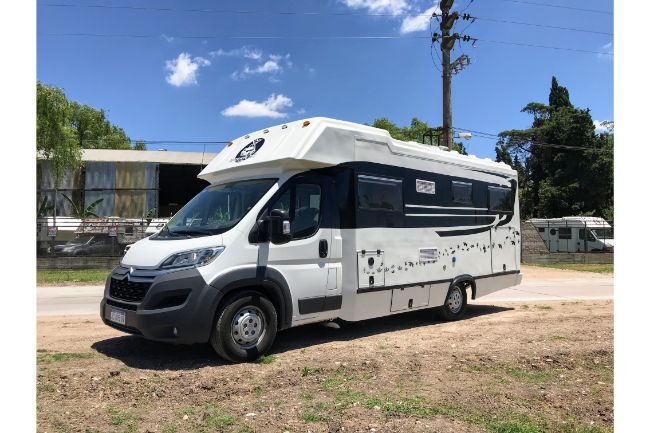
Motor Home Time Argentina · Motorhome · sleeps 5
Aconcagua
Best for: Families & groups
Check dates & prices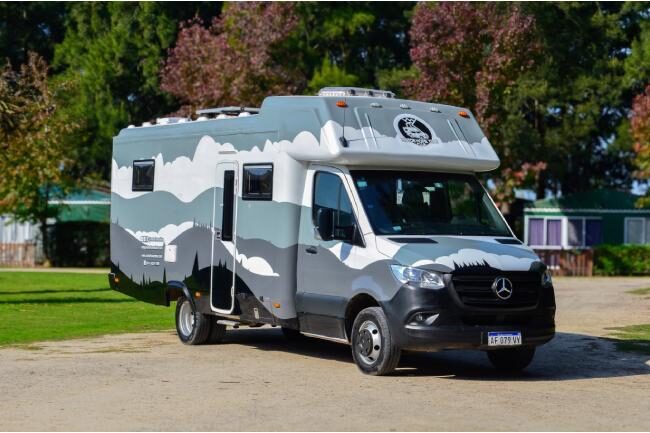
Motor Home Time Argentina · Motorhome · sleeps 6
Aconcagua Evo
Best for: Families & groups
Check dates & prices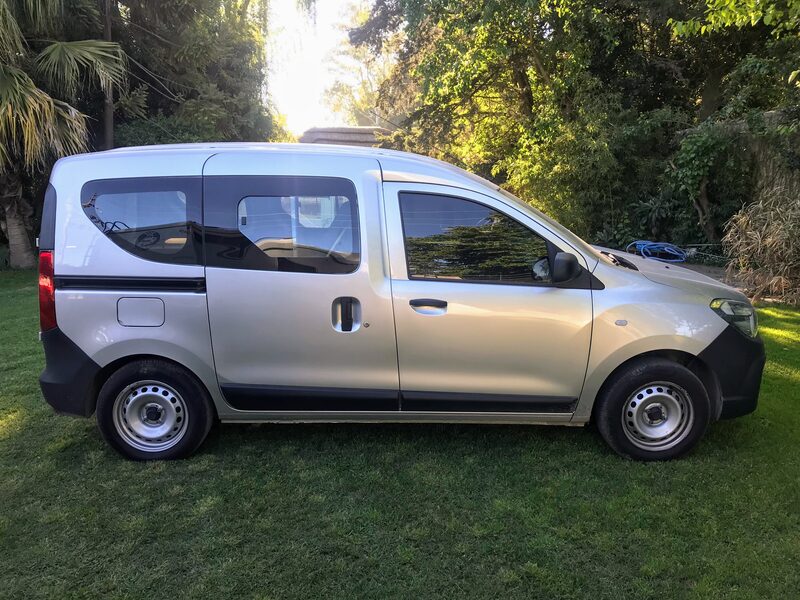
Motor Home Time Argentina · Campervan · sleeps 2
Charito Camping
Best for: Couples
Check dates & prices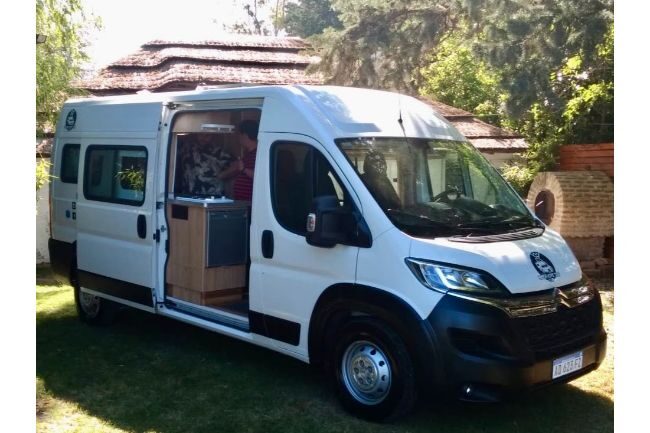
Motor Home Time Argentina · Motorhome · sleeps 3
Pampero
Best for: Small families
Check dates & prices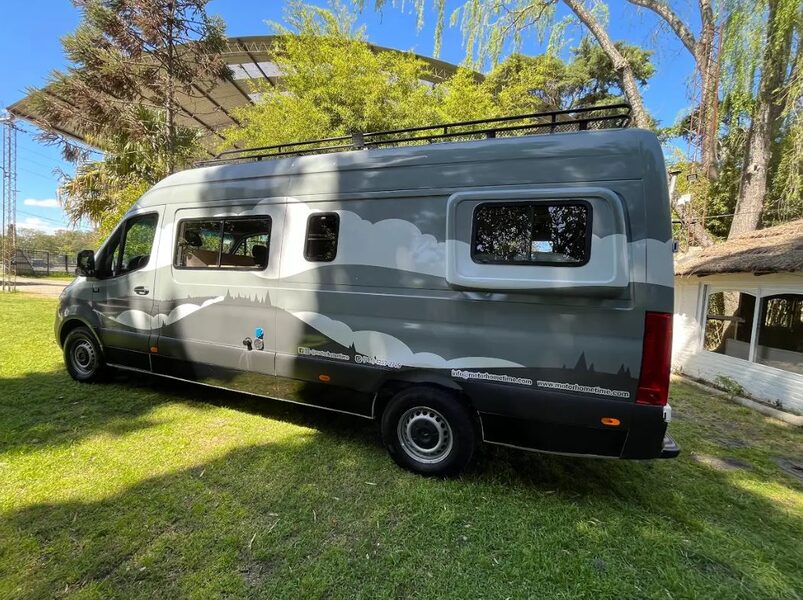
Motor Home Time Argentina · Motorhome · sleeps 4
Pampero EVO
Best for: Small families
Check dates & prices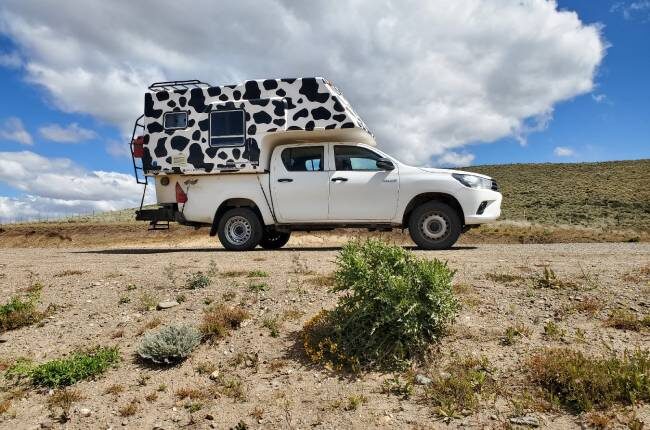
Motor Home Time Argentina · 4x4 camper · sleeps 4
Patagonia Camper 4x4
Best for: Small families
Check dates & prices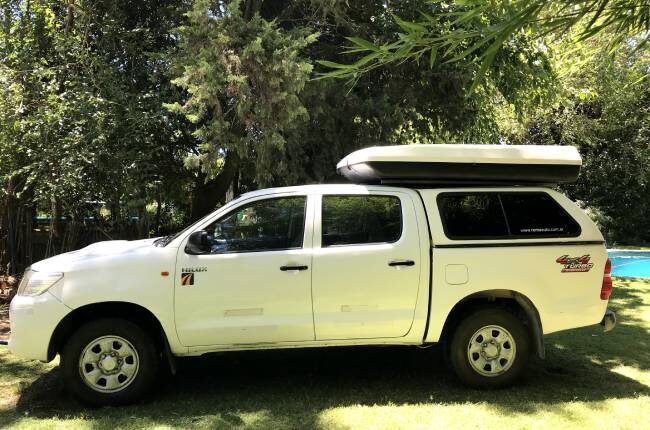
Motor Home Time Argentina · 4x4 camper · sleeps 2
Puma RTT 4X4
Best for: Couples
Check dates & pricesRental companies in Argentina
We only list established fleets with their own vehicles. No peer-to-peer rentals and no paid rankings.
Where to pick up your campervan
Patagonia & Tierra del Fuego
Steppe, granite spires, ancient ice fields and subantarctic forest, reached via El Calafate, Bariloche and Ushuaia.
Cuyo & The Central Andes
Wine country, high Andean peaks and thermal valleys around Mendoza.
Northwest (NOA)
High-altitude puna, canyons, indigenous culture and desert passes out of Salta.
Pampas & Buenos Aires Gateway
The capital and main international airport hub, gateway to the agricultural heartland.
Argentina campervan map: pickups and highlights
Dark blue dots are pickup locations. Tap any other dot to see the nearest pickup and a rough drive time.
Argentina pickup city guides
Top tip
There are six depot hubs: Buenos Aires, Bariloche, El Calafate, Mendoza, Salta and Ushuaia. One-way rentals between distant hubs, like Salta to Mendoza or Bariloche to Ushuaia, are popular but come with hefty drop-off fees. Crossing into Chile? Order your cross-border permit from the supplier at least 15 to 30 days before collection.
Trip cost calculator: fuel and campsites
Pick one of the road trips below or type your own distance to estimate fuel and overnight costs in ARS.
- Plan for (+20% detours)
- 1,380 km
- Fuel (179 litres)
- ARS 224,250
- Campsites
- ARS 187,500
- Fuel + campsites
- ARS 411,750
Road fees: Most remote Patagonian and Andean routes are toll-free, but toll booths around Buenos Aires, Córdoba, and provincial autopistas charge roughly 500 to 2,000 ARS.
Diesel (Gasoil / Ultra Diesel) costs roughly 1,150 to 1,350 ARS per litre. For modern common-rail camper engines, go for the premium low-sulphur Infinia Diesel. Estimates only; rental price, insurance and any mileage charges are shown in your quote.
Why Tour Argentina by Campervan or Motorhome
Argentina is built for big overland trips. It stretches over 3,600 kilometres from subtropical northern borders to subantarctic southern archipelagos, and public transport misses most of the remote scenery in between. A campervan or 4x4 rooftop-tent camper gives you full freedom on long drives, where roadside lodging can be sparse, pricey, or booked out months ahead in peak summer. Boil water for yerba mate beside Patagonian views, cook grass-fed beef over a camp fire, and watch the sunrise over Andean peaks. You can cross into Chilean Patagonia too, linking the Carretera Austral and Torres del Paine with Argentina's Los Glaciares. Wild camping is widely tolerated in rural areas, municipal campsites (campings municipales) are cheap and everywhere, and the YPF service station network makes fuel logistics easy in remote areas.
Which vehicle suits your group?
4x4 Double-Cab Camper (with Rooftop Tent / Pop-up) — For remote unpaved stretches of Ruta 40, gravel passes and the Carretera Austral
- 4WD chassis (usually Toyota Hilux or Ford Ranger) built for unpaved gravel (ripio)
- All-terrain tyres, dual spare wheels and heavy-duty suspension
- Fold-out rooftop tent or slide-on pop-top cabin, with gas cooker and 12V fridge
- A must for high-clearance mountain trails in the Puna and remote Patagonian tracks
2-Berth Van Conversion — For couples touring paved main routes, the Lake District and major national parks
- Compact, based on vans like the Mercedes-Benz Sprinter or Renault Master
- Built-in double bed, kitchenette with dual-burner gas hob and cabin heater
- Fuel-efficient diesel engine, good for long highway days across the Pampas
- Sticks to paved roads and well-graded gravel tracks
4 to 6-Berth Coachbuilt Motorhome — For families or groups who want living space and an onboard bathroom
- Overcab (alcove) layout with permanent double beds and convertible dinette seating
- Enclosed bathroom with cassette toilet, washbasin and hot-water shower
- Large fresh and grey water tanks for off-grid overnight stays
- Needs careful handling on unpaved gravel, and watch for strong Patagonian crosswinds
Best time to travel and weather
Austral Summer (December to February)
- Peak season in Patagonia and Tierra del Fuego, with up to 17 hours of daylight
- Mild days in the south (15°C to 22°C); hot 30°C+ in Mendoza and Buenos Aires
- Patagonia's westerly winds peak now; campsites and ferries run at full capacity
Austral Autumn (March to May)
- Golden autumn colour across Patagonia's southern beech (lenga) forests and Mendoza's vineyards
- Winds drop a lot, so driving is calmer and easier
- Cooler nights with early frosts; high passes start closing by late April or May
Austral Winter (June to August)
- Best season for the Northwest (Salta and Jujuy): dry, clear sunny days and cool nights
- Southern Patagonia gets heavy snow, sub-zero temperatures, frozen pipes and seasonal depot closures
- Ski season around Bariloche and Ushuaia; snow chains are required by law on mountain passes
Austral Spring (September to November)
- Thawing landscapes, Andean wildflowers in bloom, and wildlife returning, including Magellanic penguins
- Shoulder-season prices, quieter national park tracks and pleasant daytime temperatures
- High-altitude meltwater can swell rivers; Patagonian winds start building in October
Classic Argentina road trips

An overland adventure taking in the colossal Perito Moreno Glacier, Fitz Roy hiking trails, and a crossing into Chile to see Torres del Paine.
Day 1: El Calafate Depot Handover & Lake Argentino
Driving: 0h45See: Collect vehicle, stock groceries at La Anónima, walk along Bahía Redonda
Overnight: El Calafate (Camping El Ovejero)
Day 2: Los Glaciares National Park (Perito Moreno)
Driving: 1h30See: Walk the boardwalks overlooking Perito Moreno and take a glacier boat safari
Overnight: El Calafate (Camping El Ovejero)
Day 3: El Calafate to El Chaltén
Driving: 3h00See: Drive paved Ruta 40 and RP23 along Lago Viedma with views of Mount Fitz Roy
Overnight: El Chaltén (Camping El Relincho)
Day 4: El Chaltén Hiking Trails
Driving: 0h00See: Full-day trek to Laguna de los Tres or Laguna Torre; artisan microbreweries
Overnight: El Chaltén (Camping El Relincho)
Day 5: El Chaltén to Esperanza & Cerro Castillo (Chile Border)
Driving: 4h30See: Cross back down Ruta 40, clear border at Paso Río Don Guillermo into Chile
Overnight: Cerro Castillo Campsite (Chile)
Day 6: Torres del Paine National Park Circuit
Driving: 2h00See: Mirador Cuernos, Salto Grande waterfall, and grazing herds of guanacos
Overnight: Camping Pehoé (Torres del Paine)
Day 7: Torres del Paine to Puerto Natales
Driving: 2h00See: Grey Glacier viewpoint, Milodón Cave, and coastal fjord promenade
Overnight: Puerto Natales (Camping Bellavista)
Day 8: Puerto Natales back to El Calafate
Driving: 4h00See: Cross back into Argentina via Paso Río Don Guillermo; return the vehicle at the depot
Overnight: El Calafate
Must-see
Free stops
Before you go
Where to stay overnight
- Wild camping (camping agreste / libre) is widely accepted across rural Argentina, especially along remote sections of Ruta 40, Patagonian lakeshores and provincial gravel tracks. Leave no trace, and don't trespass on fenced private estancias.
- Municipal campsites (campings municipales) are in almost every town. They're cheap and basic, usually with hot showers, parillas (barbecue grills) and drinking water.
- Private campsites (campings organizados) in tourist hubs like Bariloche, El Chaltén and Ushuaia have full amenities: electric hook-ups, Wi-Fi, laundry and heated common rooms.
- APN national parks split camping into three types: 'camping libre' (free, no services), 'camping agreste' (dry toilets, untreated water), and 'camping organizado' (run by a concession, with hot showers and power).
- Open campfires are banned in all Patagonian national parks and woodland reserves, the fire risk is too high. Stick to a gas stove.
- Empty cassette toilets only at municipal RV dump stations or campsite sewer points. Never tip grey or black water into rivers or lakes.
- Park motorhomes and rooftop tents nose-first into the westerly wind. It cuts buffeting and protects pop-top hinges.
Driving rules and road quirks
- Drive on the right. By law, keep your headlights (low beam/luces bajas) on 24 hours a day on all national and provincial highways.
- Radar traps enforce speed limits strictly: 40 km/h on urban streets, 60 km/h on urban avenues, 110 km/h on rural two-lane highways, and 120-130 km/h on multi-lane autopistas.
- Argentina has zero tolerance on drink-driving: 0.00% blood alcohol for all drivers on national routes.
- Many rural routes are gravel (ripio). Drop tyre pressure if the depot advises it, turn off cruise control, and slow to 50-60 km/h to avoid fishtailing and stone damage.
- Patagonian winds can top 100 km/h. Keep both hands on the wheel, slow down, and take extra care passing articulated cattle trucks.
- Don't overtake on gravel while following closely. Dust clouds hide oncoming traffic, and flying stones can shatter your windscreen.
- Fuel stations in Patagonia can be over 300 km apart. Golden rule: never pass a working YPF station without filling up.
- Seatbelts are compulsory for everyone. Children under 10 must sit in the back in an approved child seat.
- You must carry two reflective warning triangles, a certified fire extinguisher (matafuego) within the driver's reach, a first-aid kit, and a reflective safety vest.
- Bring an International Driving Permit (IDP) alongside your valid licence printed in Latin script. You'll need both for rental insurance and police checkpoints.
Typical Campervan Travel Expenses in Argentina
Argentine inflation means ARS prices shift often, but a campervan still saves you a packet on Patagonia's pricey hotels and restaurants.
| Diesel fuel (per litre) | Roughly 1,150 to 1,350 ARS |
|---|---|
| Municipal campsite pitch (per vehicle/night) | Roughly 10,000 to 20,000 ARS |
| Organised private campsite (per person/night) | Roughly 12,000 to 22,000 ARS |
| National Park entry fee (non-resident adult) | Roughly 30,000 to 45,000 ARS |
| Strait of Magellan ferry crossing (one-way camper) | Around 60,000 to 80,000 ARS (pay in CLP, USD or by card) |
| Chile cross-border rental permit & insurance | Roughly 150 to 250 USD (payable to depot) |
Gravel Driving, Fierce Winds, and Border Formalities
Driving Patagonia's highways and Andean tracks calls for a few specific precautions.
- Patagonian gales: winds often top 70 to 90 km/h, with gusts over 120 km/h. Slow down, keep both hands on the wheel, and never open both doors at once.
- Ripio (gravel roads): loose gravel builds up along the centre and edges. Avoid sudden braking or sharp turns; use engine compression to slow down on descents.
- Windscreen damage: stone chips are almost unavoidable on gravel routes. Keep at least 100 metres behind other vehicles, and slow to 40 km/h when oncoming traffic passes on unpaved roads.
- Border hours: Argentina-Chile crossings like Paso Río Don Guillermo and Paso Cardenal Samoré don't run 24 hours. Most open between 08:00 and 19:00, depending on season.
- Livestock and guanacos: guanacos gather in herds by roadside fences and can leap into the road without warning. Keep scanning the verges, especially at twilight.
Day 1: first-timer checklist
- Check the vehicle carefully at handover. Note every gravel chip, windscreen pit, and dent on the damage report sheet.
- Make sure your kit has a high-lift jack, lug wrench, a working spare tyre (two if you've got a 4x4 camper), jumper cables, and a tow rope.
- Check the depot has given you the full paperwork: vehicle registration (cédula verde/azul), third-party Mercosur insurance card, and roadworthiness certificate (RTO/VTV).
- Heading into Chile? Double-check you have the cross-border permit notarised by an Argentine notary (escribano), plus the Chilean RCI insurance sheet.
- Test every appliance with depot staff: gas burner ignition, 12V water pump, Webasto/diesel heater, and electrical hook-up cables.
- Stock up at a big supermarket (La Anónima, Carrefour, or Coto) on mineral water, non-perishable staples, rubbish bags, and tinned goods.
- Withdraw Argentine Pesos (ARS) or change cash. Rural fuel stations often lose internet, so card terminals go down.
- Download offline maps on Google Maps, Maps.me, or iOverlander. Signal disappears minutes after you leave town.
Must-do and must-try in Argentina
Must-Do Highlights
- Watch huge ice blocks crash into Lago Argentino from the face of Perito Moreno Glacier
- Hike beneath the granite spires of Mount Fitz Roy and Cerro Torre from El Chaltén, Argentina's trekking capital
- Drive the Seven Lakes Road (Ruta 40), winding past glacial lakes and volcanic forests
- Cross the white salt crust of Salinas Grandes in Jujuy, over 3,400 metres above sea level
- Reach the end of the Pan-American Highway at Bahía Lapataia in Tierra del Fuego National Park
Must-Try Argentine Flavours
- Asado & Cordero Patagónico: whole lamb, slow-roasted over an open wood fire (al asador)
- Empanadas Salteñas: pastries filled with knife-cut beef, potatoes, spring onions, and cumin
- Locro: a hearty Andean stew of hominy corn, beans, squash, beef, and spicy chorizo
- Dulce de Leche & Alfajores: caramel sauce sandwiched between shortbread cookies
- Torrontés & Malbec: high-altitude white and red wines from Salta and Mendoza
Local Customs & Road Etiquette
- Mate Culture: sharing yerba mate through a metal straw (bombilla) is part of daily life here. Always accept when offered.
- Gendarmería Checkpoints: approach border and provincial police checks at walking pace, headlights dipped, front windows down. Stay polite and patient.
- Flashing Indicators: on two-lane rural roads, a truck's left indicator means don't pass. A right indicator means it's safe to overtake.
- Leave No Trace: wind scatters rubbish across the steppe in seconds. Never leave toilet paper or trash at wild camping spots.
Local apps and emergency numbers
- Emergency Services: dial 911 in major cities, 107 for medical emergencies (SAME), 101 for police, and 100 for fire brigade.
- Gendarmería Nacional: dial 0800-888-8804 for highway patrol and security help on border corridors.
- Vialidad Nacional: official website and hotline (0800-222-6272) for real-time updates on national routes and mountain passes.
- SENASA & SAG Border Controls: Argentina (SENASA) and Chile (SAG) run strict sanitary checks. Fresh fruit, vegetables, raw meat, honey, and untreated seeds get confiscated at the border.
- iOverlander App: a community-run offline app showing wild camping spots, municipal campsites, drinking water taps, and verified diesel pumps.
- Currency & Payments: carry plenty of cash (ARS) for remote fuel stations and campsite fees. Cards work fine in cities, but terminals often drop offline in remote Patagonia.
- Clothing: layer up. Pack windproof, waterproof outer shells, thermal merino base layers, and sturdy hiking boots whatever the season.
- Electrical Plug: Argentina uses Type I (three flat angled pins, same as Australia/NZ) and Type C (European 2-pin round) at 220V, 50Hz.
Official live links
- Vialidad Nacional — Real-time status of Argentine national routes, gravel works, and mountain passes.
- Parques Nacionales Argentina — National park info, online entrance tickets, and seasonal trail rules.
- SENASA Agroalimentaria — Agricultural border rules and prohibited food lists for travel between provinces.
- Servicio Meteorológico Nacional — Weather forecasts, wind warnings, and snow alerts across Argentina.
- Austral Broom Ferries — Timetables and fares for the Strait of Magellan vehicle ferries linking mainland South America to Tierra del Fuego.
Argentina campervan FAQs
Can I cross into Chile and drive the Carretera Austral with my Argentine rental camper?
Yes, but arrange the cross-border permit through your rental company 15 to 30 days before pick-up. They'll prepare a notarised authorisation document and Mercosur/Chile RCI insurance. Without the original paper copies, customs at both borders will turn you back.
What food items can I carry across the Argentina-Chile border?
SENASA (Argentina) and SAG (Chile) run strict agricultural checks. Declare all organic matter. You can't carry fresh fruit, vegetables, raw meat, honey, unpasteurised cheese, or untreated wood and seeds. Packaged, processed, canned, or dried sealed foods are usually fine.
What is the condition of Ruta 40, and do I need a 4x4 camper?
Ruta 40 runs roughly 5,100 km. Most of it's paved now, but some famous stretches stay gravel (ripio), notably between Tres Lagos and Perito Moreno town in Santa Cruz, and through Quebrada de las Flechas in Salta. A standard 2WD campervan can handle graded gravel slowly, but a high-clearance 4x4 is safer, especially after winter rain.
How reliable is fuel availability along remote Patagonian routes?
Fuel stations can be 300 km or more apart across Santa Cruz and Chubut provinces. State-owned YPF stations are the most common, but remote pumps can run dry for hours or days waiting on tanker deliveries. Never pass a station without topping up, no matter how much fuel you've got left.
How do I pay for fuel, campsites, and national park entries in Argentina?
Carry plenty of Argentine Pesos (ARS) in cash. Visa and Mastercard work fine in big towns and national park visitor centres, but card machines in remote villages and petrol stations often fail when satellite links drop out.
How do vehicle ferries work for crossing the Strait of Magellan into Tierra del Fuego?
To reach Tierra del Fuego by road, you'll cross into Chile and take a TABSA vehicle ferry over the Strait of Magellan. The shortest route is Punta Delgada (Primera Angostura) to Bahía Azul. Ferries run every 30 to 45 minutes, first come first served, and you buy your ticket on board.
Is wild camping legal in Argentina?
Wild camping is common across rural Argentina, especially on provincial public land, by Patagonian lakes, and at municipal rest areas. It's banned inside National Parks outside designated campgrounds, and you must never camp on private ranchland (estancias) without the owner's permission.
What driving hazards should I prepare for in Patagonia?
The big hazards: extreme crosswinds that can blow your van out of its lane or tear doors off their hinges, loose gravel that costs you traction or cracks windscreens, and wildlife like guanacos and ñandús (rheas) darting across the road, especially at dawn and dusk.
How does the Price Beat Guarantee work?
Find a lower price and we'll beat it. The quote must be for the same vehicle from the same supplier, with identical depots, dates and times, matching inclusions, mileage and excess options, and be live and verifiable before you book. Conditions apply — see our terms.