

Hire a campervan in Tokyo and skip the rail timetables and bulky luggage. You'll get straight access to Japan's Michi-no-Eki roadside rest stops, clear the city quickly, and wake up beside alpine lakes or hot springs. See our Japan campervan guide for the whole country.
Where to pick up
- Rent an Electronic Toll Collection (ETC) card from the depot. Japanese expressways charge distance-based tolls, which cost more and are awkward to pay with cash.
- Check your International Driving Permit (IDP) was issued under the 1949 Geneva Convention. Licences from Germany, France, Switzerland, Taiwan, Monaco and Belgium need an authorised Japanese translation instead.
- Test the auxiliary FF heater. It heats the cabin from the fuel tank without the engine running.
- Note the vehicle's height in metres. Multi-storey car parks, shopping centres and train underpasses in Japan often have 2.1-metre barriers.
Top tip
Ask for an English-language dashboard GPS and book your ETC toll card well ahead. Toll gates across the Kanto expressway network are mostly automated.
Getting from the airport to the depot
- Narita Airport (NRT) to Narita depots: most rental firms run a shuttle from arrivals, taking 10 to 15 minutes.
- Haneda Airport (HND) to South Tokyo depots: take the Keikyu Airport Line towards Shinagawa or Yokohama (20-25 minutes, approx 350 JPY), then a short taxi to the depot.
- Tokyo Station to Narita depots: take the JR Narita Express (approx 55 minutes, 3,070 JPY) or the Keisei Skyliner from Ueno (41 minutes, 2,570 JPY) to Narita Airport station.
Confirm the meeting point and shuttle times with your rental company before you fly.
Drive times from Tokyo
Tap a destination to see the road, distance and driving time.
Lake Kawaguchiko (Fuji Five Lakes)
Chuo Expressway (E20) · ~120 km · 2.0 hrs from Tokyo
See Mount Fuji across the water, with lakeside camping and onsen baths.
Rental depots (navy square pins)
- Narita Airport Area – Narita / Tomisato, Chiba Prefecture (check your confirmation)
- Tokyo South / Haneda Area – Ota Ward / Kawasaki boundary (check your confirmation)
Addresses as listed by each company on our booking site; some companies share the same depot. Others confirm their depot address when you book.
Drive times are typical summer estimates in a motorhome. Open the full Canada RV map →
Campervan companies in Tokyo
Depots sit on the edge of Tokyo or near Narita Airport, so you can reach regional expressways without driving through the city centre.

El Monte RV
Well-equipped cab-over motorhomes and campervans for international travellers, close to major Tokyo airport transport links.
View fleet & profile →

Travellers Autobarn
Specialises in compact, budget campervans that suit narrow mountain roads and rural routes.
View fleet & profile →
Real vehicles you can book in Japan
Tap a vehicle to see its photos, floorplan and live prices for your dates.
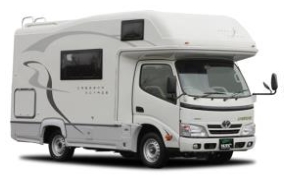
El Monte RV · Campervan · sleeps 2
Cabover - C16
Best for: Couples
Check dates & prices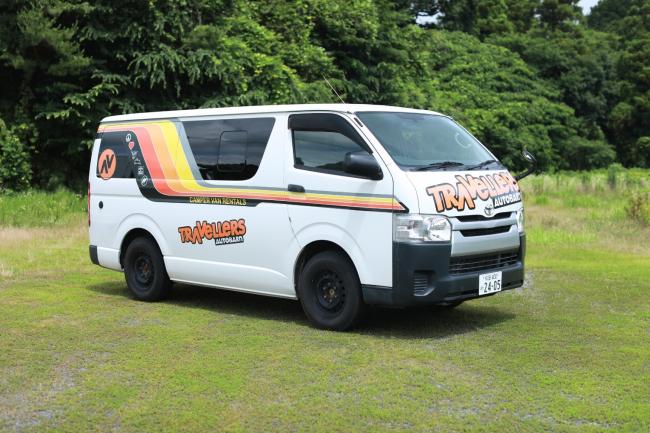
Travellers Autobarn · Campervan · sleeps 2
Chubby Camper
Best for: Couples
Check dates & prices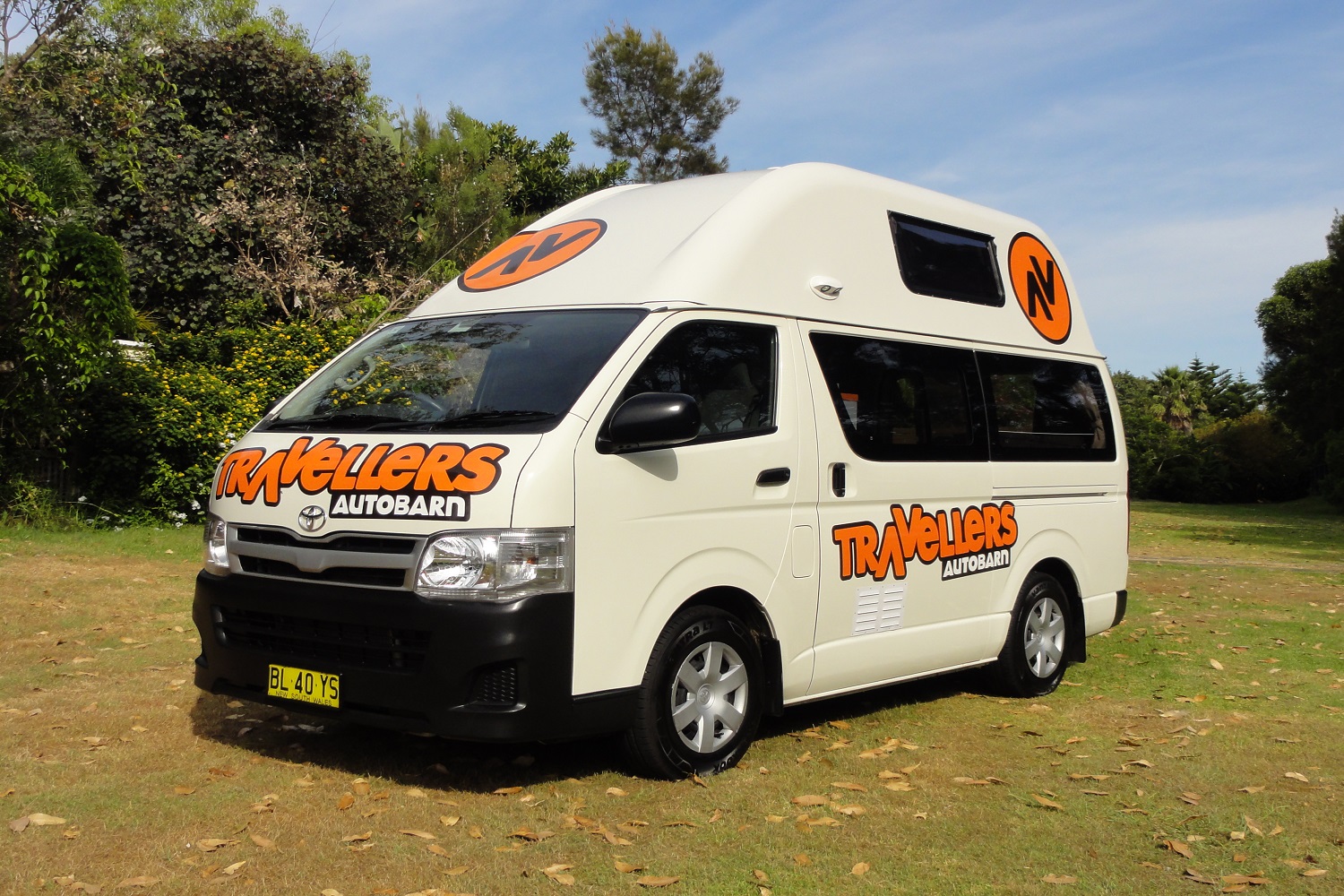
Travellers Autobarn · Campervan · sleeps 2
Kuga Campervan
Best for: Couples
Check dates & prices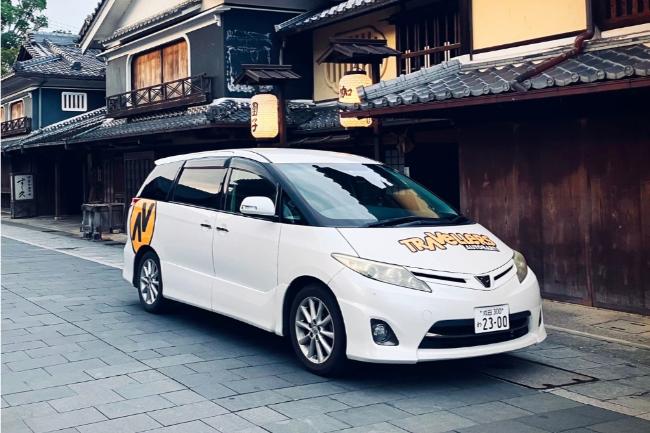
Travellers Autobarn · Campervan · sleeps 2
Station Wagon / Passenger Car
Best for: Couples
Check dates & pricesDay 1 survival kit
- Insert your ETC toll card into the vehicle's reader and listen for the confirmation chime before you set off.
- Skip inner-city Tokyo by heading for outer routes like the Ken-O Expressway (C4) or Tomei Expressway (E1).
- Stock up at a big suburban supermarket like Aeon or Ito-Yokado. Both have large car parks that fit campervans.
- Buy portable butane gas canisters (cassette gas) at any convenience store or home centre to power the gas cooker.
- Get used to driving on the left. Watch for narrow suburban lanes and deep open drainage ditches on rural roads.
Where to spend the first night
- Michi-no-Eki Fujiyoshida: clean rest area near Lake Kawaguchiko with free 24-hour restrooms, mountain water taps and views of Mount Fuji.
- PICA Fujiyama: campsite in pine woodland at the foot of Mount Fuji, with electric hookups and heated showers.
- RV Park Smart Hakone Sengokuhara: bookable campervan bays in Hakone with mains electricity and hot springs within walking distance.
- Michi-no-Eki Boso No Eki Tomiyama: quiet rest area in southern Chiba, handy if you're picking up near Narita and heading south across the Tokyo Bay Aqua-Line.
Returning your campervan
- Refuel near the depot. Red pumps are regular unleaded, green pumps are diesel (Keiyu).
- Hand your ETC card to depot staff. They'll print your highway route log and charge the toll balance to your credit card.
- Empty the grey water tank and clean the chemical toilet cassette at an approved service point before you reach the depot.
- Sort your rubbish (burnable waste, plastics, recyclable PET bottles and cans) into the depot bins. Public bins are almost non-existent in Japan.
Road trips from Tokyo

Fuji Five Lakes and the Izu Coast
4-6 days · ~450 km
Loop around Mount Fuji via Lake Kawaguchiko and Lake Motosu, then head south through the Izu Skyline to the sea cliffs and hot spring baths of Dogashima.

UNESCO Nikko and the Romantic Road
5-7 days · ~520 km
Head north through the cedar forests of Nikko to Toshogu shrine, tackle the winding Irohazaka mountain pass, then cross Gunma Prefecture to the thermal waters of Kusatsu.

Nagano and the Northern Japanese Alps
7-9 days · ~750 km
Head west on the Chuo Expressway to Matsumoto Castle, drive high alpine roads beneath the Hida Mountains, then visit the wild snow monkeys at Jigokudani.

Boso Peninsula Coastal Circuit
3-4 days · ~320 km
Cross under Tokyo Bay through the Aqua-Line tunnel to quiet Pacific surf beaches, hiking at Mount Nokogiri, and secluded coastal camping in Chiba.
See day-by-day itineraries for Japan →
Driving out of Tokyo
- Drive on the left. Speed limits are 40-50 km/h in towns, 50-60 km/h on rural roads, and 80-100 km/h on expressways.
- Japan has zero tolerance for drink-driving (0.00% blood alcohol). Penalties are severe for both driver and passengers.
- Stop fully at every railway level crossing, check both ways, then cross.
- Expressway tolls are tiered. Compact campervans usually pay standard car rates, but cab-over motorhomes may fall into a higher fee class.
- Winter tyres (studless) or snow chains are compulsory by law on mountain passes and northern expressways from December to early April.
Must-do & must-try
- Stay overnight at a Michi-no-Eki roadside rest station and try regional specialities, local produce, and fresh bento boxes.
- Soak in a traditional open-air hot spring bath (rotenburo) with mountain valley views in Hakone, Kusatsu or Okuhida.
- Drive the elevated Izu Skyline toll road for clear views of Mount Fuji across Suruga Bay.
- Stop at a working fish market like Numazu Port for fresh sashimi rice bowls straight off the boats.
- Walk among the ancient cedars on the stone approaches to Nikko's 17th-century shrines.
Tokyo campervan hire FAQs
Can I wild camp anywhere in Japan?
No. Setting up tables, chairs, barbecues or awnings outside the vehicle is only allowed at designated campsites. Sleeping inside your vehicle overnight is widely accepted at government-run Michi-no-Eki stations and expressway Service Areas.
What driving licence is required to hire a campervan in Tokyo?
You need your valid national driving licence plus an International Driving Permit (IDP) issued under the 1949 Geneva Convention. Licences from Germany, France, Switzerland, Belgium, Monaco and Taiwan need an official Japanese translation from the Japan Automobile Federation (JAF) instead.
How do expressway tolls work for campervans?
Japan's toll highways charge by distance and run electronically. Rent an Electronic Toll Collection (ETC) card from the depot so you can drive through automated ETC-only lanes without stopping. The final bill is settled when you return the van.
Are campervans difficult to park at tourist destinations?
Rural sights, national parks and Michi-no-Eki have large, free parking that suits bigger vehicles. Urban car parks and automated coin car parks often have 2.1-metre height barriers or narrow wheel-locking plates that won't fit a motorhome.
How do I manage rubbish disposal while on the road?
Public rubbish bins are almost non-existent in Japan. Separate your rubbish into burnable waste, plastic packaging, and recyclable cans or PET bottles. Dispose of it at official campsites, at the convenience store where you shop, or back at your rental depot.
Are mountain roads in central Honshu challenging in a motorhome?
Major national routes are paved and well-built. Secondary prefectural mountain roads are a different story, with narrow lanes, sharp hairpin turns and few passing bays. Drive carefully, check convex mirrors for oncoming traffic, and let local drivers overtake.
How does the Price Beat Guarantee work?
Find a lower price and we'll beat it. The quote must be for the same vehicle from the same supplier, with identical depots, dates and times, matching inclusions, mileage and excess options, and be live and verifiable before you book. Conditions apply — see our terms.
Other Japan pickup guides: