Real vehicles you can book
Tap a vehicle to see its photos, floorplan and live prices for your dates.
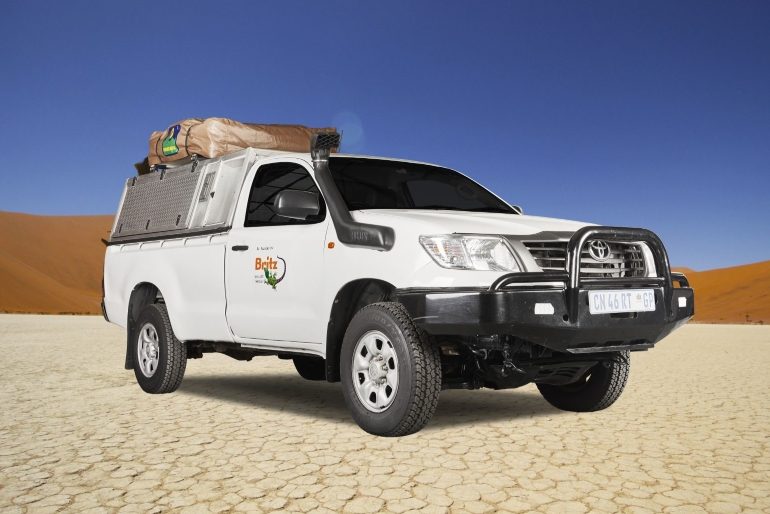
Britz · 4x4 rooftop-tent camper
Toyota Single Cab (SE)
Best for: Couples
Check dates & prices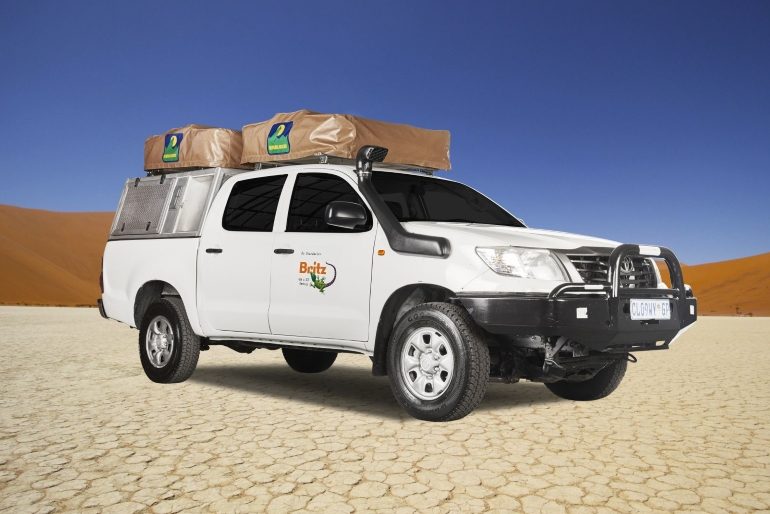
Britz · 4x4 double-cab camper
Toyota Double Cab (DCE)
Best for: Families of 4
Check dates & prices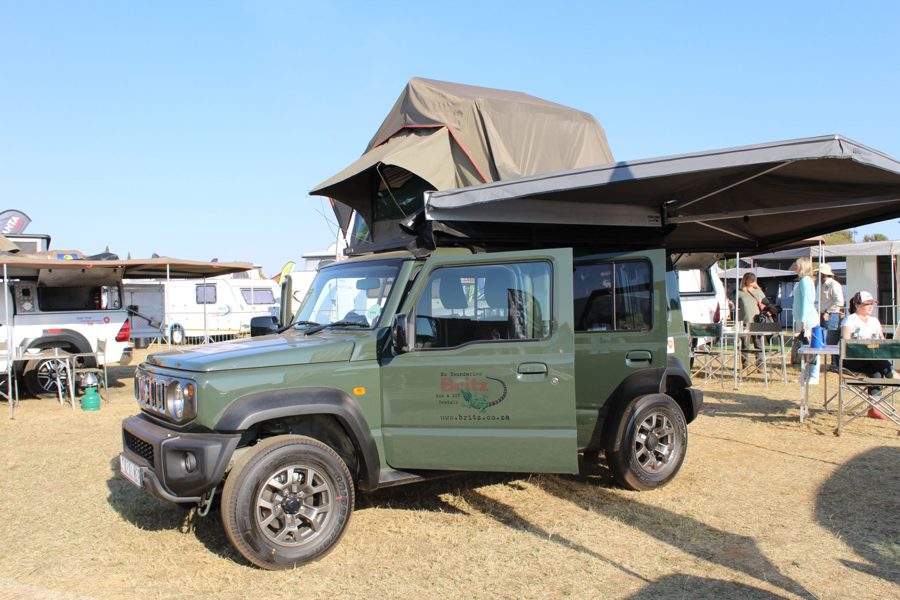
Britz · Compact 4x4
Suzuki Jimny
Best for: Couples travelling light
Check dates & prices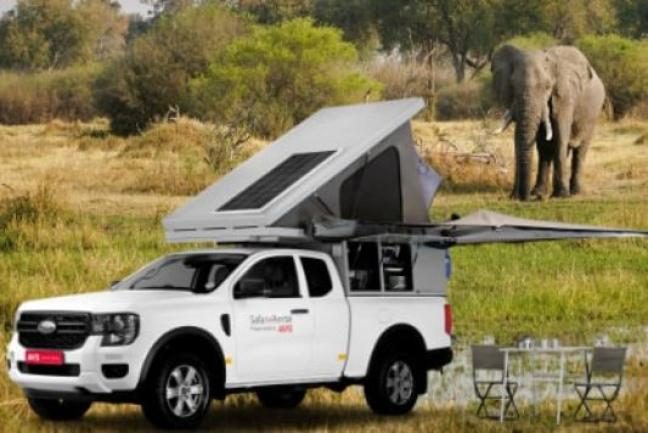
Avis Safari Rental · 4x4 safari camper
Group L Ford Ranger Safari Camper
Best for: Couples
Check dates & prices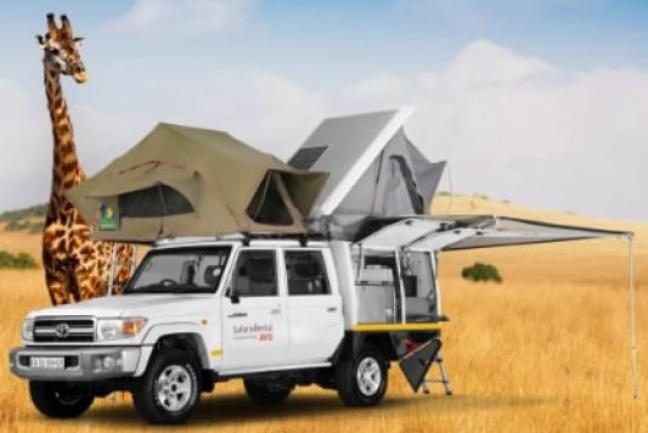
Avis Safari Rental · Land Cruiser 4x4
Group C Toyota Land Cruiser
Best for: Delta and Kalahari routes
Check dates & prices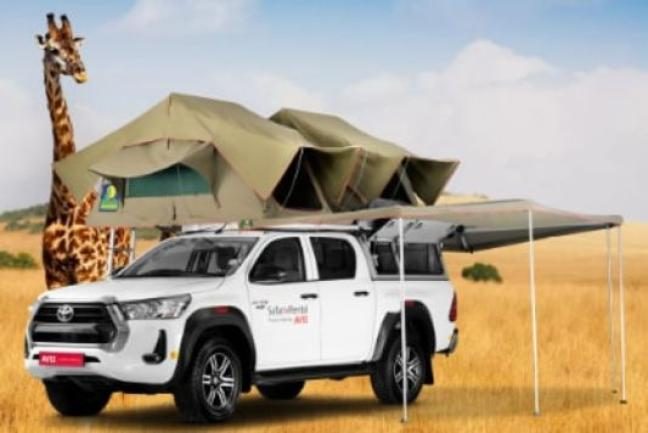
Avis Safari Rental · 4x4 luxury camper
Group N Hilux Luxury Camper
Best for: Families of 4
Check dates & pricesRental companies in Botswana
We only list established fleets with their own vehicles. No peer-to-peer rentals and no paid rankings.

Britz
Toyota Hilux single- and double-cab campers with rooftop tents, budget and comfort soft-shell canopies, Land Cruiser hard-shells and the Suzuki Jimny, all equipped for sand and remote camping.
View fleet & profile →

Avis Safari Rental
Toyota Hilux, Ford Ranger and Land Cruiser safari campers with fridge, dual battery and camping kit; cross-border travel available on request.
View fleet & profile →
Where to pick up your 4x4 camper
Maun
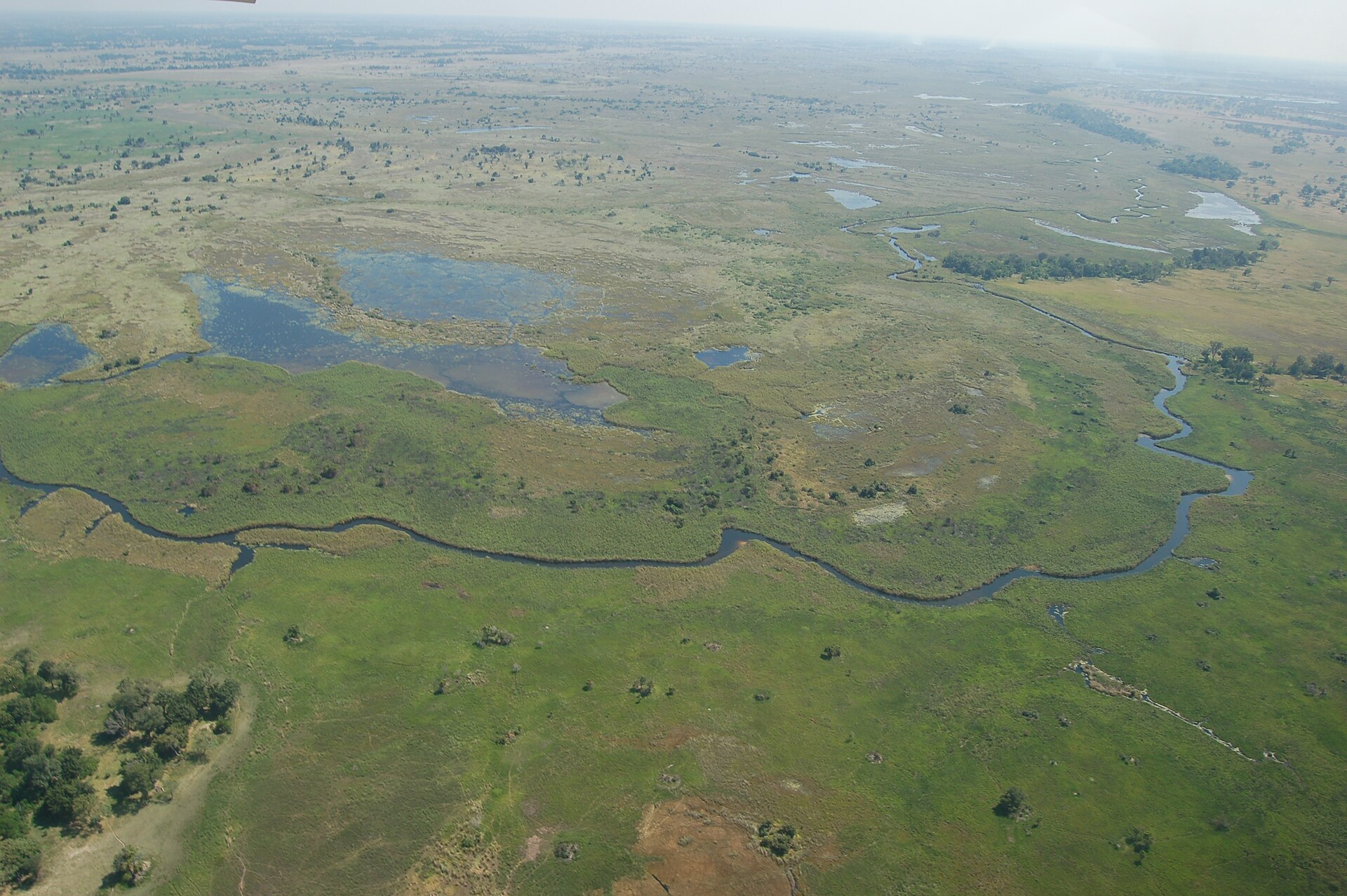
Gateway to the Okavango Delta, Moremi Game Reserve, Khwai and the Central Kalahari.
Kasane
On the Chobe River, an hour from Victoria Falls; base for Chobe National Park and the Savuti route.
Gaborone
The capital in the south-east, near the South African border; good for Kalahari and Khama Rhino Sanctuary routes.
Botswana 4x4 camper map: pickups and highlights
Dark blue dots are pickup locations. Tap any other dot to see the nearest pickup and a rough drive time.
Botswana pickup city guides
Southern Africa guides: South Africa · Namibia · Botswana · Mozambique
Top tip
Maun to Kasane (or the reverse) one-way is the classic route through Moremi, Khwai, Savuti and Chobe, about 7–10 days. Expect a one-way fee. Kasane pickups pair well with a Victoria Falls visit across the border in Zimbabwe or Zambia; check cross-border rules.
Trip cost calculator: fuel and campsites
Pick one of the road trips below or type your own distance to estimate fuel and overnight costs in BWP.
- Plan for (+20% detours)
- 780 km
- Fuel (101 litres)
- BWP 1,602
- Campsites
- BWP 2,370
- Fuel + campsites
- BWP 3,972
Road fees: Tarmac highways have no road tolls, but daily park conservation fees apply per person and per vehicle in national reserves.
Always refuel to maximum capacity at major hubs like Maun, Kasane, and Nata, as remote bush fuel stations regularly run dry. Estimates only; rental price, insurance and any mileage charges are shown in your quote.
Why self-drive Botswana is special
Botswana protects nearly 40 percent of its land for wildlife, and its parks are largely unfenced: elephants, lions and hyenas move freely through campsites. It is Africa's most rewarding self-drive safari for experienced, well-prepared travellers. Unlike South Africa there are few tarred park roads and no fenced rest camps; you drive deep sand and seasonal water crossings, camp at remote numbered sites booked in advance, and must be fully self-sufficient for water, fuel and food. A properly equipped 4x4 camper from Maun or Kasane puts the Okavango Delta's Moremi Game Reserve, Savuti and the Chobe riverfront within reach at a fraction of lodge prices.
Which vehicle suits your group?
Single-cab Hilux with rooftop tent — couples
- Sleeps 2
- Fridge, dual battery, water tank, full camping kit
- Most popular Botswana camper
Double-cab Hilux with two rooftop tents — families of 3–4
- Rear seats for children
- Extra fuel range on some models
- Heavier in deep sand
Land Cruiser hard-shell — remote routes and comfort
- Toughest in deep sand and water crossings
- Hard-shell sleeping area is faster to pitch
- Long-range tank for the Central Kalahari
Suzuki Jimny — experienced couples travelling light
- Light and agile in sand
- Very limited luggage and water capacity
- Best for shorter or lodge-based trips
Best time to travel and weather
Dry season (May–Oct)
- Peak game viewing: animals concentrate on rivers and waterholes
- Okavango flood peaks in the Delta around June–August, so some Moremi tracks flood
- Cold nights May–August, very hot by October; campsites book out a year ahead
Green season (Nov–Apr)
- Rains turn tracks into mud and black-cotton soil; Savuti and parts of Chobe can be impassable
- Zebra migration on the Makgadikgadi and Nxai Pans (roughly Dec–Mar)
- Fewer people, cheaper rates, excellent birding
Classic Botswana road trips
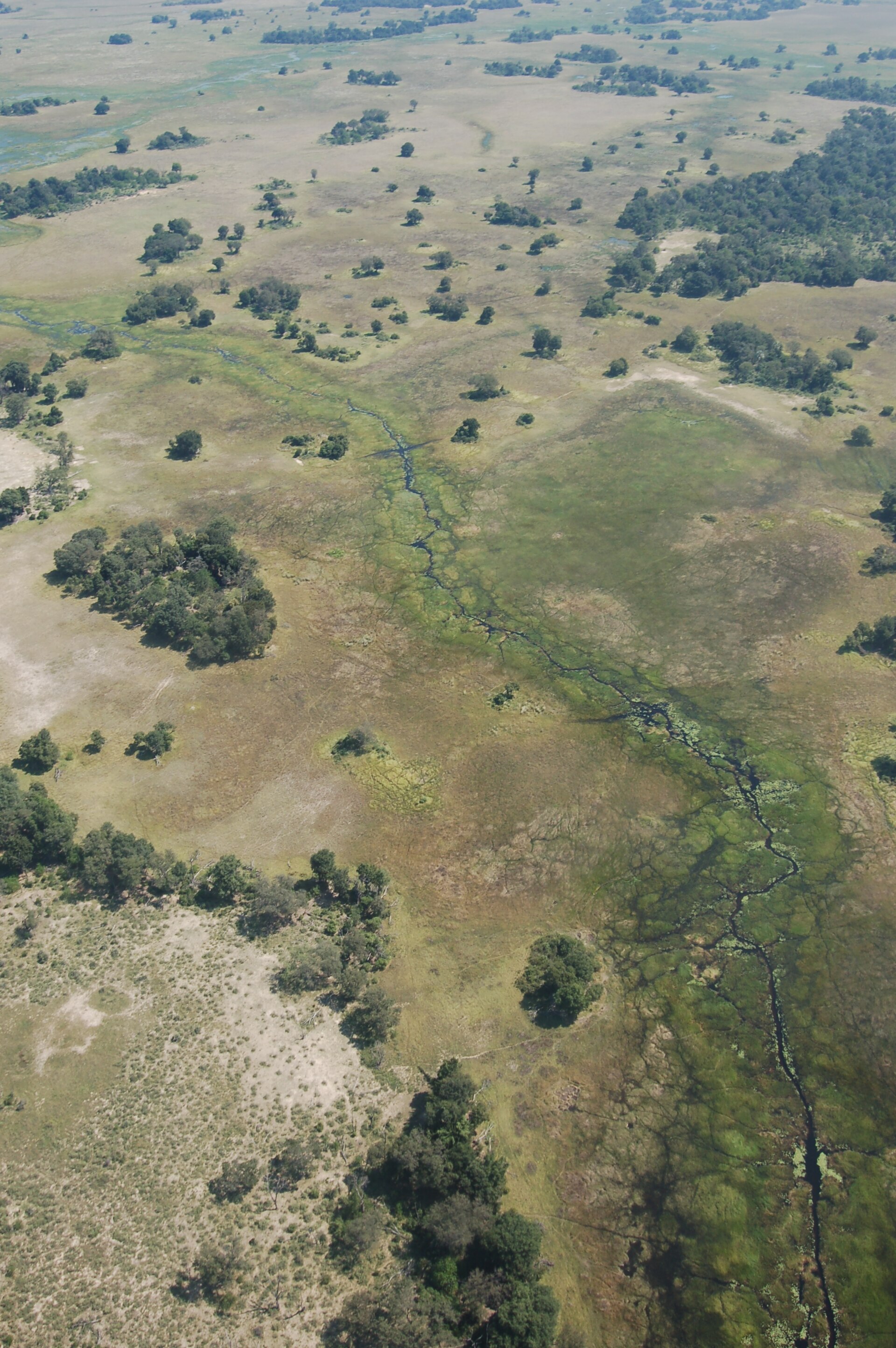
The classic one-way: Moremi Game Reserve, Khwai, Savuti and the Chobe riverfront.
Day 1: Maun
Driving: –See: Collect vehicle, shop and fill all tanks; optional Delta scenic flight
Overnight: Maun riverside campsite
Day 2: → Moremi (South Gate)
Driving: 3h (sand)See: Enter at South Gate, Black Pools loop
Overnight: South Gate (Maqwee) campsite
Day 3–4: → Third Bridge / Xakanaxa
Driving: 2hSee: Mboma Island loop, lagoons; mokoro or boat trip from Xakanaxa
Overnight: Third Bridge or Xakanaxa campsite
Day 5: → Khwai
Driving: 2hSee: Khwai River hippos, wild dog and leopard territory
Overnight: Khwai community campsite
Day 6–7: → Savuti
Driving: 4h (deep sand)See: Savuti Channel lions, Gubatsa Hills rock art, Leopard Rock
Overnight: Savuti campsite
Day 8: → Chobe riverfront (Ihaha)
Driving: 5hSee: Elephant herds on the river, sunset boat cruise
Overnight: Ihaha campsite
Day 9: → Kasane
Driving: 1hSee: Chobe riverfront game drive
Overnight: Drop-off
Must-see
- Mokoro trip from Xakanaxa
- Savuti lions
- Chobe riverfront elephants
Free stops
- Khwai River hippo pools
- Gubatsa Hills rock art
- Chobe riverfront sunset
Before you go
- Carry printed campsite vouchers for every night.
- Lower tyre pressure in deep sand between Khwai and Savuti.
- Check flood levels at Third Bridge before you set off.
Where to stay overnight
- You must have a confirmed campsite booking before entering Moremi, Chobe (Savuti, Ihaha, Linyanti) and the Central Kalahari. Campsites are run by the Department of Wildlife and National Parks (DWNP) and private concessionaires (for example SKL, Xomae and Kwalate), so you may need several separate bookings.
- Park entry fees are paid separately from campsites, usually at the DWNP office in Maun or Kasane, or at the gate.
- Most campsites are unfenced. Animals, including elephants, lions and hyenas, walk through at night. Never sleep outside the tent, keep food locked in the vehicle and do not walk around after dark.
- Facilities range from hot showers to nothing at all. In the Central Kalahari there is no water: carry everything you need.
- Popular dry-season sites are often fully booked 12 months ahead; your rental company or a specialist booking agent can help.
Driving rules and road quirks
- Drive on the left. Speed limits are 120 km/h on main tar roads, 60 km/h in towns and usually 40 km/h in parks.
- Deep sand: lower tyre pressures at the start of sandy sections (your supplier will advise the pressure), engage 4x4, keep momentum and avoid sharp steering. Re-inflate before returning to tar.
- Water crossings: walk or check the depth first if safe, cross slowly and steadily, and never cross if unsure. Flood levels change week to week.
- Donkeys, cattle and goats wander onto tarred roads, especially Maun–Nata. Do not drive at night.
- Veterinary checkpoints on main roads may require you to drive through disinfectant and declare fresh meat and dairy, which can be confiscated.
- Fuel is only available in towns (Maun, Kasane, Nata, Gweta). Plan for two to three times the straight-line distance in sand and fill every jerrycan.
What a Botswana self-drive costs
Botswana is a premium destination. Planning figures in Botswana pula (BWP) and US dollars for a couple.
| 4x4 camper | Roughly US$120–US$300 a day depending on vehicle, season and insurance |
|---|---|
| Park entry | Daily per-person fee for non-residents plus a vehicle fee, paid to DWNP |
| Campsites in Moremi, Savuti, Khwai | Often US$50–US$70+ per person per night at concession-run sites |
| Fuel | Budget for heavy consumption in sand: 18–25 litres per 100 km |
| Activities | Mokoro trips, scenic flights and boat cruises are extra and best booked in Maun or Kasane |
| Cross-border | Fees for Namibia, South Africa, Zambia or Zimbabwe charged by the rental company plus border road permits |
Wildlife and remote-travel safety
- Give elephants space: never drive between a mother and calf, and reverse away slowly if an elephant shakes its head or flaps its ears.
- Do not leave fruit (especially oranges) in tents or open vehicles; elephants will smell it.
- Carry a satellite messenger or satellite phone for remote areas. Many rental companies offer one.
- Travel in two vehicles for the Central Kalahari and Savuti in the green season if possible.
- Northern Botswana is a malaria area, especially November to April; take medical advice before travelling.
Combining Botswana with neighbouring countries
- Kasane is next to the Kazungula bridge (to Zambia) and an hour from Victoria Falls in Zimbabwe; ask your supplier before taking the vehicle across.
- Routes from Maun via the Caprivi Strip into Namibia, or south via Gaborone into South Africa, are common with a cross-border letter and fee.
- Each border charges road and insurance fees; keep cash in small denominations of the local currency and US dollars.
Day 1: first-timer checklist
- Many nationalities, including UK, EU, US, Canadian, Australian and New Zealand passport holders, can visit Botswana visa-free for up to 90 days. Check your own passport.
- Expect a long handover. Make sure you are shown tyre deflation and inflation, the high-lift jack, recovery gear, water system, fridge and fuel range.
- Confirm all campsite bookings and carry printed vouchers; there is often no signal at park gates.
- Shop in Maun or Kasane: Choppies, Spar and Woolworths have the best range. Buy water, ice and firewood.
- Buy a Mascom or Orange SIM; coverage disappears inside the parks.
Must-do and must-try in Botswana
Must-do moments
- Mokoro dug-out canoe trip in the Okavango
- Elephant herds on the Chobe River at sunset
- Scenic flight over the Delta from Maun
- Sleeping under the stars at Baines' Baobabs
- Night sounds at an unfenced Moremi campsite
Must-try food
- Seswaa (slow-cooked shredded beef), the national dish
- Pap and morogo (wild spinach)
- Mopane worms, if you dare
- Braai over mopane wood
Wildlife
- Africa's largest elephant population around Chobe
- Wild dogs in Khwai and Moremi
- Savuti's lions
- Zebra migration on the Makgadikgadi
- Kalahari lions and gemsbok
Local apps and emergency numbers
- Department of Wildlife and National Parks (DWNP): park entry and some campsites.
- Tracks4Africa GPS maps: essential for park tracks and campsite coordinates.
- Emergency: 999 police, 997 ambulance, 998 fire; 112 from mobile phones. Register with your rental company's 24-hour support.
- Medical air rescue cover is strongly recommended; ask your rental company if it is included.
Official live links
- Botswana Tourism — Official tourism information
- Department of Wildlife and National Parks — Park regulations and fees
- UK Foreign Office travel advice – Botswana — Entry, safety and health
Botswana 4x4 camper FAQs
Is Botswana suitable for first-time self-drive safari?
It is best for travellers with some 4x4 or remote-camping experience. First-timers often start with a Chobe and Victoria Falls loop from Kasane or combine a few lodge nights with camping.
Do I need to book campsites in advance in Botswana?
Yes. You cannot enter Moremi, Savuti or the Central Kalahari without confirmed campsite bookings, and popular dry-season sites book a year ahead.
Is it safe to camp in unfenced campsites?
Yes, if you follow the rules: stay in your tent or vehicle at night, keep food locked away, never approach animals and keep a torch handy. Thousands of self-drivers camp in Moremi each year.
Can I drive from Botswana to Victoria Falls?
Victoria Falls is about an hour from Kasane. Taking a rental across into Zimbabwe or Zambia needs your supplier's permission and cross-border paperwork; many travellers take a day transfer instead.
How much fuel do I need?
Plan on 18–25 litres per 100 km in deep sand. Fill up in Maun or Kasane and carry jerrycans for Savuti and the Central Kalahari.
How does the Price Beat Guarantee work?
Find a lower price and we'll beat it. The quote must be for the same vehicle from the same supplier, with identical depots, dates and times, matching inclusions, mileage and excess options, and be live and verifiable before you book. Conditions apply — see our terms.