Real vehicles you can book nearby in Sweden
Tap a vehicle to see its photos, floorplan and live prices for your dates.
Indie Campers · Campervan · sleeps 2
Active Bunk
Best for: Couples
Check dates & prices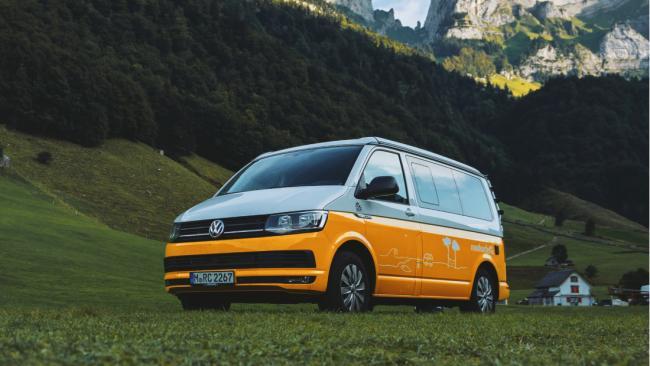
roadsurfer · Campervan · sleeps 2
Beach Hostel
Best for: Couples
Check dates & prices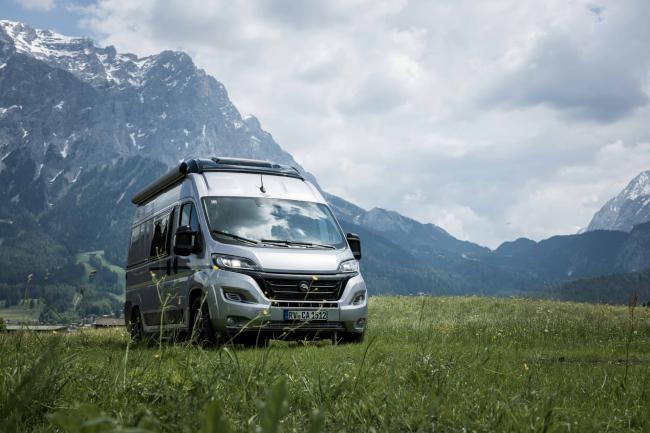
Touring Cars · Campervan · sleeps 2
Camp (2 pax) - Automatic
Best for: Couples
Check dates & prices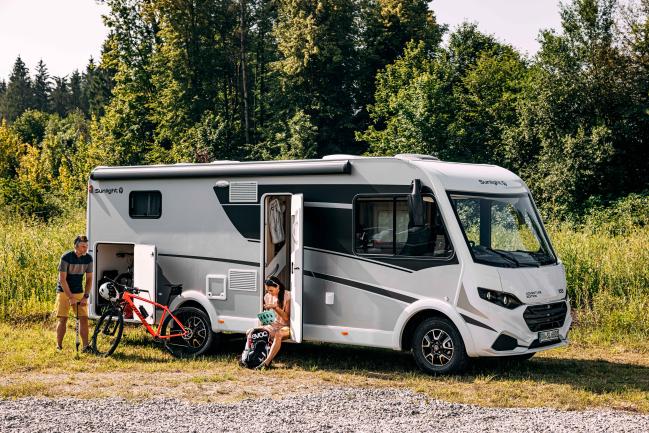
Mcrent Sweden · Campervan · sleeps 2
Comfort Luxury
Best for: Couples
Check dates & prices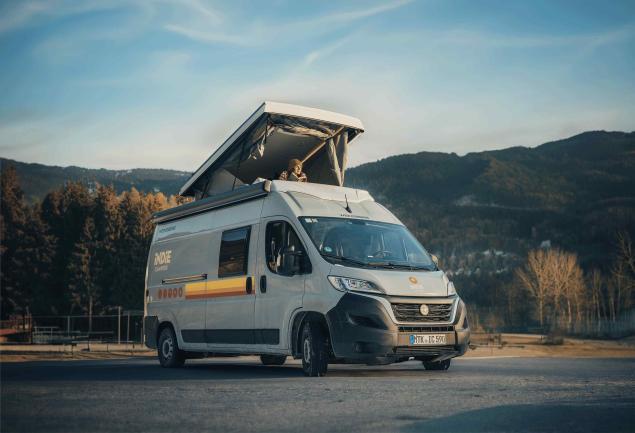
Indie Campers · Campervan · sleeps 2
Active Pop Top
Best for: Couples
Check dates & prices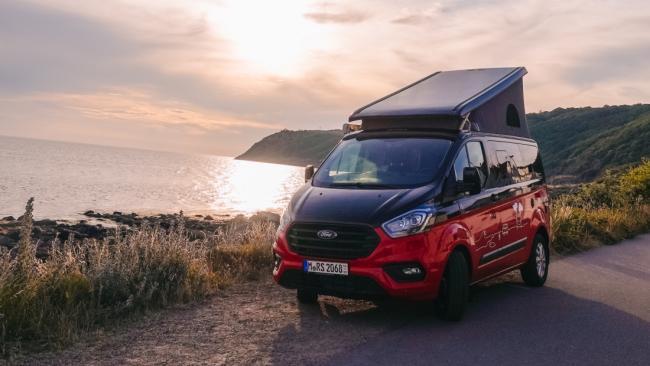
roadsurfer · Campervan · sleeps 2
Camper Cabin
Best for: Couples
Check dates & pricesRental companies in Denmark
We only list established fleets with their own vehicles. No peer-to-peer rentals and no paid rankings.
Where to pick up your campervan
Jutland (Jylland)
The mainland has wild North Sea coasts, historic fjord towns, and rolling lake districts.
Funen (Fyn)
Known as Denmark's garden island, Funen has thatched villages, manor houses, and sheltered sailing straits.
Zealand & Capital Region (Sjælland)
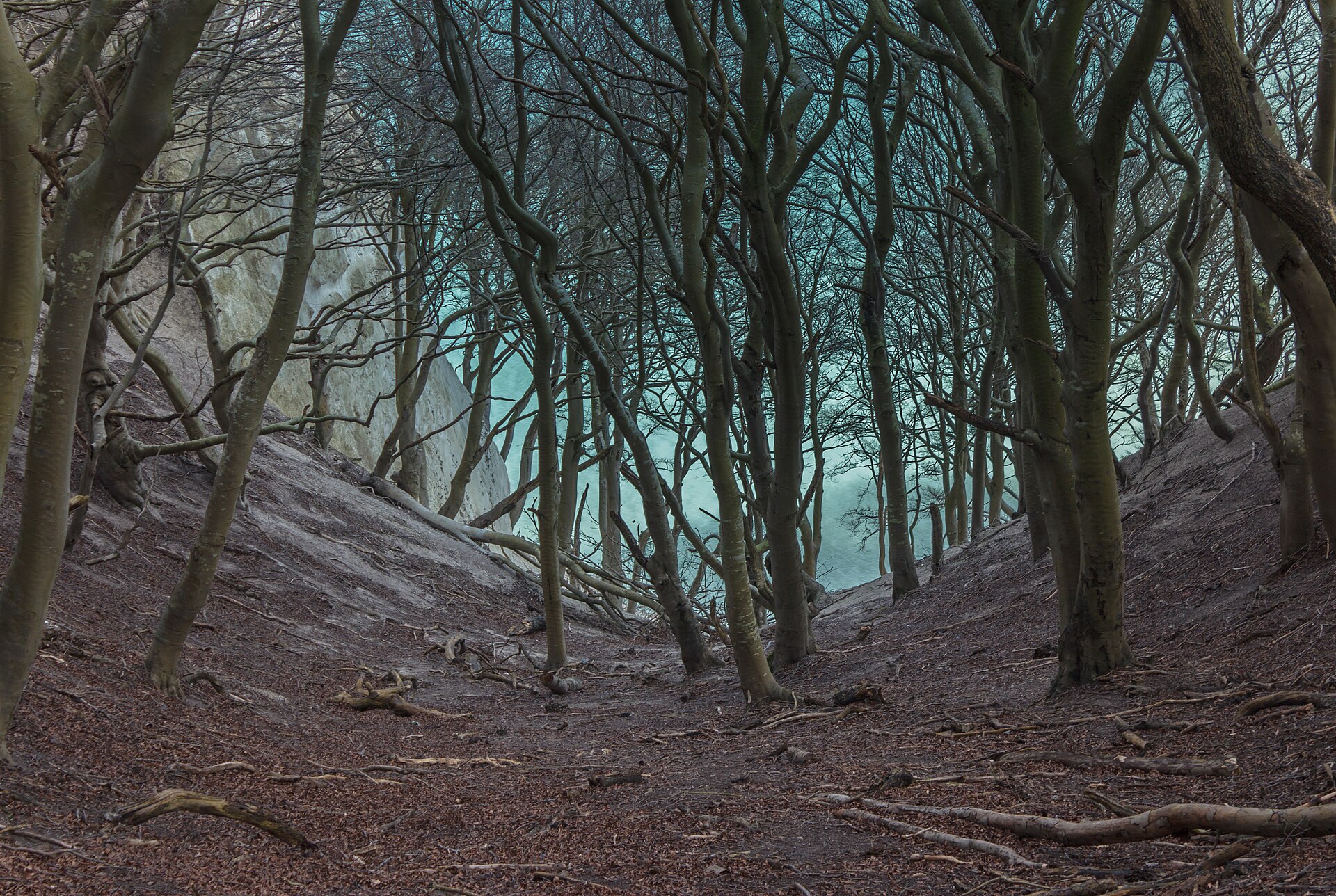
The eastern island hub mixes coastal cities with royal palaces, Viking fjords, and chalk sea cliffs.
Denmark campervan map: pickups and highlights
Dark blue dots are pickup locations. Tap any other dot to see the nearest pickup and a rough drive time.
Denmark pickup city guides
More European guides: Albania · Austria · Belgium · Bosnia · Bulgaria · Croatia · Czech Republic · Estonia · Finland · France · Germany · Greece · Hungary · Iceland · Ireland · Italy · Latvia · Liechtenstein · Lithuania · Luxembourg · Macedonia · Monaco · Montenegro · Netherlands · Norway · Poland · Portugal · Romania · Serbia · Slovakia · Slovenia · Spain · Sweden · Switzerland
Top tip
Most Danish motorhome depots sit outside city centres, near airports like Billund and Copenhagen. Plan to arrive by train or taxi, and book your handover in daylight so you can check the vehicle properly before you set off.
Trip cost calculator: fuel and campsites
Pick one of the road trips below or type your own distance to estimate fuel and overnight costs in DKK.
- Plan for (+20% detours)
- 816 km
- Fuel (106 litres)
- DKK 1,432
- Campsites
- DKK 2,030
- Fuel + campsites
- DKK 3,462
Road fees: Highways are toll-free. Crossing the Storebælt Bridge costs roughly 270 to 620 DKK each way, depending on motorhome length.
Diesel runs 12.50 to 14.50 DKK per litre at Danish stations. Unmanned automated pumps are cheaper. Estimates only; rental price, insurance and any mileage charges are shown in your quote.
Why choose Denmark for a campervan holiday?
Denmark suits relaxed road touring. You're never more than fifty kilometres from the sea, so you can go from beech forests to coastal dunes in under an hour. Roads are well maintained, signposting is clear, and big suspension bridges and reliable ferries make island-hopping easy. You'll find hundreds of good campsites and dedicated motorhome parking areas. Seaside villages keep up the hygge spirit, with harbour stopovers, seafood smokehouses, and sheltered swimming coves. Explore Viking history around Roskilde, cross the heather moorlands of Central Jutland, or watch two seas meet at Grenen in Skagen. It all makes for easy travel, for families, couples, and solo road trippers alike.
Which vehicle suits your group?
Compact Campervan — Good for couples and solo trippers who want easy urban parking and low bridge tolls.
- Based on VW Transporter or similar medium panel vans
- Pop-top roof gives standing height and an upper double bed
- Compact kitchen with two gas rings and a 12V compressor fridge
- Fits standard car parking spaces and gets lower ferry fares
Semi-Integrated (Low Profile) Motorhome — Good for couples who want proper living space, a fixed double bed, and a full washroom.
- Aerodynamic cab for better fuel economy on motorways
- Fixed rear double bed, plus an optional drop-down ceiling bed
- Fully enclosed bathroom with cassette toilet and hot-water shower
- Rear garage with room for bikes and outdoor furniture
Overcab (Alcove) Coachbuilt — Good for families and small groups who need separate sleeping zones and plenty of storage.
- Double bed pod over the cab frees up lounge floor space
- Rear bunk beds or a fixed transversal bed, good for travelling with children
- Plenty of kitchen prep space, with a three-burner hob and large fridge-freezer
- Watch your clearance under low bridges and on ferry decks
A-Class Luxury Liner — Good for long-term tourers who want panoramic views, strong insulation, and top comfort.
- Integrated custom cab with a wide panoramic windscreen
- High-grade insulation, good for spring and autumn touring
- Roomy front lounge with rotating captain's chairs
- Often exceeds 3.5 tonnes, requiring a Category C1 driving licence
Best time to travel and weather
Peak Summer (July to August)
- Daytime temperatures average 20°C to 24°C, with daylight until 22:00.
- Coastal campsites and tourist hubs fill fast, so book your pitch ahead.
- Sea temperatures are at their warmest, good for swimming, paddleboarding, and water sports.
Late Spring (May to June)
- Crisp, sunny days, flowering rape fields, and far fewer people at campsites.
- Most seasonal attractions, open-air museums, and ferry routes run full timetables.
- Coastal breezes, and evenings cool enough for onboard heating.
Early Autumn (September to October)
- Good autumn colour in the national parks, but daylight hours drop fast.
- Many coastal campsites close from mid-September or switch to unstaffed winter service.
- More North Sea low-pressure systems, bringing gale-force winds and squalls.
Winter (November to April)
- Sub-zero temperatures and coastal frost require winterised campers with heated water tanks.
- Very short daylight windows (under seven hours in December) and limited open campsites.
- Watch for crosswinds, black ice, and bridge wind warnings on motorways.
Classic Denmark road trips
Drive the spine and coastlines of Jutland, linking dunes, Viking heritage, and historic fjord towns.
Day 1: Billund to Ribe
Driving: 1h 10mSee: Leave Billund and head southwest to Ribe, Denmark's oldest town, known for its Romanesque cathedral and cobbled lanes.
Overnight: Ribe Camping
Day 2: Ribe to Ringkøbing Fjord
Driving: 1h 30mSee: Drive north along the narrow coastal spit of Holmsland Klit, with the North Sea on one side and calm lagoon waters on the other.
Overnight: Hvide Sande Camping
Day 3: Ringkøbing to Thy National Park
Driving: 2h 15mSee: Follow the west coast north past fishing hamlets into the windswept wilderness of Thy.
Overnight: Klitmøller Camping
Day 4: Thy to Skagen
Driving: 2h 30mSee: Drive northeast along the Limfjord to Grenen, Denmark's northernmost tip, where the Kattegat and Skagerrak meet.
Overnight: CampOne Grenen Strand
Day 5: Skagen to Aalborg
Driving: 1h 20mSee: Head south through the shifting dunes of Råbjerg Mile to Aalborg, stopping at the Lindholm Høje Viking burial grounds.
Overnight: Aalborg Cable Park Autocamperplads
Day 6: Aalborg to Aarhus
Driving: 1h 30mSee: Travel south through East Jutland to Aarhus, visiting the ARoS Art Museum and the open-air Den Gamle By museum.
Overnight: Aarhus Camping
Day 7: Aarhus to Billund
Driving: 1h 10mSee: Head southwest through the Lake Highlands of Silkeborg, then return the campervan to Billund.
Overnight: Billund Autocamper Park
Must-see
- Grenen sandbar where Skagerrak and Kattegat seas meet
- Råbjerg Mile, Denmark's largest migrating sand dune
- Den Gamle By living history museum in Aarhus
- Ribe Cathedral and medieval timber-framed town centre
Free stops
- Lindholm Høje iron-age Viking burial mounds
- Bovbjerg Fyr red lighthouse clifftop viewpoint
- Rubjerg Knude lighthouse standing high on shifting sand
Before you go
- Strong westerly winds are common along the North Sea. Park facing into the wind on exposed coastlines.
- No tolls anywhere on the mainland Jutland loop.
- Arriving late along the Limfjord? Use the QuickStop campsite scheme.
Where to stay overnight
- Wild camping in campervans or motorhomes is illegal everywhere in Denmark outside official sites.
- You can rest overnight (raste) in standard public parking areas for one night, as long as you don't set up camp (no tables, chairs, awnings, or levelling jacks).
- DK-CAMP runs over 200 accredited campsites nationwide with a 'QuickStop' scheme: discounted overnight stays if you arrive after 20:00 and leave before 09:00.
- Autocamperplads (motorhome aires) are common at coastal yacht harbours and farms, usually with payment kiosks, electricity, and waste disposal.
- Primitive wilderness tent sites run by the Danish Nature Agency (Naturstyrelsen) are for walkers and cyclists only, not motorised vehicles.
- Campsites use a clear 1 to 5-star rating system, verified by Danish camping associations, so sanitation standards are reliable.
- Useful apps for finding overnight parking and service points: Park4Night, Campercontact, and the official Stellplatz Danmark platform.
- Some traditional Danish holiday parks ask for a Camping Key Europe (CKE) card or digital equivalent, but many accept standard photo ID.
Driving rules and road quirks
- Drive on the right, and overtake on the left.
- Dipped headlights or daytime running lights are compulsory 24 hours a day, on all roads.
- Speed limits for motorhomes under 3.5 tonnes: 50km/h in towns, 80km/h on rural roads, and 110km/h or 130km/h on motorways as signposted.
- Motorhomes over 3.5 tonnes are limited to 50km/h in towns, 80km/h on rural roads, and 80km/h on motorways (100km/h with Danish Tempo 100 certification).
- Motorways are toll-free. Charges apply only on the Storebælt Bridge (Great Belt) and Øresund Bridge (to Sweden), based on vehicle length and height.
- Low Emission Zones (Miljøzoner) operate in Copenhagen, Frederiksberg, Aarhus, Odense, and Aalborg; diesel campervans over 3.5t require particulate filters and pre-registration.
- The legal blood alcohol limit is 0.05% (0.5 g/l). Penalties for exceeding it are severe, including vehicle confiscation.
- Cyclists on dedicated cycle tracks (Cykelstier) always have right of way. Do a shoulder check before turning right.
- Winter tyres aren't compulsory in Denmark, but your vehicle must suit the road conditions. Studded tyres are allowed from 1 November to 15 April.
Bridge Tolls and Operating Costs
Denmark has no general road vignette, but major bridges charge automated tolls based on vehicle length. Stay under 6 metres to keep costs down.
| Storebælt Bridge (< 6m length) | Approx. 270 DKK (single crossing) |
|---|---|
| Storebælt Bridge (> 6m length / motorhome) | Approx. 400 to 620 DKK (single crossing) |
| Øresund Bridge (< 6m length) | Approx. 490 DKK (single crossing) |
| Average Campsite Pitch (2 adults + power) | 200 - 350 DKK per night |
| Autocamperplads (Harbour Aire) | 120 - 200 DKK per night |
| Diesel (per litre) | Approx. 12.50 - 14.50 DKK |
Domestic Ferries and International Crossings
Denmark's islands are linked by frequent car ferries. Plan your crossings to avoid long motorway detours around the belts.
| Odden – Ebeltoft / Aarhus (Molslinjen) | Cuts 200 km between Zealand and Jutland. Book ahead to save up to 50%. |
|---|---|
| Spodsbjerg – Tårs Ferry | Connects Langeland (Funen) with Lolland every 45 minutes |
| Bøjden – Fynshav Ferry | Shortest vehicle link between Southern Funen and South Jutland |
| German Land Border (Padborg / Kruså) | Spot passport and customs checks happen. Keep passports handy. |
| Sweden Entry (Øresund Bridge) | Full border control into Sweden. Carry vehicle rental papers and ID. |
Day 1: first-timer checklist
- Check the exact height and length on your rental agreement. You'll need these figures at bridge toll gates and ferry check-in.
- Inspect the vehicle with depot staff and photograph any existing scrapes on body panels, bike racks and alloy rims.
- Check the exterior locker for the fresh water hose, mains hook-up cable with European CEE adaptor, and levelling chocks.
- Find the high-vis vests (one per seated passenger) and warning triangle required in the cab.
- Get to know the digital control panel. Check the hot water, water pump and heating all work.
- Stock up at a nearby supermarket (Netto, Rema 1000 or Føtex) before heading into rural areas.
- Test your cards at an automated diesel station to make sure they work abroad.
Must-do and must-try in Denmark
Iconic Danish Road Trip Activities
- Stand at Grenen, where the Skagerrak and Kattegat seas collide over the sandbank.
- Climb the moving sand dunes at Rubjerg Knude to see the relocated clifftop lighthouse.
- Park at a harbour autocamperplads and watch the fishing fleet land its morning catch.
- Cycle the island's cycleways on a hire bike, straight from your motorhome garage.
- Walk the white chalk cliffs of Møns Klint, high above the clear Baltic Sea.
Must-Try Regional Food & Produce
- Smørrebrød: open rye bread topped with pickled herring, remoulade or roast beef.
- Stjerneskud: a 'shooting star' open sandwich of fried plaice, prawns and asparagus.
- Fresh smoked mackerel or herring, bought straight from traditional smokehouses (Røgeri) in Bornholm or North Jutland.
- Flødeboller: chocolate-coated marshmallow on a marzipan or wafer base, from artisan bakeries.
- Wienerbrød: flaky Danish pastry layered with butter, cinnamon and vanilla custard.
Cultural & Heritage Stops
- The Viking Ship Museum in Roskilde, with salvaged 11th-century warships on the fjord.
- Frederiksborg Castle, a Renaissance palace built across three lake islets in Hillerød.
- Den Gamle By in Aarhus, a living history town showing urban life from the 1700s to the 1970s.
- Jelling Rune Stones in Jutland, the UNESCO-listed birth certificate of Denmark.
Local apps and emergency numbers
- Emergency Services: dial 112 nationwide for police, ambulance and fire.
- Medical Non-Emergency: dial 1813 in the Capital Region, or use the regional doctor-on-call service (Lægevagten) elsewhere.
- Navigation & Road Traffic: Trafikinfo.dk has real-time motorway congestion, roadworks and bridge wind warnings.
- Motorhome Parking Apps: Park4Night, Campercontact and Stellplatz Danmark list legal overnight spots.
- Currency: Danish Krone (DKK). Denmark is almost cashless, debit and credit cards (chip and PIN) work everywhere.
- Bridge Accounts: set up BroBizz or a Storebælt / Øresund toll tag online for automatic barriers and lower tolls.
- Electrical Connection: campsites use standard blue 3-pin CEE sockets (230V). Bring a European Schuko adapter.
Official live links
- VisitDenmark — The official tourism board, with travel guides, regional itineraries and camping advice.
- Vejdirektoratet (Danish Road Directorate) — Official traffic conditions, roadworks and bridge wind alerts.
- Miljøzone (Low Emission Zones) — Official emissions rules and registration requirements for major Danish cities.
- Storebælt Bridge — Official prices, vehicle category sizes and toll payment info for the Great Belt bridge.
- DK-CAMP — Official directory of over 200 Danish campsites and QuickStop motorhome schemes.
Denmark campervan FAQs
Can I wild camp in a campervan in Denmark?
No. Wild camping in motor vehicles is banned. You can only stay overnight at registered campsites, designated Autocamperplads (motorhome aires), or private land with permission. You can rest (raste) in a public car park for one night to recover from driving, but you must stay inside the vehicle, no outdoor furniture, levelling jacks or awnings.
Are tolls expensive for motorhomes in Denmark?
All roads and motorways are toll-free. The only tolls are on the Storebælt Bridge (Funen to Zealand) and the Øresund Bridge (Denmark to Sweden). Motorhomes over 6 metres or 3.5 tonnes pay higher rates. An automated toll tag or linked registration cuts the crossing fare.
What driving licence do I need to hire a motorhome?
A standard Category B car licence, held for one to two years, covers any motorhome up to 3,500 kg (MAM). For an over-cab or A-class motorhome over 3.5 tonnes, you need a Category C1 licence. Non-EU licence holders should carry an International Driving Permit alongside their national licence.
Do I need an environmental sticker for Danish cities?
Low emission zones (Miljøzoner) cover Copenhagen, Frederiksberg, Aarhus, Odense and Aalborg. They mainly target diesel lorries, buses and commercial vans, but diesel motorhomes classed as commercial or large passenger vehicles may need a particulate filter (Euro 5/Euro 6) or online registration at miljoezoner.dk before entering.
Can I drive my campervan onto Danish beaches?
On some beaches on the southwest coast of Jutland, notably Rømø and Fanø, plus parts of northern Jutland like Blokhus, you can legally drive onto designated firm tidal sand zones in daytime. Overnight beach camping is illegal. Always check tide times so you don't get stranded.
How widespread are waste disposal points in Denmark?
Emptying points (tømmestation) for grey water and chemical toilets are at almost all official campsites and Autocamperplads. Many motorway service areas run by the Danish Road Directorate (Vejdirektoratet) also have free public motorhome service points, marked with caravan waste symbols.
Is Denmark good for motorhome touring in the shoulder season?
Yes. May, June and September bring mild weather, quieter roads and less busy campsites. Note some seasonal campsites close from mid-September to late April. A motorhome with good auxiliary heating (Truma or Webasto) helps, as coastal nights can get chilly.
Are credit cards widely accepted, or do I need cash?
Denmark is almost cashless. Visa, Mastercard, Apple Pay and Google Pay work almost everywhere, including unattended farm stands, automated harbour parking meters and small coastal bakeries. You don't need much Danish Krone cash, but you do need a debit card with a four-digit PIN.
How does the Price Beat Guarantee work?
Find a lower price and we'll beat it. The quote must be for the same vehicle from the same supplier, with identical depots, dates and times, matching inclusions, mileage and excess options, and be live and verifiable before you book. Conditions apply — see our terms.