
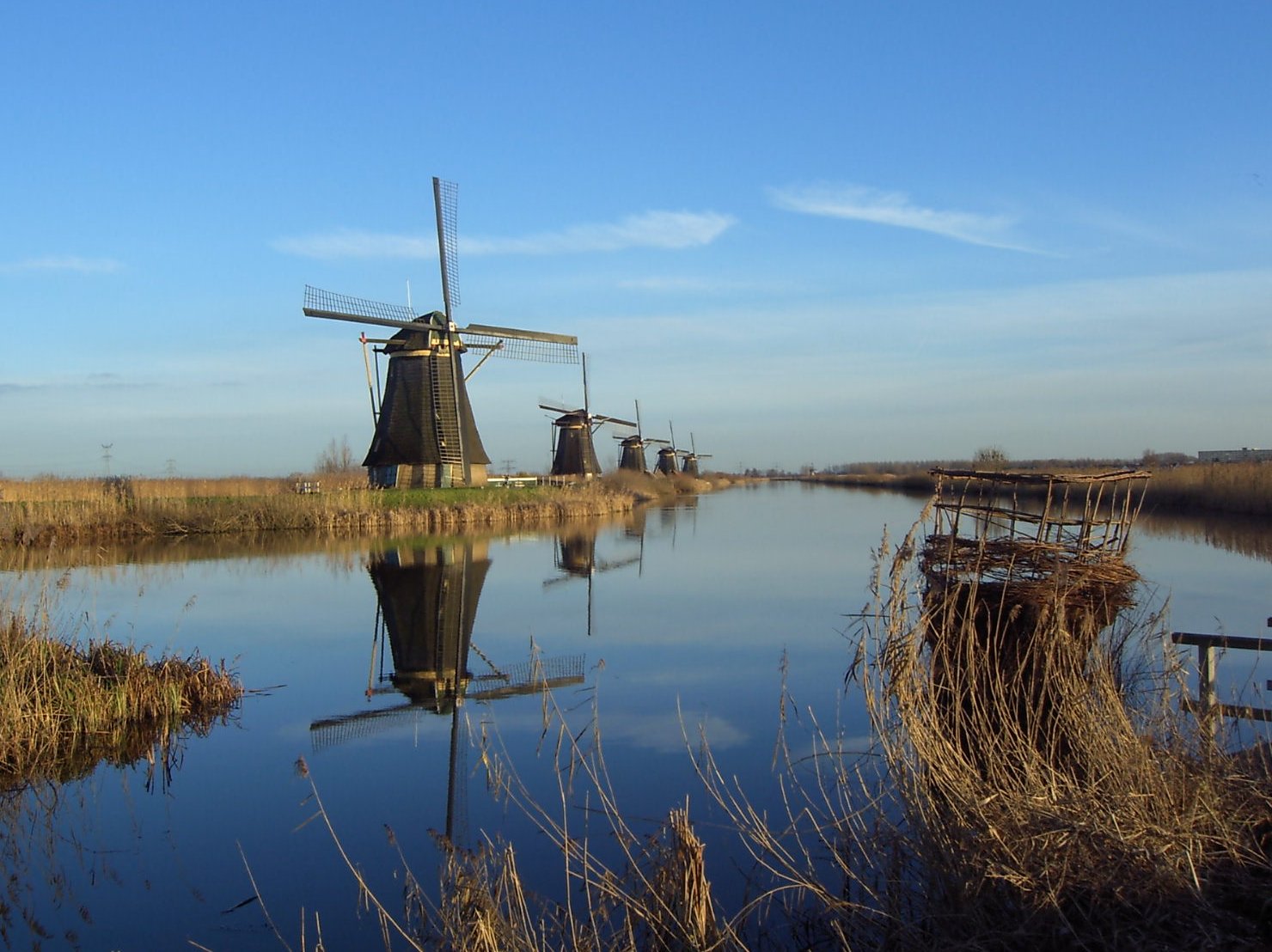
Real vehicles you can book
Tap a vehicle to see its photos, floorplan and live prices for your dates.
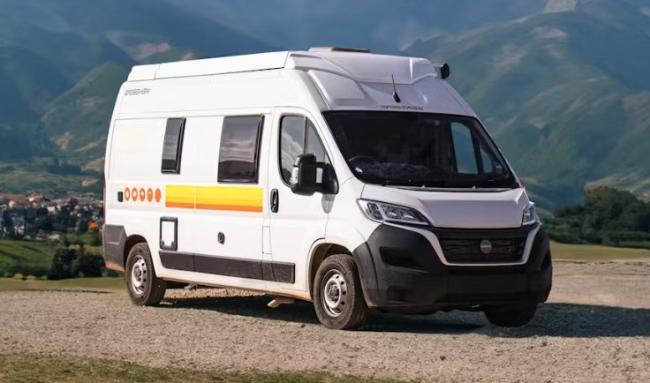
Indie Campers · Campervan · sleeps 2
Active Bunk
Best for: Couples
Check dates & prices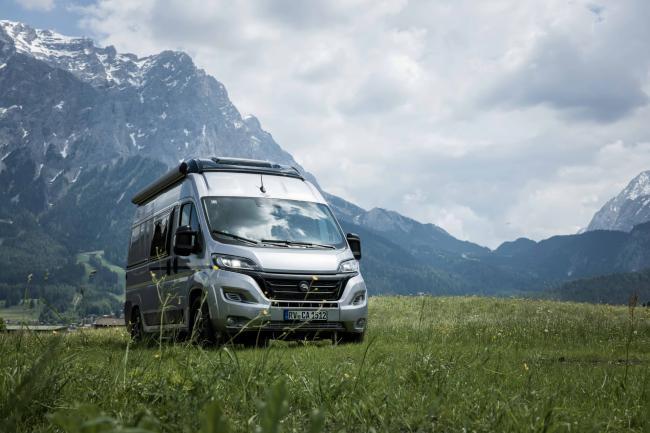
Touring Cars · Campervan · sleeps 2
Camp (2 pax) - Automatic
Best for: Couples
Check dates & prices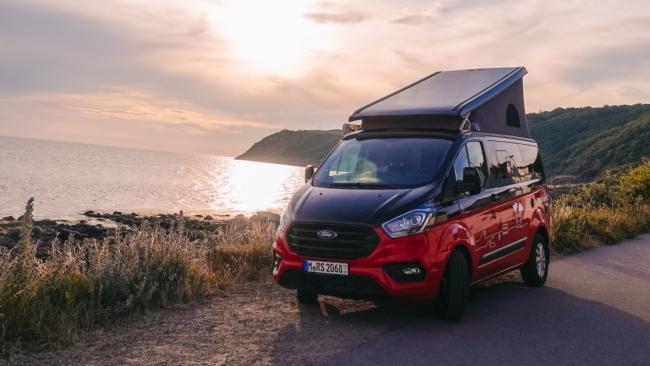
roadsurfer · Campervan · sleeps 2
Camper Cabin
Best for: Couples
Check dates & prices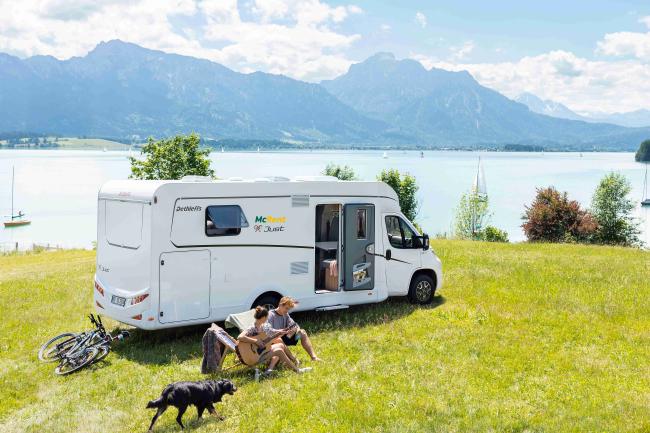
McRent Netherlands · Campervan · sleeps 2
Comfort Standard
Best for: Couples
Check dates & prices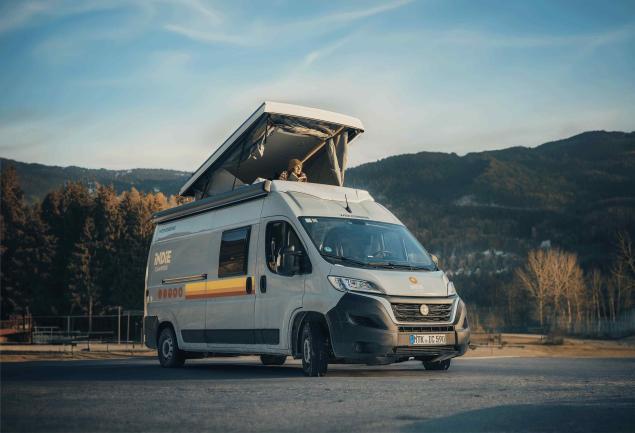
Indie Campers · Campervan · sleeps 2
Active Pop Top Auto Select
Best for: Couples
Check dates & prices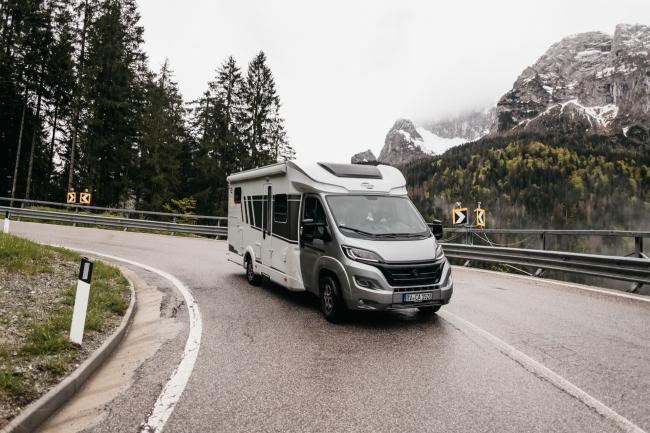
Touring Cars · Campervan · sleeps 2
Medium (4 pax) - Automatic
Best for: Couples
Check dates & pricesRental companies in Netherlands
We only list established fleets with their own vehicles. No peer-to-peer rentals and no paid rankings.

Indie Campers
A pan-European specialist with compact campervans and family coachbuilts, good for flexible road trips.
View fleet & profile →
McRent Netherlands
Europe's largest motorhome rental network, with modern Dethleffs and Sunlight motorhomes kept to strict factory standards.
View fleet & profile →

Touring Cars
A Nordic operator with established Dutch depots, offering clean, fully equipped motorhomes and a thorough handover.
View fleet & profile →

roadsurfer
A fleet of sleek campervans and compact motorhomes, well suited to Dutch town edges and country lanes.
View fleet & profile →
Where to pick up your campervan
North Holland & Amsterdam Region
Gateway to the capital, with historic fishing harbours and wide bulb fields to the north.
- Amsterdam →
- Amsterdam Airport Schiphol
South Holland & Coastal Randstad
Bold city architecture, coastal dune reserves and historic maritime waterways.
- Rotterdam →
- Rotterdam The Hague Airport
- The Hague →
Utrecht & Central Waterlands
The green heart of the country, with medieval moated castles, river corridors and woodlands.
- Amersfoort →
- Houten
- Utrecht →
Gelderland & Overijssel
Hanseatic river ports, dense Veluwe pine forests and inland waterways.
Brabant & Limburg
Rolling southern hills, Burgundy-style food and historic Roman river crossings.
Netherlands campervan map: pickups and highlights
Dark blue dots are pickup locations. Tap any other dot to see the nearest pickup and a rough drive time.
Netherlands pickup city guides
More European guides: Albania · Austria · Belgium · Bosnia · Bulgaria · Croatia · Czech Republic · Denmark · Estonia · Finland · France · Germany · Greece · Hungary · Iceland · Ireland · Italy · Latvia · Liechtenstein · Lithuania · Luxembourg · Macedonia · Monaco · Montenegro · Norway · Poland · Portugal · Romania · Serbia · Slovakia · Slovenia · Spain · Sweden · Switzerland
Top tip
Most Dutch campervan depots sit in industrial zones outside city centres or near rail hubs, not at the airport. Take an NS intercity train or a pre-booked taxi from Amsterdam Schiphol or Rotterdam Airport to reach your depot. Book an early afternoon collection slot, so you've time for the vehicle briefing and a supermarket shop before shops close around 20:00.
Trip cost calculator: fuel and campsites
Pick one of the road trips below or type your own distance to estimate fuel and overnight costs in EUR.
- Plan for (+20% detours)
- 504 km
- Fuel (66 litres)
- €121
- Campsites
- €280
- Fuel + campsites
- €401
Road fees: Motorways are free. Tolls apply only at the Westerscheldetunnel (€5 to €7.45) and Kiltunnel (€2 to €5).
Diesel costs around €1.75 to €1.95 a litre. Motorway services are pricier than unbranded supermarket pumps. Estimates only; rental price, insurance and any mileage charges are shown in your quote.
Why explore the Netherlands by campervan?
Few European countries suit a campervan as well as the Netherlands. Roads are well kept, signposting is easy to follow, and journeys between contrasting landscapes rarely take more than two hours. Wake up by the North Sea dunes in Zeeland, cycle past 18th-century windmills at Kinderdijk by midday, then settle into a quiet pitch near a Gelderland orchard by evening. Dutch camping culture is one of the most developed anywhere, with thousands of well-kept campsites, farm-based mini-campings, and dedicated municipal motorhome spots (camperplaatsen). Bikes are part of daily life here, so bring yours and ride straight into historic canal centres that vehicles can't reach. Short distances mean low fuel costs too, leaving more time for medieval towns, national parks and coastal nature reserves.
Which vehicle suits your group?
Compact Campervan — Solo travellers and couples who want easy parking and nimble handling in town.
- Built on van chassis such as the VW Transporter or Mercedes Vito.
- Pop-top roof beds give standing height and airflow, without raising the travelling height.
- Easy to manoeuvre round narrow canal ring roads and into standard car parks.
- Built-in kitchenettes with two-burner hobs and portable compressor cooler boxes.
High-Top Panel Van Conversion — Couples touring for two weeks or more, in any season.
- Fixed double bed at the rear, with garage storage for folding bikes.
- Enclosed wet room with cassette toilet and hot shower, for self-contained living.
- Insulated steel bodyshell, good for early-spring and late-autumn touring.
- Fits standard Dutch camperplaats bays, with full standing room inside.
Semi-Integrated / Low Profile Motorhome — Couples or small families who want more living space and dedicated luggage room.
- Coachbuilt body on a cab chassis, with a streamlined front.
- Fixed island or twin single beds, plus an electric drop-down double bed.
- Large rear garage that fits full-sized adult touring bikes.
- Fully equipped L-shaped kitchens and separate shower cubicles.
Alcove / Overcab Motorhome — Larger families or groups who need maximum berths and storage.
- Overcab double berth frees up the lounge for daily use.
- Equipped with bunk beds or a large transverse double at the rear.
- Several dining layouts and a full kitchen for family cooking.
- Watch height clearances under low rural railway bridges.
Best time to travel and weather
Spring (April to May)
- Tulip fields bloom across the Bollenstreek and Noordoostpolder.
- Daytime temperatures average 12°C to 17°C, with moderate rain and longer daylight.
- Book campsites well ahead for Keukenhof and Easter, demand is high.
Summer (June to August)
- The warmest months, with highs typically 20°C to 25°C.
- Coastal campsites in Zeeland and Texel fill up with watersports fans.
- Long evenings are great for outdoor dining at rural farm pitches.
Autumn (September to October)
- Golden foliage covers Hoge Veluwe National Park and the Utrechtse Heuvelrug forests.
- Fewer tourists, good cycling weather, and easy space at camperplaatsen.
- Cooler nights mean you'll need onboard heating, and Atlantic low-pressure systems can bring windy coastal weather.
Winter (November to March)
- The quiet low season, with daytime temperatures between 2°C and 7°C.
- Many rural campsites close from November to March, but camperplaatsen stay open all year.
- Good for museum visits and cultural tours, as long as your camper has winterised water tanks.
Classic Netherlands road trips
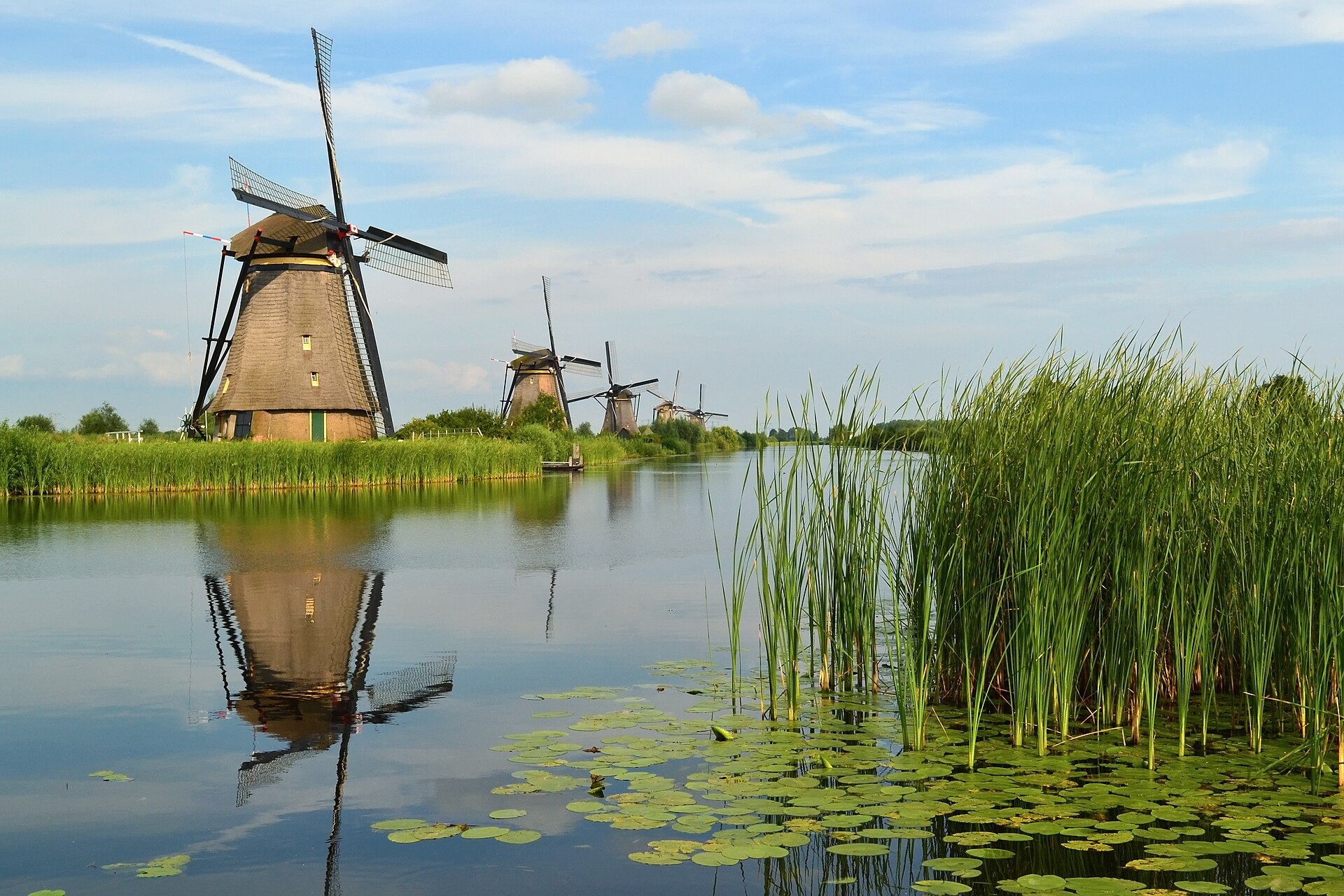
A circular route through maritime South Holland, the delta engineering of Zeeland, and Utrecht's leafy waterways.
Day 1: Amsterdam to Leiden via Keukenhof
Driving: 1h 15mSee: Historic bulb fields, Keukenhof floral displays, and Leiden's 17th-century canals.
Overnight: Camping de Lakens (Bloemendaal aan Zee)
Day 2: Leiden to The Hague & Delft
Driving: 0h 50mSee: Mauritshuis art museum, Peace Palace, and Delftware pottery workshops.
Overnight: Vakantiepark Delftse Hout (Delft)
Day 3: Delft to Kinderdijk & Rotterdam
Driving: 1h 10mSee: The UNESCO-listed 19 windmills of Kinderdijk and Rotterdam's avant-garde architecture.
Overnight: Camperplaats Kinderdijk (Alblasserdam)
Day 4: Rotterdam to Schouwen-Duiveland (Zeeland)
Driving: 1h 30mSee: Driving the Brouwersdam causeway, seal watching, and coastal dune walking.
Overnight: Camping Duin & Strand (Scharendijke)
Day 5: Zeeland to Willemstad & Biesbosch
Driving: 1h 20mSee: Fortified town ramparts of Willemstad and canoeing through De Biesbosch freshwater delta.
Overnight: Camperplaats De Biesbosch (Drimmelen)
Day 6: De Biesbosch to Utrecht
Driving: 1h 05mSee: Utrecht's sunken canal wharves, Dom Tower, and Kasteel de Haar.
Overnight: Camping Ganspoort / Stadscamping De Liesbosch (Utrecht)
Day 7: Utrecht back to Amsterdam
Driving: 0h 50mSee: Vecht river mansions, polder roads, and return to depot.
Overnight: Camping Zeeburg (Amsterdam)
Must-see
- Kinderdijk UNESCO windmill complex
- Deltapark Neeltje Jans storm barrier
- Kasteel de Haar near Utrecht
- Mauritshuis museum in The Hague
Free stops
- Strolling the North Sea beach boardwalk at Scheveningen
- Cycle past Kinderdijk's windmills on the public towpaths
- Walk the star-shaped ramparts of fortified Willemstad
Before you go
- Book Keukenhof tickets online in spring to guarantee parking.
- Carry coins or a debit card for small river ferry crossings.
- Wind hits hard on the Brouwersdam, so keep both hands on the wheel.
Where to stay overnight
- Wild camping is banned everywhere in the Netherlands. That includes sleeping overnight in your vehicle on public streets, in nature reserves, or in beach car parks.
- There's a large network of camperplaatsen (dedicated motorhome stopovers), run by marinas, farms or councils, usually with automated payment terminals.
- Mini-campings and SVR/VEKABO farm sites offer quiet pitches on working farms, often with modern facilities and fresh produce for sale.
- Standard campsites (campings) have full hookups, Wi-Fi, laundrettes and bike hire, but book ahead in peak summer and bulb season.
- Campercontact and Park4Night are the best apps for finding official motorhome bays and service points across the provinces.
- Carry a standard European CEE blue 3-pin hookup lead. Most Dutch campsites supply 6A to 10A electricity.
- Grey water and chemical cassettes must be emptied at proper disposal points, never into storm drains.
Driving rules and road quirks
- Drive on the right and overtake on the left.
- The national daytime speed limit on motorways (06:00 to 19:00) is 100 km/h for all vehicles under 3.5 tonnes.
- Between 19:00 and 06:00, motorway limits rise to 120 km/h, or 130 km/h where signposted, for vehicles under 3.5 tonnes.
- Motorhomes over 3.5 tonnes MAM are capped at 80 km/h on motorways and expressways, day and night.
- Built-up areas have a 50 km/h limit, often dropping to 30 km/h in residential zones and town centres.
- At unsignalised junctions, give way to traffic from the right, unless yellow diamond priority signs say otherwise.
- White triangles on the road ('haaientanden', or shark's teeth) mean give way to traffic on the crossing road.
- Cyclists have strong right-of-way. Check your blind spots before crossing red cycle lanes (fietspaden).
- Dutch motorways are toll-free, except for the Westerscheldetunnel in Zeeland and the Kiltunnel near Dordrecht.
- The blood alcohol limit is 0.05% for experienced drivers and 0.02% for new drivers with under five years' experience.
Typical touring costs in the Netherlands
Touring costs here sit mid-to-high, similar to Germany and Belgium. Self-catering from supermarkets and sticking to camperplaatsen keeps daily costs down.
| Camperplaats overnight pitch (no electric) | €12 to €18 |
|---|---|
| Full-facility coastal campsite pitch | €28 to €48 |
| Diesel fuel per litre | €1.75 to €1.95 |
| Westerscheldetunnel toll (campervan) | €5 to €7.45 |
| Bicycle hire per day | €10 to €15 |
| Museum entry ticket (adult) | €15 to €22 |
| Mid-range restaurant dinner per person | €25 to €45 |
Low Emission Zones (Milieuzones)
Several major Dutch cities run environmental zones (milieuzones) to cut diesel emissions. These mainly target commercial vehicles, but motorhome owners should still check the rules.
- Amsterdam, Rotterdam, The Hague and Utrecht all run milieuzones in their city centres.
- Passenger diesel campers (M1 category) are usually exempt from truck bans, but older diesel commercial conversions (N1 category) face tougher restrictions.
- Check your vehicle's emissions category and registration on Milieuzones.nl before driving into a city.
- Park-and-Ride (P+R) sites near the outer ring roads offer secure camper parking with fast tram or train links into the centre.
- ANPR cameras watch the city boundaries and issue automatic fines to vehicles that don't comply.
Day 1: first-timer checklist
- Check the bodywork, windows and roof at collection. Note any existing marks on the check sheet.
- Check you've got a warning triangle, hi-vis vests, tyre repair kit and first-aid pack.
- Get a demo of the gas shut-offs, fresh and waste water levers, and the heating control panel.
- Stock up at a big supermarket like Albert Heijn XL or Jumbo: bottled water, groceries and eco toilet chemical fluid.
- Adjust your side mirrors for a clear view down both sides. Watch for the bigger blind spot over your right shoulder.
- Keep your first drive under 60 km to get a feel for the brakes and steering before your first campsite.
- Level up with ramps, plug in the 230V mains cable, and check the leisure battery is charging.
Must-do and must-try in Netherlands
Iconic Dutch Road Trip Highlights
- Drive the 32-km Afsluitdijk causeway, between the Wadden Sea and the IJsselmeer.
- Cycle the car-free coastal routes through the dunes in Nationaal Park Zuid-Kennemerland.
- Watch the sunset over the nineteenth-century windmills reflected in the canals at Kinderdijk.
- Hire a whisper-boat and glide past the thatched farmsteads of Giethoorn.
- Wander the royal courtyards and the Mauritshuis museum in The Hague.
Must-Try Dutch Cuisine
- Haring: raw soused herring, served with diced onion and gherkins from a street kiosk.
- Stroopwafels: warm, thin waffles pressed together with gooey spiced caramel syrup.
- Bitterballen: crispy fried ragout meatballs, served hot with sharp Dutch mustard at canal-side cafes.
- Limburgse Vlaai: sweet pastry tart filled with cherries, stewed apples or custard.
- Gouda and Edam Boerenkaas: raw-milk farmhouse cheeses, bought straight from the dairy farms.
Hidden Gems and Practical Wonders
- See the 5,000-year-old megalithic stone dolmens (Hunebedden) in quiet Drenthe.
- Take the passenger ferry to car-free Schiermonnikoog for miles of sandy beach.
- Visit Bourtange, a star-shaped fortress village near the German border, restored to its 1742 look.
- Try the Trappist ales brewed on site at Koningshoeven Abbey near Tilburg.
Local apps and emergency numbers
- Dial 112 for police, ambulance or fire, anywhere in the Netherlands.
- Bring your full national driving licence. UK, EU and EEA photocard licences work without an International Driving Permit.
- Get the Campercontact app for the best directory of Dutch camperplaatsen, with reviews and facility updates.
- Get the Flitsmeister app too. It's what locals use for traffic alerts, lane closures and speed camera warnings.
- Carry a contactless debit or credit card. Many parking meters and petrol stations don't take cash any more.
- Bring a compact bike, or hire one with your camper. The Netherlands runs on bicycles.
- Pack a 10-metre food-grade water hose with a few screw-thread adaptors for campsite taps.
Official live links
- Holland.com — The official tourism board site: regional guides, events and culture.
- Rijkswaterstaat — National infrastructure authority: live highway reports, bridge opening times and roadworks.
- Milieuzones.nl — Official government site covering low emission zones and access rules across Dutch towns and cities.
- NS Dutch Railways — National train timetable and tickets, handy for day trips from a park-and-ride base.
- ANWB — The Royal Dutch Touring Club: breakdown cover info and touring advice.
Netherlands campervan FAQs
Is wild camping permitted anywhere in the Netherlands?
No. Wild camping is banned everywhere in the Netherlands. You can only stay overnight on designated campsites (campings) or official motorhome bays (camperplaatsen). Police and local wardens enforce this, and parking overnight in car parks, streets or dunes can mean a hefty fine.
What driving licence do I need to hire a campervan in the Netherlands?
A standard category B licence, held for at least a year (often two or three, depending on the supplier's insurance), covers any motorhome up to 3,500 kg MAM. For anything over 3.5 tonnes, you'll need a category C1 licence.
Do I need an International Driving Permit (IDP)?
If your licence is from the UK, EU or EEA, you don't need an IDP. Licences from Australia, New Zealand, Canada or the USA usually don't need one either, as long as they're printed in English or come with an official translation. Still, it's worth carrying an IDP 1949 or 1968 format just to avoid any confusion.
Are there toll roads in the Netherlands?
Dutch motorways are toll-free for cars and campervans. The only two toll tunnels are the Westerscheldetunnel (linking South Beveland to Zeeuws-Vlaanderen in Zeeland) and the Kiltunnel near Dordrecht in South Holland. Both take card payments.
Can I drive a motorhome into Amsterdam or Rotterdam city centres?
It's not banned, but it's not a good idea. Narrow streets, low bridges, heavy bike traffic and pricey parking make the historic centres hard going. Park instead at an outer camperplaats, a campsite like Camping Zeeburg, or a suburban P+R, then take the tram or metro in.
What are the daytime motorway speed limits for motorhomes?
From 06:00 to 19:00, the motorway limit is 100 km/h for vehicles up to 3.5 tonnes. From 19:00 to 06:00, this rises to 120 km/h or 130 km/h where signposted. Over 3.5 tonnes, it's 80 km/h on motorways at all times.
Do I need to carry winter tyres in the Netherlands?
Winter tyres aren't a legal requirement in the Netherlands at any time of year. But if you're crossing into Germany or Belgium in winter, you'll need to meet their winter tyre rules (tyres marked with the 3PMSF alpine symbol).
How do Dutch drawbridges work on regional roads?
The Netherlands has hundreds of movable bridges over its canals and rivers. When the lights flash red and the barriers come down, stop behind the line. Bridges usually open for just a few minutes to let boats through, so sit tight with the handbrake on until the barriers lift and the lights go off.
How does the Price Beat Guarantee work?
Find a lower price and we'll beat it. The quote must be for the same vehicle from the same supplier, with identical depots, dates and times, matching inclusions, mileage and excess options, and be live and verifiable before you book. Conditions apply — see our terms.