
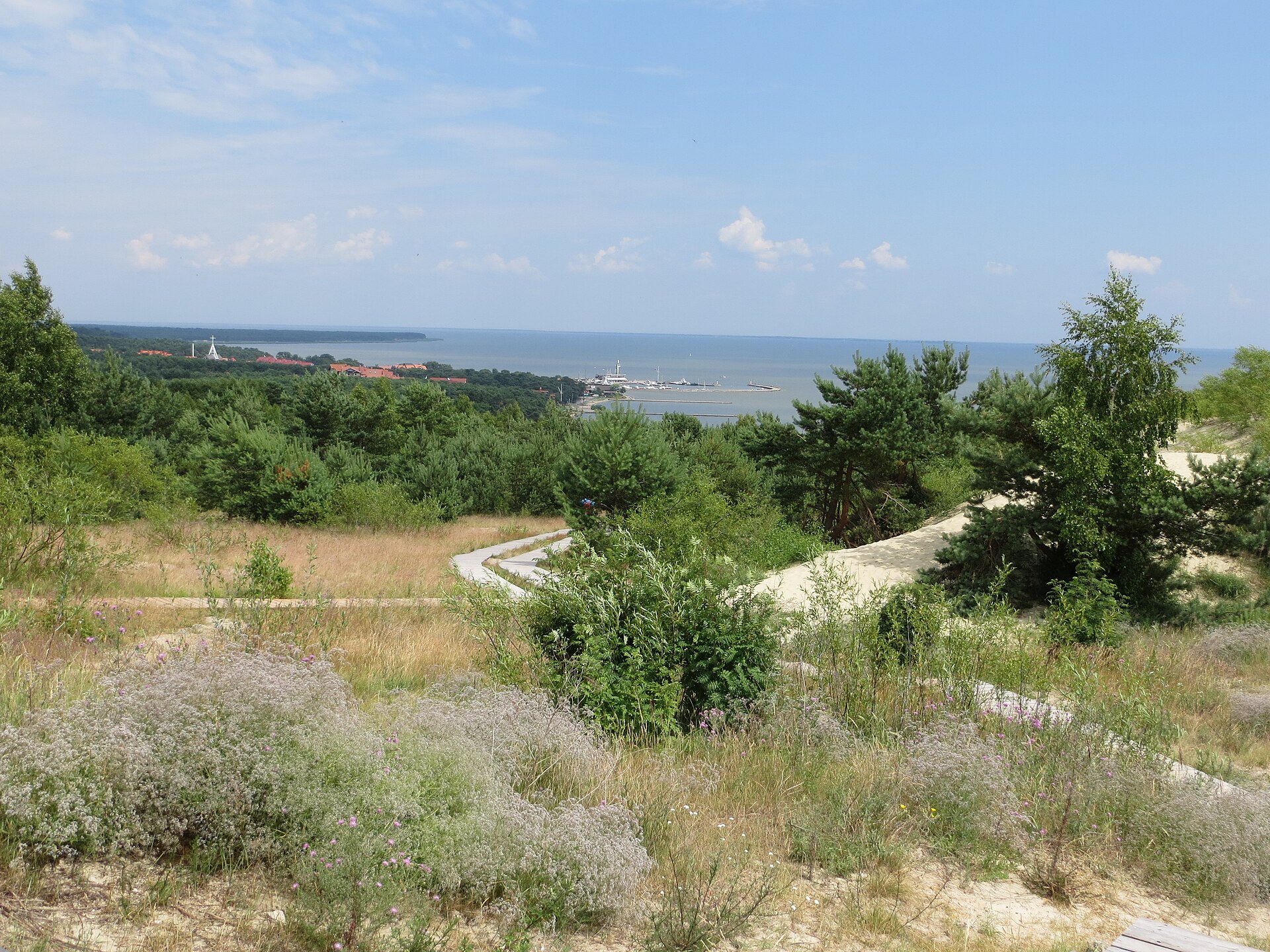
Real vehicles you can book nearby in Poland
Tap a vehicle to see its photos, floorplan and live prices for your dates.
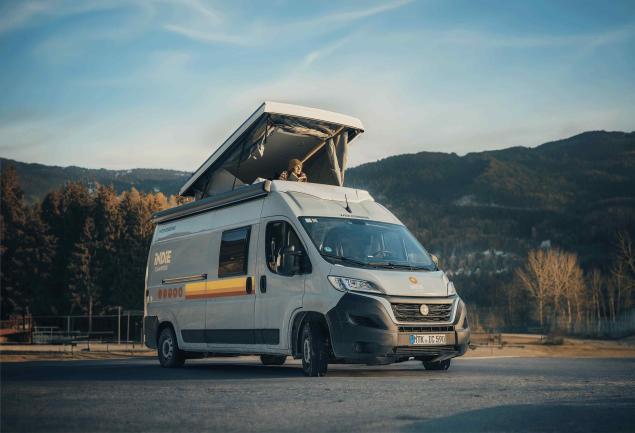
Indie Campers · Campervan · sleeps 2
Active Pop Top Manual
Best for: Couples
Check dates & prices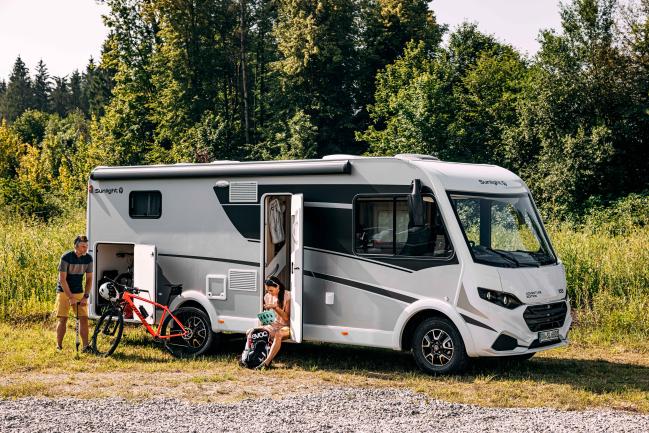
McRent Poland · Campervan · sleeps 2
Comfort Luxury
Best for: Couples
Check dates & prices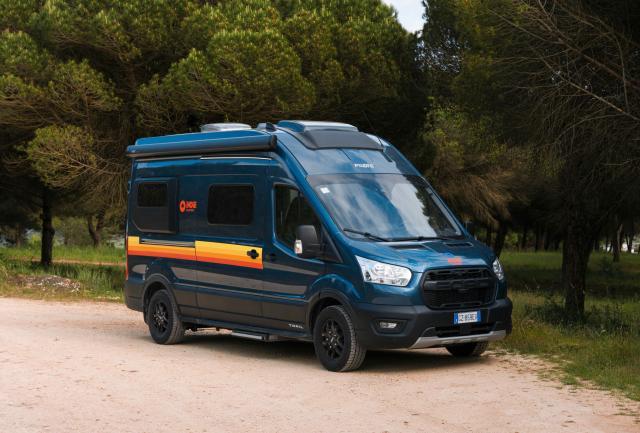
Indie Campers · Campervan · sleeps 2
Active Standard 2 Manual Select
Best for: Couples
Check dates & prices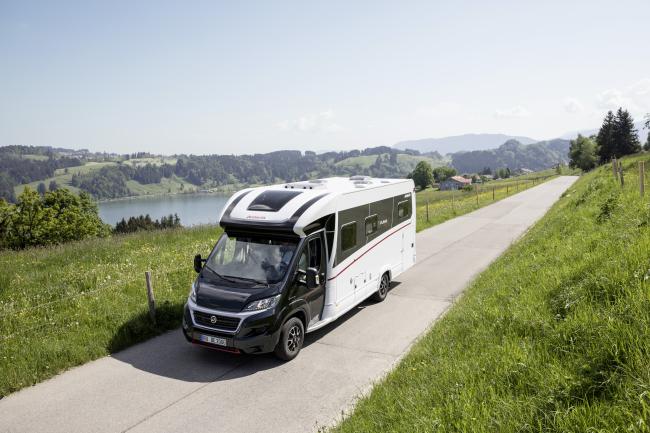
McRent Poland · Campervan · sleeps 2
Comfort Plus
Best for: Couples
Check dates & prices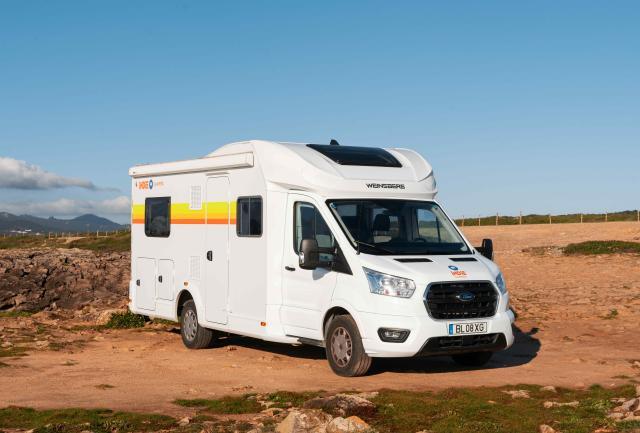
Indie Campers · Campervan · sleeps 2
Comfort Standard Auto Select
Best for: Couples
Check dates & prices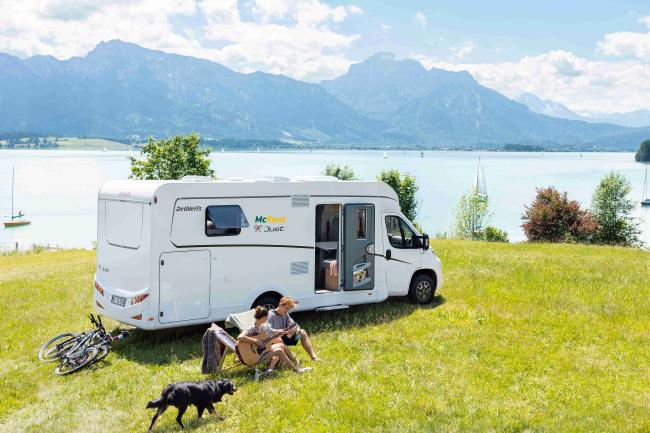
McRent Poland · Campervan · sleeps 2
Comfort Standard
Best for: Couples
Check dates & pricesRental companies in Lithuania
We only list established fleets with their own vehicles. No peer-to-peer rentals and no paid rankings.
Where to pick up your campervan
Baltic Coast & Western Lithuania
Your gateway to the UNESCO-listed Curonian Spit, Baltic beaches and maritime waterways.
Vilnius & Eastern Lithuania
Home to historic grand duchies, baroque architecture and the pine lakelands of Aukštaitija.
Lithuania campervan map: pickups and highlights
Dark blue dots are pickup locations. Tap any other dot to see the nearest pickup and a rough drive time.
Lithuania pickup city guides
More European guides: Albania · Austria · Belgium · Bosnia · Bulgaria · Croatia · Czech Republic · Denmark · Estonia · Finland · France · Germany · Greece · Hungary · Iceland · Ireland · Italy · Latvia · Liechtenstein · Luxembourg · Macedonia · Monaco · Montenegro · Netherlands · Norway · Poland · Portugal · Romania · Serbia · Slovakia · Slovenia · Spain · Sweden · Switzerland
Top tip
Vilnius depots sit close to the international airport and major motorways, so collection is easy for eastern or central routes. Klaipėda depots are a good starting point for a quick ferry across to the Curonian Spit, or for heading north into coastal Samogitia.
Trip cost calculator: fuel and campsites
Pick one of the road trips below or type your own distance to estimate fuel and overnight costs in EUR.
- Plan for (+20% detours)
- 1,104 km
- Fuel (144 litres)
- €222
- Campsites
- €230
- Fuel + campsites
- €452
Road fees: Passenger motorhomes under 3.5t don't need a road vignette. Tolls only apply to vehicles over 3.5t or N1 category commercial registrations.
Diesel prices are much the same across major chains like Circle K, Neste and Viada, though unmanned stations are slightly cheaper. Estimates only; rental price, insurance and any mileage charges are shown in your quote.
Why choose Lithuania for a motorhome holiday?
Lithuania is one of Europe's most accessible, uncrowded campervan destinations. It covers roughly 65,000 square kilometres, so distances are short. You can drive from Vilnius's baroque old town to the sand dunes of the Curonian Spit in half a day. Roads are modern, with dual carriageways and clear signposting. The State Forest Enterprise manages hundreds of free wilderness recreation sites, with fire pits, shelters and dry toilets. Trakai Island Castle and the Hill of Crosses are both easy to reach, with plenty of campervan parking. Travel off-peak for quiet roads, low site fees and warm welcomes at family-run homesteads and coastal aires.
Which vehicle suits your group?
Compact Campervan — Good for solo travellers and couples who want easy parking and manoeuvring.
- Built on standard van wheelbases, such as the VW Transporter or Fiat Talento.
- Fits into standard European car parking bays and city centres.
- Comes with a basic gas burner stove, pop-top roof and leisure battery.
- Uses less fuel on rural B-roads and costs less on the Smiltynė ferry.
Two-Berth Panel Van Conversion — Good for couples who want a proper washroom on board.
- Usually six metres long, built on a Fiat Ducato or Peugeot Boxer chassis.
- Has a cassette toilet, hot water shower and fixed double bed.
- Carries fresh and grey water tanks, good for multi-day wild camping.
- Easy to drive through narrow coastal villages like Nida and Juodkrantė.
Low-Profile Semi-Integrated Motorhome — Good for small families or couples who want more living space and storage.
- Aerodynamic body with a fixed rear bed and electric drop-down front berth.
- Large rear garage for bikes and outdoor furniture.
- Full kitchen with a large three-way fridge and multi-burner hob.
- Better fuel economy on motorways than traditional overcab models.
Overcab Family Coachbuilt — Good for larger families or groups of four to six who want separate sleeping areas.
- Double bed above the driver's cab.
- Central dinette converts into extra berths.
- High payload capacity and high ceiling throughout.
- Watch height restrictions under low rural railway bridges.
Best time to travel and weather
Spring (April to May)
- Temperatures range from 8°C to 18°C, as forests and meadows come into leaf.
- Campsites start reopening in April, and major sights stay quiet.
- Night frosts can linger into early May, so you'll need onboard heating.
Summer (June to August)
- Warm, long days, with highs averaging 20°C to 26°C.
- Book ahead for Baltic coastal sites and Curonian Spit parking.
- Midsummer (Joninės) brings folk celebrations, open-air festivals and lively lake camping.
Autumn (September to October)
- Mushroom foraging season turns the national parks' woods gold.
- Daytime temperatures average 10°C to 16°C, and coastal winds pick up.
- Many rural campsites cut back facilities by mid-October, so a self-contained van helps.
Winter (November to March)
- Sub-zero temperatures and heavy snow mean you need a winterised motorhome with insulated tanks.
- Winter tyres are compulsory on all Lithuanian roads from 10 November.
- Few commercial campsites stay open, so you'll rely mostly on urban aires and fuel stations for servicing.
Classic Lithuania road trips
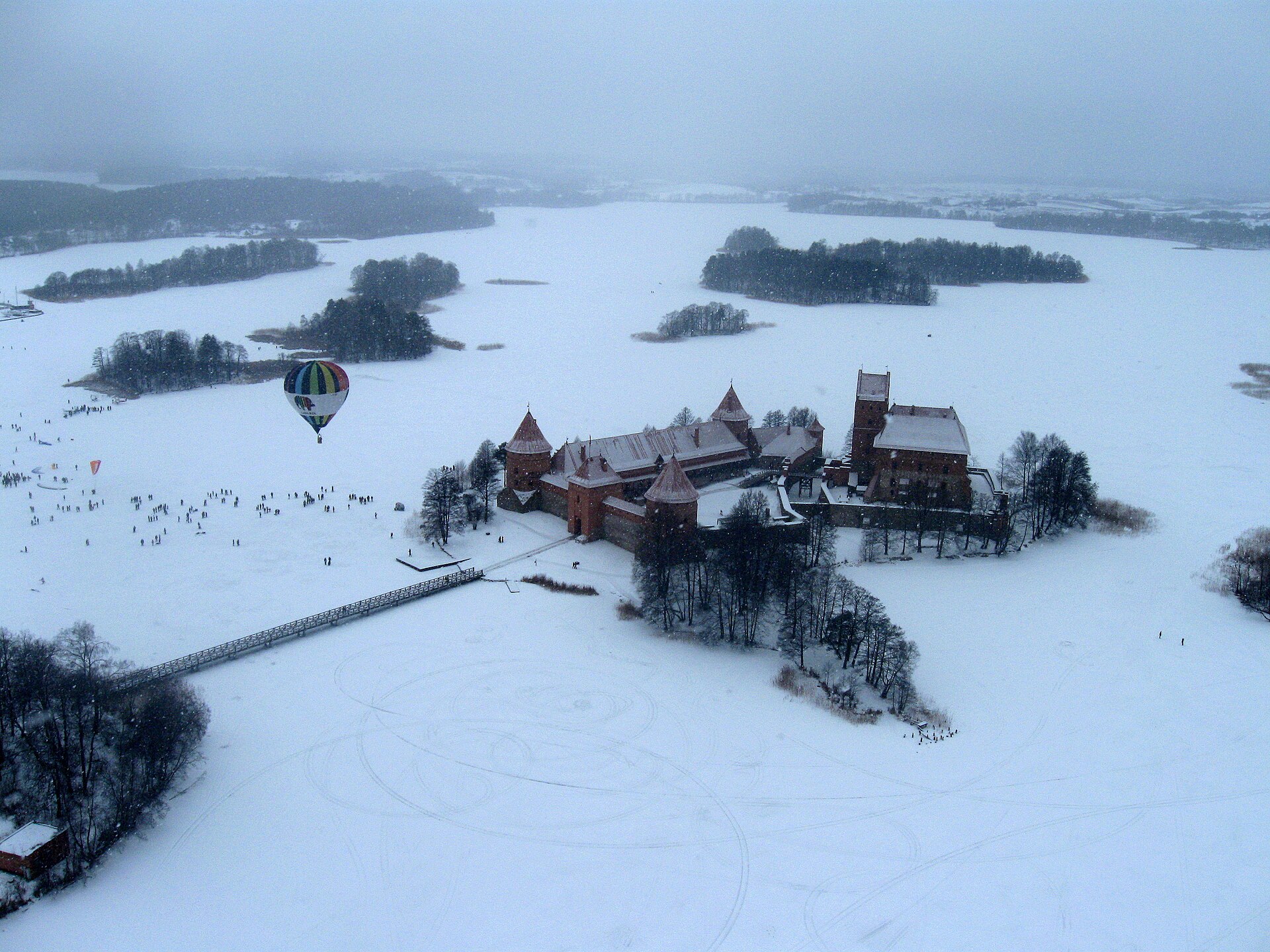
A circular route linking the baroque capital with the Baltic coast, taking in island fortresses, sacred hills and national parks.
Day 1: Vilnius → Trakai
Driving: 0h45See: Tour Vilnius's historic centre, then drive west to the red-brick Trakai Island Castle on Lake Galvė.
Overnight: Kempingas Slėnyje
Day 2: Trakai → Kaunas
Driving: 1h15See: Drive the A1 to Kaunas to see its modernist interwar architecture and the medieval castle at the river confluence.
Overnight: Kaunas Camp Inn
Day 3: Kaunas → Klaipėda
Driving: 2h20See: Follow the Panemunė castle route along the Nemunas River, then join the motorway to the port of Klaipėda.
Overnight: Klaipėda City Camping
Day 4: Klaipėda → Nida (Curonian Spit)
Driving: 1h30See: Board the Smiltynė vehicle ferry, pay the ecological entry fee, and drive down the spit past the Dead Dunes to Nida.
Overnight: Nidos Kempingas
Day 5: Nida → Palanga
Driving: 1h45See: Take the ferry back to the mainland and drive north to Palanga to walk the sea pier and visit the Amber Museum estate.
Overnight: Campung Parkas Palanga
Day 6: Palanga → Šiauliai (Hill of Crosses)
Driving: 1h50See: Head inland into Samogitia to visit the Hill of Crosses, a pilgrimage site holding hundreds of thousands of crosses.
Overnight: Grafo Zubovo Campsite
Day 7: Šiauliai → Anykščiai
Driving: 1h40See: Travel east to the pine forests of Anykščiai to walk the treetop walkway and visit the narrow-gauge railway museum.
Overnight: Po Žvaigždėtu Dangum Campsite
Day 8: Anykščiai → Vilnius
Driving: 1h20See: Finish the loop south via Kernavė, a UNESCO World Heritage site with medieval defensive hill forts.
Overnight: Vilnius City Camping
Must-see
- Trakai Island Castle illuminated over Lake Galvė
- The haunting collection of crosses at Šiauliai
- Parnidis Dune sundial, overlooking the Baltic and the Curonian lagoon
- Kernavė archaeological hill fort complex
Free stops
- Hill of Crosses pilgrimage paths and visitor monument
- Panemunė Castle viewing grounds and river meadows
- Kernavė defensive mound walking trails
Before you go
- Time your Klaipėda ferry crossing outside peak morning hours to dodge freight queues.
- Stock up in bigger towns like Kaunas or Šiauliai. Village shops have limited supplies.
- Get a local museum pass if you're visiting several state castle sites.
Where to stay overnight
- You can wild camp in a motorhome on state forest land managed by the State Forest Enterprise, as long as you park at designated recreation sites (poilsiavietės) or on public roads without blocking forestry access.
- Wild camping and overnight parking outside official campsites is banned in strict nature reserves, national park preservation zones, and anywhere on the Curonian Spit.
- Official campsites are well-equipped, with modern shower blocks, laundry, Wi-Fi and 16A electrical hookups. Expect to pay roughly €18 to €30 a night for two people and a van.
- Many rural homesteads (Kaimo turizmas) have motorhome pitches on site, often with wood-fired saunas, boat rentals and home-cooked breakfasts.
- Municipal motorhome aires (Stellplatz) can be found in towns like Kaunas, Vilnius and Anykščiai, with barrier-controlled entry, fresh water and black-waste dump stations.
- Park4Night and iOverlander are kept up to date by travelling campervans in Lithuania, with verified spots for forest recreation areas and free coastal stopovers.
- Open campfires are only allowed in concrete or stone fire rings at marked forestry rest sites. Check regional fire hazard alerts during dry summer spells.
Driving rules and road quirks
- Drive on the right and overtake on the left.
- Keep dipped headlights or daytime running lights on at all times, day and night, all year round.
- Speed limits for motorhomes under 3.5 tonnes: 50 km/h in towns, 90 km/h on rural roads (paved or unpaved), 110 km/h on expressways (100 km/h from Nov to Mar), and 130 km/h on motorways (110 km/h from Nov to Mar).
- Motorhomes over 3.5 tonnes are limited to 50 km/h in towns, 80 km/h on rural roads, and 90 km/h on expressways and motorways.
- No road vignette needed for private campervans under 3.5 tonnes registered as category M1 on national highways (A1–A18).
- Motorhomes registered as commercial (N1) or over 3.5 tonnes need an electronic vignette from keliumokestis.lt.
- The blood alcohol limit is 0.04%. If you've held your licence under two years, or you're driving anything over 3.5 tonnes, it's 0.00%.
- Winter tyres are compulsory from 10 November to 1 April. Studded tyres are allowed from 1 November to 9 April, but you need a triangular warning sticker on the rear.
- A valid UK or European licence works fine. If your licence isn't in Latin script, bring an International Driving Permit too.
- Low emission zones are rare here. Central Vilnius runs a loop system to cut through-traffic, so follow the parking signs closely.
Typical Touring Costs in Lithuania
Lithuania is one of the best-value motorhome destinations in the EU, with cheap eats, low camping fees and affordable museums.
| Commercial campsite pitch (2 adults + van + electric) | roughly €20 to €32 per night |
|---|---|
| Municipal motorhome aire / Stellplatz | roughly €12 to €18 per night |
| Diesel fuel per litre | typically €1.45 to €1.65 |
| Smiltynė ferry to Curonian Spit (return campervan ticket) | roughly €22 to €35 depending on vehicle length |
| Curonian Spit environmental entry fee (car/camper) | roughly €30 in summer (€5 in off-season) |
| Two-course casual dinner with local drink | roughly €14 to €22 per person |
| Forestry campsite with dry toilet and fire ring | Free |
Border Formalities, Ferries, and Personal Safety
Borders with Latvia and Poland are open under Schengen, but Belarus and Kaliningrad (Russia) are tightly controlled.
- No routine passport checks crossing into Poland or Latvia, though spot checks happen. Keep your passport and V5C handy.
- Never drive into Belarus or Kaliningrad. Rental insurance doesn't cover non-EU/EEA territory.
- Stay well clear of the fenced border zones near Belarus and Kaliningrad. Stopping or photographing border infrastructure can mean heavy fines.
- Ferries run regularly from Klaipėda to Kiel (Germany) and Karlshamn (Sweden), handy if you're combining Lithuania with a wider European trip.
- Lithuania is very safe, with low rates of violent crime. Just lock your van and keep valuables out of sight when parked in busy city centres.
Day 1: first-timer checklist
- Check the V5C (or equivalent) confirms the vehicle is category M1. That's what gets you toll-free driving on the highways.
- Check you've got a spare wheel or puncture kit, hi-vis vests for everyone, a warning triangle, and a certified fire extinguisher.
- Test the water pump, toilet flush, waste valves and water gauges before you set off.
- Check the gas regulator and LPG levels, then test the cooktop and water heater.
- Check the heating (Truma gas/diesel or Webasto) works well, especially if you're collecting in spring or autumn.
- Stock up near the depot at Maxima, Rimi or Iki for water, food and basics.
- Keep night one easy and close by: Trakai or Kaunas from Vilnius, or Seaside Regional Park from Klaipėda.
Must-do and must-try in Lithuania
Must-Do Highlights
- Climb the shifting white dunes of Nagliai Nature Reserve on the Curonian Spit, right above the sea.
- Hire a canoe and paddle across Lake Galvė for a clear sunset view of Trakai's red-brick castle.
- Add your own wooden cross or just wander the Hill of Crosses near Šiauliai.
- Walk the baroque old town of Vilnius (UNESCO-listed) and cross into the arty Republic of Užupis.
- Walk the canopy walkway at Anykščiai Regional Park for a view over the Šventoji River valley.
Must-Try Local Foods
- Cepelinai: grated potato dumplings stuffed with pork or curd, topped with bacon bits and sour cream.
- Šaltibarščiai: cold beetroot soup with kefir, dill and cucumber, served with hot boiled potatoes.
- Kibinai: crescent-shaped pastries filled with mutton or beef and onion. A Trakai speciality.
- Kepta Duona: fried rye bread with garlic and melted cheese. A pub classic.
- Šakotis: a spit cake baked over an open flame into spiky branch shapes, good with coffee.
Authentic Regional Culture
- Try a real Lithuanian black sauna (Pirtis), with birch whisking (vantos) and a dip in a cold lake.
- Browse the seaside markets for Baltic amber jewellery and raw healing stones.
- Join St. John's Day (Joninės) on 23 June: flower crowns on the water, bonfires, and old pagan songs.
- Visit beekeepers in Aukštaitija for raw linden blossom honey straight from the hive.
Local apps and emergency numbers
- Dial 112 anywhere in Lithuania for police, ambulance or fire.
- Campsites use standard CEE blue 3-pin plugs. Bring a Euro two-pin Schuko adaptor too.
- Pack a food-grade water hose and a few universal tap connectors for aires and service points.
- Tap water is safe to drink everywhere. It comes from deep underground aquifers.
- Handy apps: Park4Night for stopovers, m.Ticket or Trafi for city transit, and Waze for road conditions.
- Cards work almost everywhere, but carry some cash for rural farm stands and firewood.
Official live links
- Lithuania Travel Official Tourism Portal — Official tourism directory with regional itineraries, national parks and campsite listings.
- E-Vignette & Toll Payment (Kelių naudotojo mokestis) — Official site for checking toll categories and buying vignettes for commercial or heavy motorhomes.
- State Forest Enterprise (Valstybinių miškų urėdija) — Details on state forest recreation areas, wilderness shelters and campfire rules.
- Smiltynė Ferry Terminal (Smiltynės perkėla) — Live ferry times, passenger info and fares for the Klaipėda to Curonian Spit crossing.
- Lithuanian Road Traffic Information (Eismo info) — State road network service with live traffic, winter road clearance and roadworks.
Lithuania campervan FAQs
Do I need to pay road tolls for my motorhome in Lithuania?
If your campervan is category M1 and under 3.5 tonnes, no vignette needed, motorways are free. If it's commercial (N1) or over 3.5 tonnes, buy an electronic vignette at keliumokestis.lt before using A-class highways.
Is wild camping allowed with a campervan in Lithuania?
You can wild camp in state forests at designated spots (poilsiavietės) or public pull-offs, as long as you don't block tracks. Don't camp in strict nature reserves, national park zones, or anywhere on the Curonian Spit, where you must use official sites only.
Can I drive my rental campervan onto the Curonian Spit?
Yes. Take the regular car ferry from Klaipėda to Smiltynė, run by Smiltynės perkėla. Driving south from the port, you'll hit the Alksnynė control post where you pay an ecological entry fee. Overnight stays are only allowed at Nidos Kempingas or designated municipal aires.
What is the blood alcohol driving limit in Lithuania?
The limit is 0.04% for standard drivers. If you've held your licence under two years, or you're driving over 3.5 tonnes, it's 0.00%.
Are motorhome headlights required during the daytime?
Yes. Dipped headlights or daytime running lights must stay on at all times, day and night, year-round, on all public roads.
Can I drive the rental campervan into Latvia or Poland?
Yes. Both are EU and Schengen members, so there's no routine passport control at the border. Tell your rental supplier in advance so your breakdown cover still applies, and never drive into Belarus or Kaliningrad.
What are the winter tyre rules for motorhomes in Lithuania?
All vehicles, including campervans, need winter tyres (marked M+S, 3PMSF, or winter profile with at least 3mm tread) from 10 November to 1 April. Summer tyres aren't legal in this window.
How easy is it to find waste disposal points for campervans?
Most campsites and municipal aires have grey and black water disposal. Several service stations on the A1 (Vilnius–Klaipėda) and A2 also have automated disposal points and fresh water taps.
How does the Price Beat Guarantee work?
Find a lower price and we'll beat it. The quote must be for the same vehicle from the same supplier, with identical depots, dates and times, matching inclusions, mileage and excess options, and be live and verifiable before you book. Conditions apply — see our terms.