Real vehicles you can book
Tap a vehicle to see its photos, floorplan and live prices for your dates.
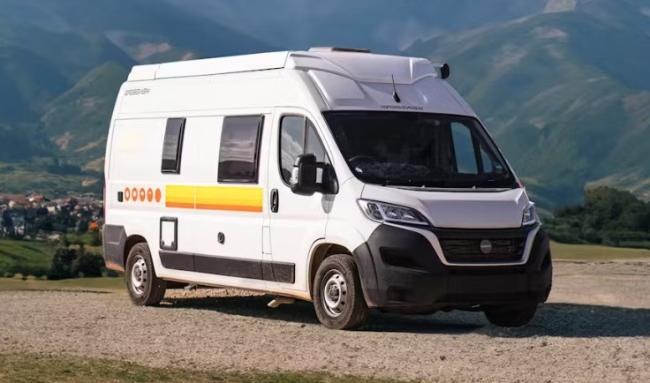
Indie Campers · Campervan · sleeps 2
Active Bunk
Best for: Couples
Check dates & prices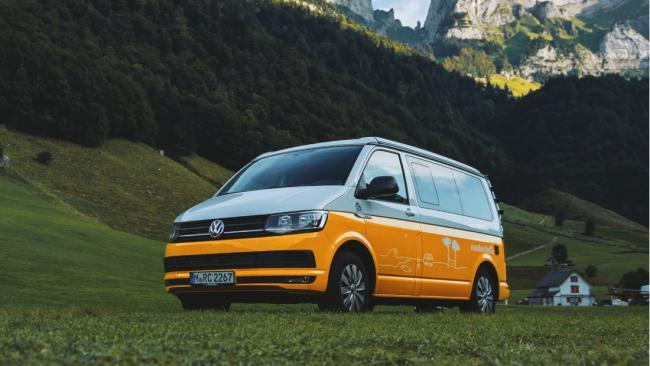
roadsurfer · Campervan · sleeps 2
Beach Hostel
Best for: Couples
Check dates & prices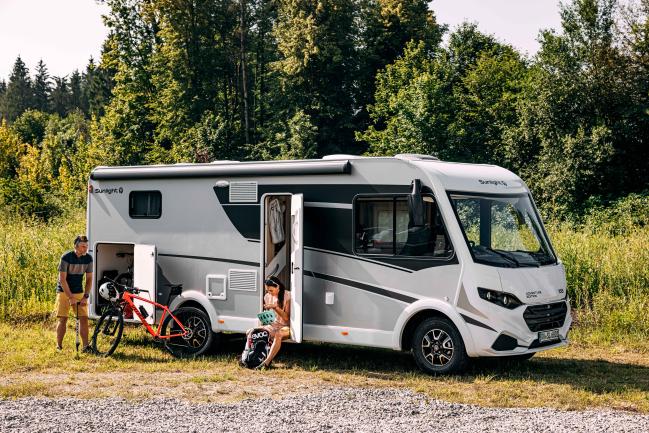
McRent Switzerland · Campervan · sleeps 2
Comfort Luxury
Best for: Couples
Check dates & prices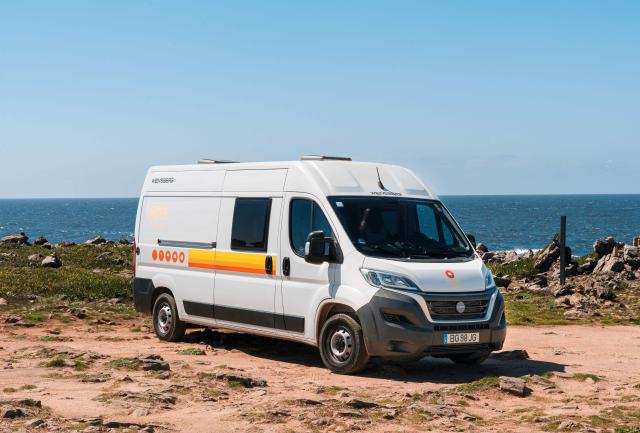
Indie Campers · Campervan · sleeps 2
Active Bunk Select
Best for: Couples
Check dates & prices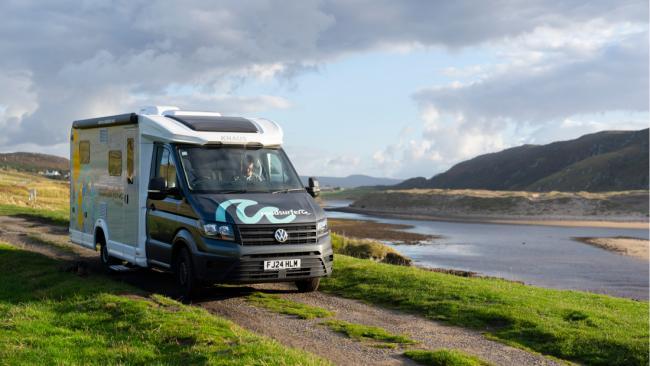
roadsurfer · Campervan · sleeps 2
Cozy Cottage
Best for: Couples
Check dates & prices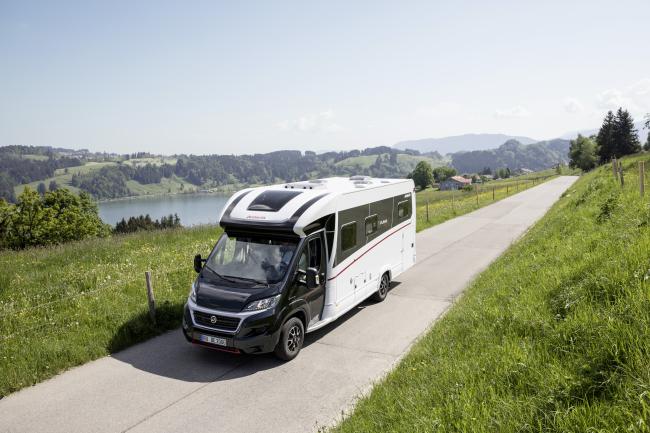
McRent Switzerland · Campervan · sleeps 2
Comfort Plus
Best for: Couples
Check dates & pricesRental companies in Switzerland
We only list established fleets with their own vehicles. No peer-to-peer rentals and no paid rankings.

Indie Campers
A modern fleet of compact pop-top campervans and mid-sized motorhomes, good for winding alpine passes.
View fleet & profile →
McRent Switzerland
Europe's largest motorhome rental specialist, with well-equipped, late-model coachbuilt and semi-integrated motorhomes.
View fleet & profile →

roadsurfer
Agile, high-spec Volkswagen and Mercedes campervans, good for couples and small families touring mountain roads.
View fleet & profile →
Where to pick up your campervan
Greater Zurich & Northern Switzerland
Busy cities and rolling river valleys with easy motorway links across the Swiss plateau.
Central Switzerland
The historic heart of Switzerland, shaped by Lake Lucerne and steep pre-alpine peaks.
Bernese Oberland & Capital
The Eiger, Mönch and Jungfrau, plus classic lakeside towns and the federal capital.
Lake Geneva & Vaud
French-speaking shoreline with UNESCO-listed terraced vineyards, grand châteaux and alpine views.
Valais & High Alps
A sunny southern valley below the highest alpine peaks, with thermal springs and old transit routes.
Switzerland campervan map: pickups and highlights
Dark blue dots are pickup locations. Tap any other dot to see the nearest pickup and a rough drive time.
Switzerland pickup city guides
More European guides: Albania · Austria · Belgium · Bosnia · Bulgaria · Croatia · Czech Republic · Denmark · Estonia · Finland · France · Germany · Greece · Hungary · Iceland · Ireland · Italy · Latvia · Liechtenstein · Lithuania · Luxembourg · Macedonia · Monaco · Montenegro · Netherlands · Norway · Poland · Portugal · Romania · Serbia · Slovakia · Slovenia · Spain · Sweden
Top tip
Most rental depots sit on industrial estates near international airports or mainline stations. Flying into Zurich or Geneva? Budget 15 to 30 minutes by train or taxi to reach the depot. Check opening hours too, as many Swiss branches close on Sunday afternoons and public holidays.
Trip cost calculator: fuel and campsites
Pick one of the road trips below or type your own distance to estimate fuel and overnight costs in CHF.
- Plan for (+20% detours)
- 504 km
- Fuel (66 litres)
- CHF 128
- Campsites
- CHF 290
- Fuel + campsites
- CHF 418
Road fees: A motorway vignette costs CHF 40 for vehicles up to 3.5 tonnes. Heavier vehicles pay the daily heavy vehicle charge (PSVA) instead.
Diesel is easy to find across Switzerland, usually a bit pricier than standard unleaded. Estimates only; rental price, insurance and any mileage charges are shown in your quote.
Why explore Switzerland by campervan
Switzerland suits self-drive touring. Alpine peaks, vineyard-lined lakeshores and medieval towns all sit close together. With your bed and kitchen on wheels, you can wake up beside glacial rivers in the Bernese Oberland or lakes in the Engadin, skipping Switzerland's steep hotel prices. Passes like the Grimsel, Furka and Gotthard offer some of Europe's best driving, with proper viewpoints and lakeside campsites along the way. A motorhome also lets you dodge bad weather, chasing sunshine from the snowy peaks of the German-speaking cantons down to the palm trees of Ticino.
Which vehicle suits your group?
Compact Pop-Top Campervan — Couples and solo drivers who want easy driving on narrow mountain passes.
- Based on Volkswagen California or Mercedes Marco Polo platforms
- Manual or automatic gearbox, standard car parking dimensions
- Dual-burner gas hob, auxiliary battery and cold water sink built in
- Manual or electric pop-up roof sleeping two adults upstairs
High-Roof Campervan (Panel Van Conversion) — Couples who want compact size but still like an onboard bathroom.
- Usually 5.99 to 6.36 metres long, on a Fiat Ducato or Ford Transit chassis
- Compact wetroom with cassette toilet and hot-water shower
- Permanent rear double bed with a large garage for storage underneath
- Full standing height inside, with diesel-powered blown-air heating
Low-Profile Semi-Integrated Motorhome — Small families and couples who want more living space and wide cab views.
- Aerodynamic coachbuilt body, more fuel-efficient than alcove models
- Drop-down electric bed over the front lounge, plus rear twin or island beds
- Separate kitchen with a three-way absorption fridge-freezer
- Large rear garage that fits electric bikes and outdoor gear
Overcab Alcove Motorhome — Bigger families or groups who want fixed berths and no daily bed-making.
- Permanent double bed in the pod above the cab
- Sleeps four to six, with full three-point seatbelts
- Plenty of storage and a big central dinette for meals
- Watch overhead clearance in mountain tunnels
Best time to travel and weather
High Summer (July to August)
- All high mountain passes are snow-free and open
- Campsites in the Bernese Oberland and around Lake Geneva book out months ahead
- Lower valleys can top 30°C, though mountain nights stay cool
Autumn Shoulder (September to October)
- Golden larch forests, quieter campsites and crisp hiking weather
- Early snow can shut passes like the Furka and Susten from October
- Harvest festivals liven up the Lavaux and Valais wine regions
Winter (November to April)
- You'll need a winterised motorhome with dual-floor insulation and winter tyres
- High passes close; you'll rely on vehicle trains or valley tunnels instead
- Good access to ski resorts, with dedicated Wintercamping facilities
Spring Shoulder (May to June)
- Valleys turn lush with alpine wildflowers and snowmelt waterfalls
- Key high passes often stay closed until late May or early June
- Easy driving and fewer crowds at lowland attractions
Classic Switzerland road trips
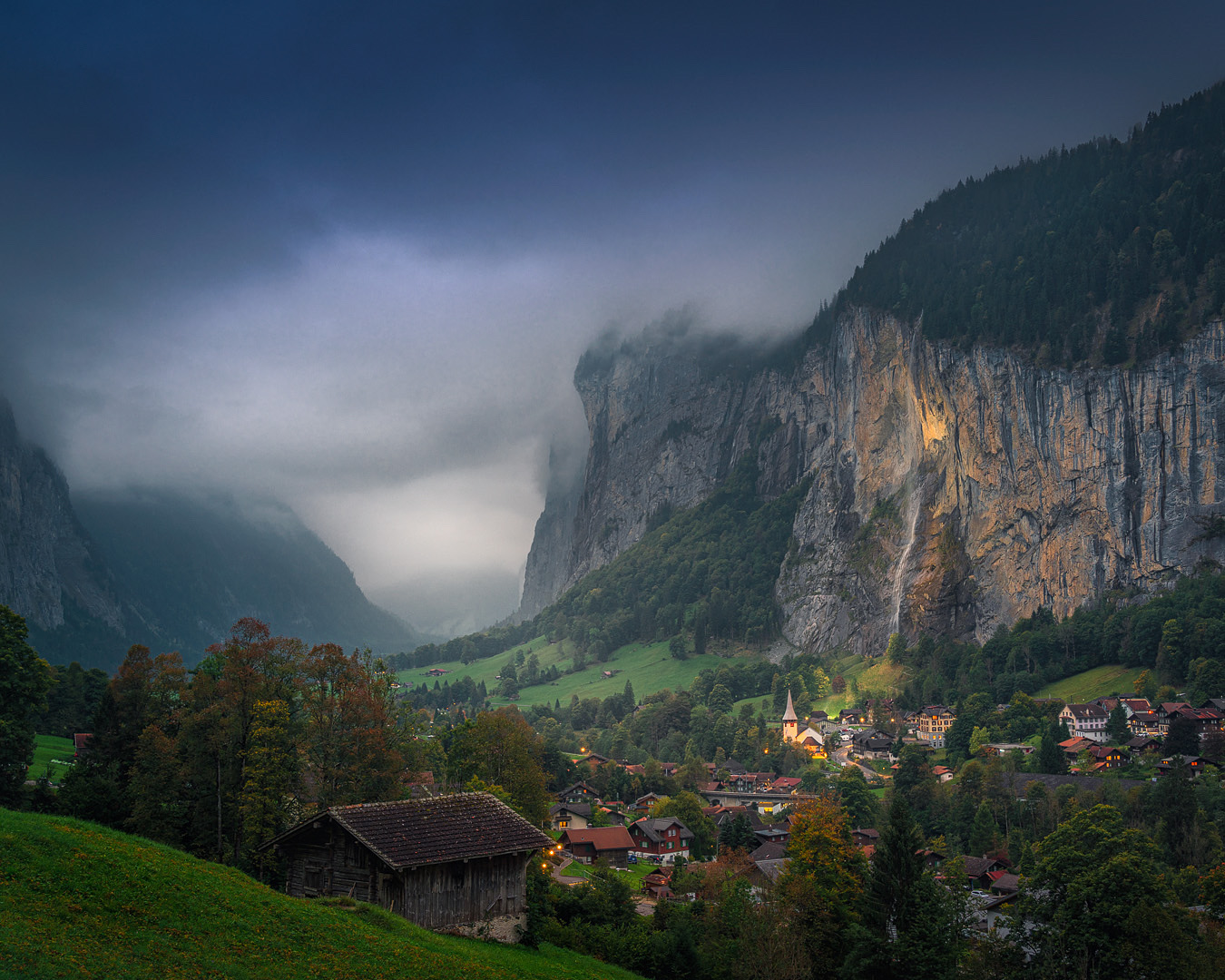
A loop through central Switzerland's best scenery: glacial valleys, turquoise lakes and historic capitals.
Day 1: Zurich to Lucerne
Driving: 1h 10mSee: Drive south past Lake Zug, walk Lucerne's historic Chapel Bridge, and ride the revolving cable car up Mount Pilatus.
Overnight: TCS Camping Luzern-Horw
Day 2: Lucerne to Interlaken via Brünig Pass
Driving: 1h 30mSee: Cross the gentle Brünig Pass, see the Giessbach Falls, and explore Lake Brienz.
Overnight: Camping Manor Farm 1, Interlaken
Day 3: Lauterbrunnen & Grindelwald Valleys
Driving: 1h 00mSee: See the 72 waterfalls of Lauterbrunnen Valley and take the mountain railway to the Jungfraujoch.
Overnight: Camping Jungfrau, Lauterbrunnen
Day 4: Interlaken to Thun & Bern
Driving: 1h 15mSee: Visit 12th-century Thun Castle, then drive to Bern's UNESCO-listed Old City, with its clock tower and bear park.
Overnight: TCS Camping Bern-Eymatt
Day 5: Bern to Emmental & Entlebuch Biosphere
Driving: 1h 45mSee: Wind through pastoral hills, visit a traditional Emmental show dairy, and enter the wild moors of Entlebuch.
Overnight: Camping Entlebuch, Finsterwald
Day 6: Entlebuch to Lake Lucerne Southern Shore
Driving: 1h 20mSee: Drive to Beckenried, take the car ferry across Lake Lucerne to Gersau, and visit the historic Rütli meadow.
Overnight: Camping Vitznau
Day 7: Lake Lucerne to Zurich
Driving: 1h 10mSee: Follow the lakeshore beneath Mount Rigi, then head back north over the Albis pass to Zurich.
Overnight: Fischer's Fritz Camping, Zurich
Must-see
- Staubbach and Trümmelbach Falls in Lauterbrunnen
- Historic covered wooden bridges of Lucerne
- UNESCO-listed medieval Zytglogge clock tower in Bern
- Lake Brienz shores and Giessbach funicular
Free stops
- Aare river stroll and bear park viewing in Bern
- Panoramic viewpoint at the summit of Brünig Pass
- Historic lakeside promenade in Thun
Before you go
- Book campsites in Lauterbrunnen and Interlaken well ahead for July and August.
- Park your campervan at the designated lots on Bern's outskirts. Inner city access is restricted.
- Use the tourist card from your campsite for free travel on local buses.
Where to stay overnight
- Wild camping is tightly controlled in Switzerland. It's illegal in the Swiss National Park, all federal game reserves and cantonal nature reserves.
- Above the tree line in unprotected areas, an emergency bivouac or one night in a small tent is usually tolerated. Sleeping in motorhomes at public road pull-offs is widely banned by local police though.
- Official campsites are excellent. Touring Club Suisse (TCS) runs a big network of modern, well-equipped sites by rivers and lakes.
- Swiss Stellplatz sites (Wohnmobilstellplätze) offer cheap overnight parking with basic electric hookups and waste points, often near ski lifts and farms.
- The Nomady platform connects you with private Swiss landowners, farmers and vineyards offering legal, peaceful rural pitches.
- Park4Night and iOverlander are popular for finding parking spots, but always check on-site signage (look for 'Camping verboten' or blue motorhome symbols).
- Expect to pay CHF 35 to CHF 75 a night for a pitch with two adults and electricity. That's normal for Swiss prices.
- Most Swiss campsites give you a regional Guest Card at check-in. It gets you big discounts or free rides on local valley buses and commuter trains.
Driving rules and road quirks
- Drive on the right and overtake only on the left.
- Motorhomes and campervans up to 3.5 tonnes follow standard car speed limits: 50 km/h in towns, 80 km/h on rural roads, 100 km/h on expressways (autostrassen), and 120 km/h on motorways (autobahnen).
- Over 3.5 tonnes? You're limited to 100 km/h on motorways and 80 km/h on open roads outside built-up areas.
- Vehicles up to 3.5 tonnes need a motorway vignette (CHF 40) before driving on any national motorway. Get it as a windscreen sticker or digital e-vignette.
- Over 3.5 tonnes, you pay the heavy vehicle charge (PSVA/LSVA) instead, via customs or the official Via app.
- Postbuses (the yellow ones) always have right of way on narrow alpine postal roads. Listen for their three-tone horn on blind hairpin bends.
- On steep single-lane mountain passes, traffic going uphill has priority, unless the ascending vehicle is lighter and more manoeuvrable.
- Keep your headlights or daytime running lights on at all times, even on bright summer days.
- Winter tyres aren't mandatory by date, but drive on summer tyres in snow or ice and you risk heavy fines and liability in a crash. Carry snow chains in alpine areas from October to April.
- The legal blood alcohol limit is 0.05% (0.5 grams per litre). New drivers and commercial operators get zero tolerance at 0.01%.
Typical Campervan Travel Costs in Switzerland
Switzerland is one of Europe's priciest destinations. Tour in a self-contained campervan and you cut costs by skipping pricey hotels and restaurants.
| Motorway Vignette (vehicles up to 3.5t) | CHF 40 (valid up to 14 months) |
|---|---|
| Campsite Pitch (2 adults + camper + electricity) | CHF 38 – CHF 75 per night |
| Wohnmobilstellplatz / Aire overnight | CHF 15 – CHF 30 per night |
| Diesel (per litre) | Roughly CHF 1.85 – CHF 2.05 |
| Car Train Shuttle (e.g. Furka, Lötschberg) | CHF 27 – CHF 40 one-way |
| Mid-range Restaurant Dinner (per person) | CHF 35 – CHF 60 |
| Local Grocery Shop (weekly essentials for two) | CHF 90 – CHF 140 |
High Alpine Pass Driving and Vehicle Transit
High alpine passes need sensible mechanical care and attention to weight limits.
- Check conditions for Passwang, Gotthard, San Bernardino, Furka and Susten on official cantonal road sites before you set off.
- Use engine braking in second or third gear on long descents, so your brakes don't overheat.
- If the engine temperature rises on a climb, switch off the cab air con and pull into a safe bay to let it idle and cool.
- Driving a coachbuilt motorhome or towing? Check road width and length limits on signs at the start of each pass.
- In bad winter or early spring weather, use the Autoverlad vehicle train through the Furka, Lötschberg or Albula tunnels to skip closed passes.
Day 1: first-timer checklist
- Check the bodywork, windows and underbody closely. Note every scratch and stone chip on the depot handover document.
- Check you've got the mandatory safety kit: a red warning triangle, reflective vests for all passengers, and a first-aid kit.
- Check the fresh water tank is full of drinking water, the waste tank is empty, and the toilet cassette is primed.
- Make sure you know how to switch the fridge between 12V battery (driving), LPG gas (off-grid) and 230V mains hookup.
- Confirm you've got a Swiss motorway vignette on the windscreen, or an e-vignette registered to your number plate.
- Head to a big supermarket like Migros or Coop near the depot. Stock up on staple foods, bottled water and Swiss franc cash.
- Keep your first drive under two hours, to your first pre-booked campsite. It's a good way to get used to the vehicle's height and handling.
Must-do and must-try in Switzerland
Must-Do Road Trip Experiences
- Drive the hairpins of the Furka Pass and stop at the abandoned Hotel Belvédère.
- Take the car ferry across Lake Lucerne between Beckenried and Gersau, beneath Mount Rigi.
- Ride the cable car or funicular up to the car-free villages of Mürren and Gimmelwald.
- Park at Täsch and catch the cogwheel shuttle into car-free Zermatt for sunrise views over the Matterhorn.
- Camp on the banks of the Upper Rhine Gorge (Ruinaulta), Switzerland's limestone canyon.
Authentic Swiss Culinary Stops
- Dip crusty bread into a bubbling moitié-moitié cheese fondue in Gruyères or Fribourg.
- Try crispy rösti topped with melted alpine cheese and a fried egg at a mountain hut.
- Sample Bündnerfleisch (air-dried beef), sliced paper-thin, in the old taverns of Graubünden.
- Taste white Chasselas wine straight from cellar doors in the terraced vineyards of UNESCO Lavaux.
- Try roasted chestnuts and creamy polenta in the grotto restaurants of Italian-speaking Ticino.
Unique Alpine Wonders
- Walk into the deep blue ice tunnel carved each year inside the Rhône Glacier.
- See the ten underground glacial waterfalls of Trümmelbach, cascading inside a mountain cliff.
- Cross the Trift suspension bridge, high above a glacial gorge in the Gadmen Valley.
- Watch the Glacier Express and Bernina Express narrow-gauge trains cross the curved stone viaducts.
Local apps and emergency numbers
- Emergency numbers: 112 for general emergencies, 117 for police, 118 for fire, 144 for ambulance.
- TCS Traffic App and Swiss Alps Pass Info: check these for real-time mountain pass closures, traffic queues and roadworks.
- SBB Mobile app: use it to plan trains, mountain funiculars and valley buses when you leave the campervan parked up.
- Nomady and Park4Night apps: find legal overnight pitches on farms and certified private properties.
- Currency: Swiss Franc (CHF). Cards are accepted everywhere, but carry small change for coin-operated parking meters.
- Power adaptors: Swiss sockets use three-pin Type J plugs. Carry a European CEE blue plug adapter for campsite hookups.
- Waste disposal: never empty grey water or toilet cassettes into storm drains. Use the Entsorgungsstationen at campsites and motorhome service areas.
Official live links
- MySwitzerland — Official national portal with regional itineraries and outdoor activity guides.
- Touring Club Suisse (TCS) — Swiss motoring organisation with live traffic updates, pass closures and a large campsite network.
- Federal Roads Office (FEDRO) — Official federal transport authority, for driving rules, heavy vehicle charges and motorway regulations.
- Swiss Federal Customs and Border Security (BAZG) — Official source for buying Swiss motorway e-vignettes and declaring cross-border vehicles.
- Nomady Switzerland — Platform for booking legal private campervan pitches on Swiss farms, vineyards and nature sites.
Switzerland campervan FAQs
Can I wild camp in a campervan in Switzerland?
Wild camping in motorhomes or campervans is generally banned on public streets, motorway services and car parks across Switzerland, and strictly forbidden in national parks, nature reserves and game corridors. Some cantons tolerate discreet bivouacking on foot above the tree line, but motorhomes must stick to official campsites, motorhome stellplatz aires, or private land booked through services like Nomady.
Do I need a special vignette for Swiss motorways?
Yes. All motorhomes and vehicles up to 3.5 tonnes gross vehicle weight need a Swiss motorway vignette to drive on national motorways and expressways. It costs CHF 40 and is valid for up to 14 months, from 1 December of the prior year to 31 January of the following year. Get it as a physical windscreen sticker at border crossings or as an e-vignette linked to your vehicle registration.
What are the rules if my motorhome weighs over 3.5 tonnes?
Vehicles over 3.5 tonnes don't buy the standard motorway vignette. Instead, you pay the heavy vehicle charge (PSVA/LSVA) for every day in Switzerland, whether you're on motorways or secondary roads. Register and pay at border customs offices or via the official Via app.
Are Swiss mountain passes difficult to drive in a motorhome?
Main alpine passes like the Gotthard, San Bernardino and Simplon are wide and built for heavy traffic, so standard motorhomes manage fine. Higher passes like the Furka, Grimsel and Susten are steep, with tight hairpin bends and narrow sections. Use low gears on descents to protect your brakes, give postbuses right of way, and check your vehicle's width before you set off.
What driving licence is required to rent a campervan in Switzerland?
A standard Category B car licence, held for at least one year (often two or three, depending on the supplier's age policy), lets you drive vehicles up to 3.5 tonnes. If your licence isn't printed in English, German, French or Italian, carry an International Driving Permit (IDP) alongside it.
Can I drive a rental campervan from Switzerland into neighbouring countries?
Most Swiss rental companies let you cross into EU and Schengen countries, including France, Germany, Italy, Austria and Liechtenstein. Tell your rental supplier at collection to make sure your cross-border insurance is active, and check emission sticker rules for cities you're heading to.
Are campsites open year-round in Switzerland?
Many high-altitude campsites close between October and May because of snow, but plenty of valley and winter sports campsites (Wintercamping) stay open all year. Winter sites have heated washrooms, drying rooms for ski gear, and 16-amp electrical hookups for motorhome heating.
How do vehicle car trains work in Switzerland?
Vehicle transport trains (Autoverlad) carry cars and campervans through mountain tunnels, bypassing closed passes or long detours. Major routes include the Furka Tunnel (Realp to Oberwald) and Lötschberg Tunnel (Kandersteg to Goppenstein). Drive onto an open railway carriage, stay in your seat, and drive off at the other end.
How does the Price Beat Guarantee work?
Find a lower price and we'll beat it. The quote must be for the same vehicle from the same supplier, with identical depots, dates and times, matching inclusions, mileage and excess options, and be live and verifiable before you book. Conditions apply — see our terms.