Real vehicles you can book
Tap a vehicle to see its photos, floorplan and live prices for your dates.
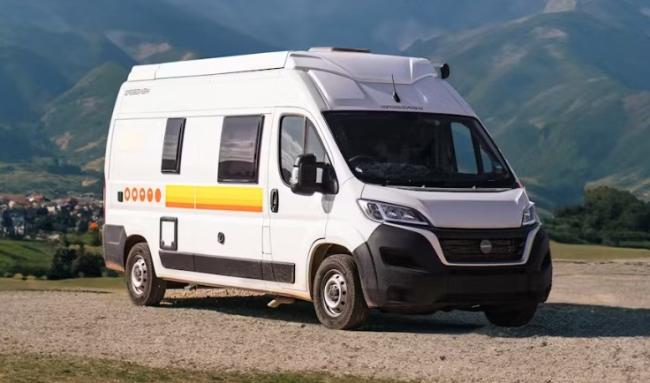
Indie Campers · Campervan · sleeps 2
Active Bunk
Best for: Couples
Check dates & prices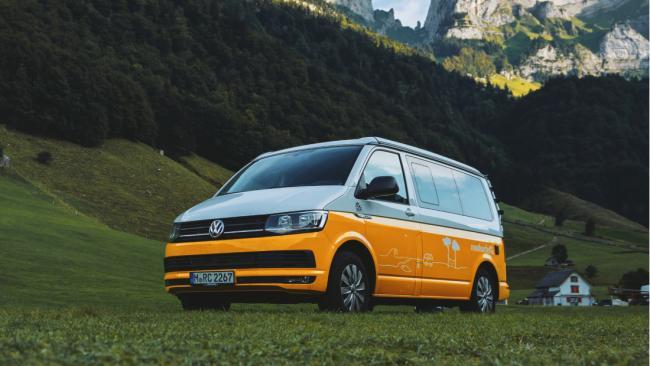
roadsurfer · Campervan · sleeps 2
Beach Hostel
Best for: Couples
Check dates & prices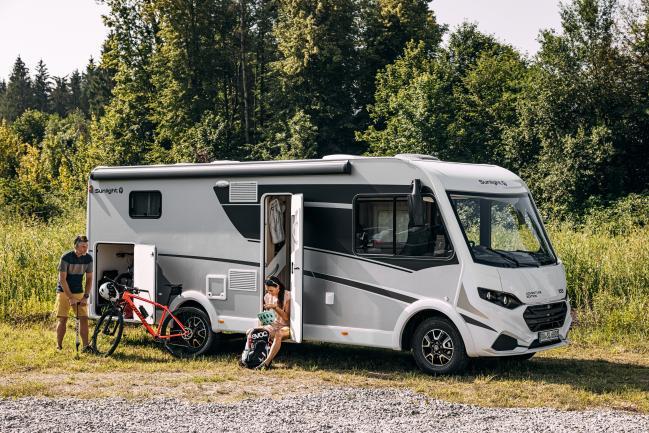
McRent Italy · Campervan · sleeps 2
Comfort Luxury
Best for: Couples
Check dates & prices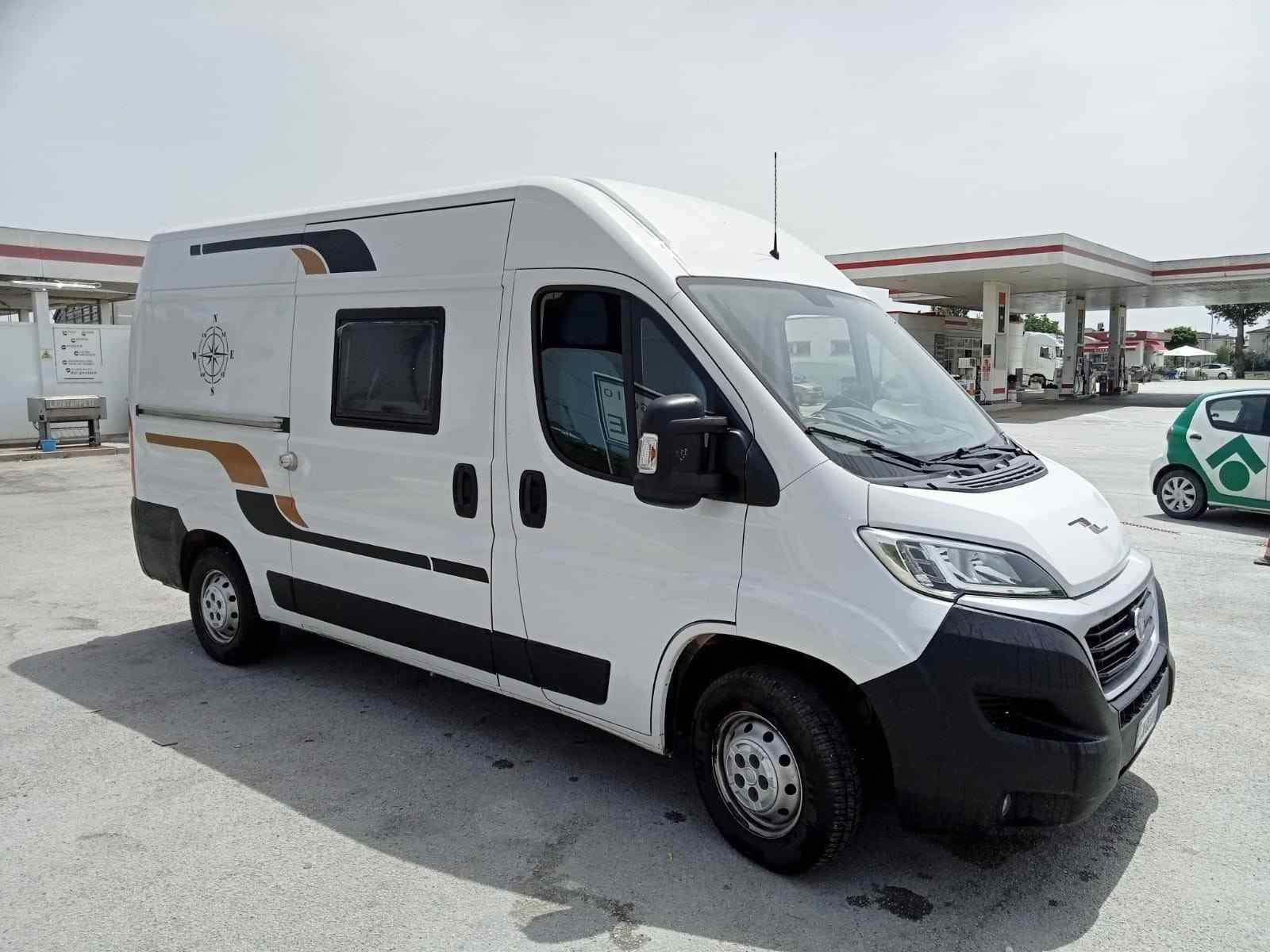
Vanitaly · Campervan · sleeps 2
Fiat Ducato Kai Explorer
Best for: Couples
Check dates & prices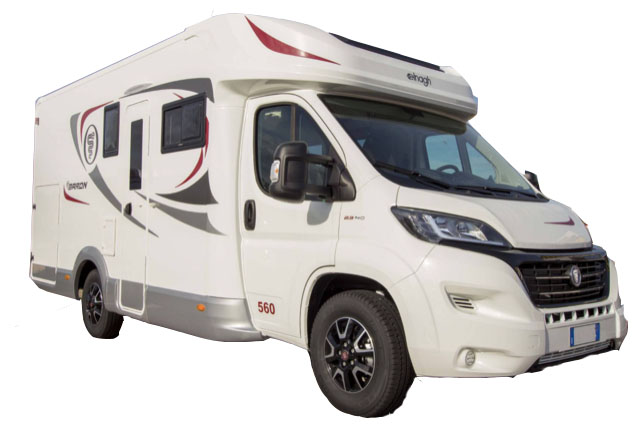
Motorhomes Italy · Campervan · sleeps 2
Group A
Best for: Couples
Check dates & prices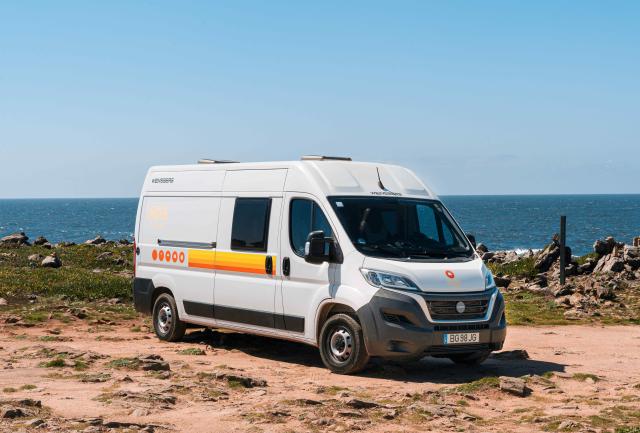
Indie Campers · Campervan · sleeps 2
Active Bunk Select
Best for: Couples
Check dates & pricesRental companies in Italy
We only list established fleets with their own vehicles. No peer-to-peer rentals and no paid rankings.

Indie Campers
A big European campervan specialist with modern, compact campervans and family panel vans. Digital check-in, depots across major Italian hubs.
View fleet & profile →
McRent Italy
Part of Europe's largest motorhome rental network. Nearly new, high-spec semi-integrated and alcove coachbuilt motorhomes, mostly built on Fiat Ducato bases.
View fleet & profile →
Motorhomes Italy
An Italian motorhome operator with a wide range of fully equipped family coachbuilts and panel vans, built for Italy's highways and back roads.
View fleet & profile →
Vanitaly
An Italian campervan operator for road-trippers, with practical camper conversions and compact vans suited to narrow provincial roads.
View fleet & profile →

roadsurfer
Specialises in colourful, high-spec compact campervans and urban campers like the VW California and Mercedes Marco Polo, good for couples and small families tackling mountain passes.
View fleet & profile →
Where to pick up your campervan
Lombardy & Northern Lakes
Gateway to the Italian Alps, glacial lakes and the industrial hub around Milan.
- Bergamo →
- Bergamo Airport →
- Lake Como →
- Milan →
- Milan Airport →
- Milan Linate Airport
- Milan Malpensa Airport
- Stresa →
- Varese →
Veneto, Friuli & Northeast
Runs from the Dolomites' jagged peaks down to the Venetian lagoon and Adriatic ports.
Piedmont & Ligurian Riviera
Alpine valleys, top wine country and Mediterranean coastal towns.
Emilia-Romagna & Marche
Italy's food heartland, bordered by rolling Apennine hills and Adriatic beaches.
- Ancona →
- Ancona Port
- Bologna →
- Bologna Airport →
- Bologna Railway Station
- Cesena →
- Forli Airport →
- Gatteo →
- Modena →
- Pescara →
- Rimini →
- Rimini Airport →
Tuscany & Umbria
Famous for cypress-lined roads, Renaissance art centres and medieval hilltop towns.
- Florence →
- Florence Airport →
- Florence Railway Station
- Lucca →
- Perugia →
- Pisa →
- Pisa Airport →
- Pistoia →
- Terni →
Lazio & Central Italy
The ancient core around Rome, reaching into the hills of Ciociaria and volcanic lakes.
- Eur Magliana
- Frosinone →
- Rome →
- Rome Airport →
- Rome Ciampino Airport
- Rome Fiumicino Airport
Campania & Southern Tyrrhenian
Home to the Amalfi coastline, Mount Vesuvius and Neapolitan street food.
Puglia & Basilicata
Sun-bleached land of ancient cave dwellings, olive plains and whitewashed coastal ports.
Sardinia
A Mediterranean island famed for emerald waters, prehistoric nuraghi and wild interior mountains.
Sicily
A crossroads of Mediterranean civilisations, with smoking volcanoes, Greek ruins and busy ports.
Italy campervan map: pickups and highlights
Dark blue dots are pickup locations. Tap any other dot to see the nearest pickup and a rough drive time.
Italy pickup city guides
- Alghero
- Ancona
- Bari
- Bergamo
- Bologna
- Brindisi
- Cagliari
- Catania
- Catanzaro
- Cesena
- Florence
- Forli
- Frosinone
- Gatteo
- Genoa
- Lake Como
- Lucca
- Matera
- Milan
- Milazzo
- Modena
- Naples
- Olbia
- Palermo
- Perugia
- Pescara
- Pisa
- Pistoia
- Pordenone
- Porto Torres
- Positano
- Pozzallo
- Rimini
- Rome
- Sanremo
- Sardinia
- Sassari
- Sorrento
- Stresa
- Taranto
- Terni
- Trapani
- Treviso
- Trieste
- Turin
- Varese
- Venice
- Verona
More European guides: Albania · Austria · Belgium · Bosnia · Bulgaria · Croatia · Czech Republic · Denmark · Estonia · Finland · France · Germany · Greece · Hungary · Iceland · Ireland · Latvia · Liechtenstein · Lithuania · Luxembourg · Macedonia · Monaco · Montenegro · Netherlands · Norway · Poland · Portugal · Romania · Serbia · Slovakia · Slovenia · Spain · Sweden · Switzerland
Top tip
Most Italian depots sit in industrial parks 15 to 30 minutes outside city centres or airports, not inside the terminal itself. Check if your supplier runs a shuttle, or you'll need a taxi or regional train. Watch out for rush-hour traffic on the tangenziali (bypasses) around Milan and Rome, which can add an hour to your check-in time.
Trip cost calculator: fuel and campsites
Pick one of the road trips below or type your own distance to estimate fuel and overnight costs in EUR.
- Plan for (+20% detours)
- 504 km
- Fuel (66 litres)
- €119
- Campsites
- €270
- Fuel + campsites
- €389
Road fees: Motorway tolls run roughly €8 to €9 per 100km. Ferries to Sardinia cost roughly €150 to €350 return, depending on vehicle size and season.
Diesel (Gasolio) is sold at every Italian fuel station. Always choose Self (self-service) over Servito (attendant) to avoid the extra charge per litre. Estimates only; rental price, insurance and any mileage charges are shown in your quote.
Why choose a motorhome holiday in Italy?
Italy is made for road trips. It packs huge cultural heritage and wildly different landscapes into twenty regions. By motorhome, you can wake under the limestone peaks of the Dolomites, park up by quiet olive groves in Umbria, or pitch within walking distance of turquoise coves on the Tyrrhenian coast, no hotel check-ins or train timetables needed. Italy also has one of Europe's best overnight parking networks, the sosta camper system, giving you secure, cheap access to historic villages and nature reserves. Many rural agriturismi welcome motorhomes too, often letting you stay overnight in return for trying their olive oil, cheese and DOCG wines. From the switchback roads of the northern lakes to the old masserie of Puglia and the volcanoes of Sicily, touring by motorhome puts you right in the heart of Italian life.
Which vehicle suits your group?
Compact Campervan (e.g. VW California, Ford Nugget) — Solo travellers and couples who want an easy park
- Pop-top roof for headroom and a raised double bed
- Car-sized footprint (under 5 metres) that fits normal parking bays
- Built-in two-ring gas stove and compact compressor fridge
- Usually no toilet cubicle, just a portable cassette loo
Panel Van Conversion (e.g. Fiat Ducato 6m) — Couples and small families who want full facilities in a smaller van
- Fixed double bed at the rear with a big 'garage' for luggage underneath
- Built-in wet room with cassette toilet and warm shower
- 5.99 to 6.36 metres long, easy enough for rural Italian hill-town roads
- Full winter heating, run on diesel or LPG
Semi-Integrated / Low Profile Motorhome — Couples wanting more space, or families with older children
- Aerodynamic coachbuilt body on a commercial chassis for better motorway fuel economy
- Permanent double or twin beds at the rear, plus an electric drop-down bed over the lounge
- Large separate shower and L-shaped kitchen
- Watch height clearances (2.9 to 3.1 metres) and tight mountain hairpins
Alcove / Overcab Coachbuilt Motorhome — Larger families and groups needing separate sleeping zones and maximum storage
- Overcab pod with a permanent double bed that doesn't eat into daytime living space
- Sleeps 5 to 7, with a convertible dinette table and bunk beds
- Big rear garage for outdoor furniture and sports gear
- More wind resistance and weight, so take care on exposed viaducts
Best time to travel and weather
Spring (April to June)
- Mild days, 16°C to 25°C, great for hiking and sightseeing
- Wildflowers bloom across the Tuscan Val d'Orcia and central Apennines
- Coastal campsites and rural soste open up, without summer crowds or booking restrictions
Summer (July to August)
- Daytime heat often tops 35°C in central and southern regions, so cab air con is a must
- Ferragosto (mid-August) brings peak domestic tourism, crowded coasts and campsites that need booking ahead
- Alpine spots like the Dolomites and Val d'Aosta offer a cooler escape from lowland heatwaves
Autumn (September to October)
- Great touring weather, with daytime temperatures around 20°C to 24°C
- Harvest season (vendemmia) in Piedmont, Tuscany and Veneto brings local food festivals (sagre)
- Mediterranean sea stays warm enough to swim well into October along southern shores
Winter (November to March)
- Many rural and coastal campsites close from November to Easter, so soste camper become your main parking option
- Alpine passes like the Stelvio close due to heavy snow, and winter tyres or snow chains are required by law
- Southern regions and Sicily stay mild and quiet, with daytime temperatures around 13°C to 17°C
Classic Italy road trips
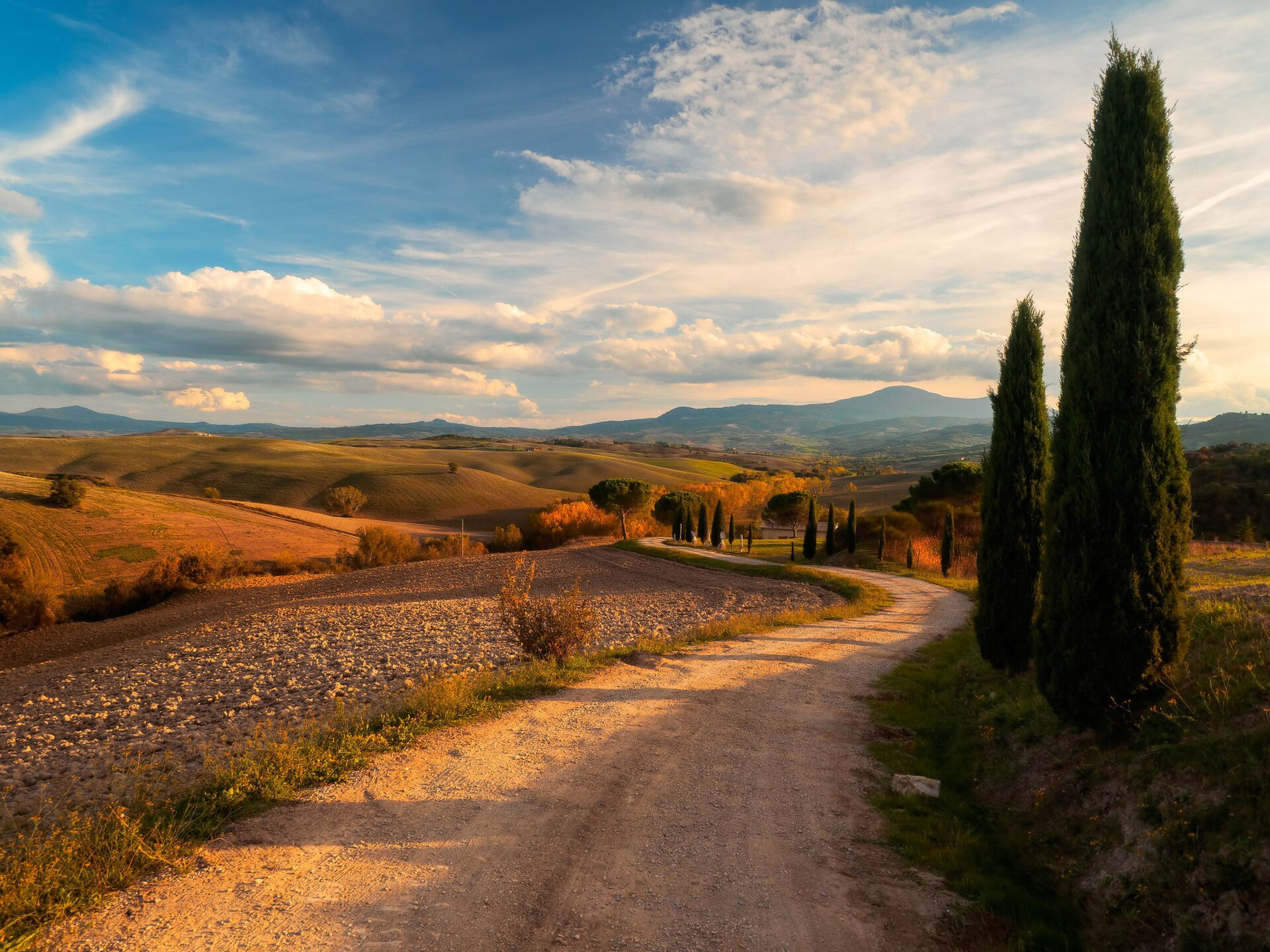
A circuit through UNESCO-listed countryside, medieval fortified hamlets, Chianti vineyards and art cities.
Day 1: Florence → Greve in Chianti
Driving: 1h 15mSee: The winding SR222 Chiantigiana wine road and historic merchant cellars
Overnight: Area Sosta Camper Greve in Chianti
Day 2: Greve in Chianti → San Gimignano
Driving: 1h 10mSee: Fourteen medieval stone towers, saffron gelato and Romanesque architecture
Overnight: Area Camper Santa Chiara (San Gimignano)
Day 3: San Gimignano → Siena
Driving: 0h 50mSee: Piazza del Campo, Siena Cathedral and ancient brick-paved contrade alleys
Overnight: Area Sosta Il Fagiolone (Siena)
Day 4: Siena → Montepulciano
Driving: 1h 15mSee: Crete Senesi lunar landscapes, Vino Nobile cellars and Renaissance palaces
Overnight: Area Sosta Camper Montepulciano
Day 5: Montepulciano → Pienza & Val d'Orcia
Driving: 0h 40mSee: The Renaissance town of Pienza, pecorino cheese dairies and cypress avenues
Overnight: Area Sosta Camper Pienza
Day 6: Pienza → Volterra
Driving: 1h 50mSee: Etruscan museum, alabaster workshops and Roman theatre ruins
Overnight: Area Sosta Docciola (Volterra)
Day 7: Volterra → Florence
Driving: 1h 30mSee: Descend via Colle di Val d'Elsa back to the Florence depot
Overnight: Firenze Camping in Town
Must-see
- Piazza del Campo in Siena during late afternoon light
- The full circuit of medieval towers in San Gimignano
- The cypress-lined drive to Cappella della Madonna di Vitaleta in Val d'Orcia
- Roman amphitheatre carved into volcanic rock at Volterra
Free stops
- Panoramic viewpoint at Belvedere di San Quirico d'Orcia
- Hot sulfur cascades at Bagni di San Filippo (Fosso Bianco)
- Roadside pull-off overlooking the Crete Senesi on SP438
Before you go
- Never drive past the red circular ZTL camera signs into historic hill towns
- Rural petrol stations in Tuscany often close Sunday afternoons, or take cash only at unattended pumps
- Hill-town soste are usually at the bottom of the slope, so expect a steep walk up to the centre
Where to stay overnight
- Wild camping (campeggio libero) is banned in most of Italy under regional tourism laws, especially in national parks, nature reserves and coastal zones within 1km of the sea.
- Italian law splits parking (sosta) from camping (campeggio) under Art. 185 Codice della Strada. You can sleep in your parked vehicle, but only on its wheels, with no jacks, steps, awnings or chairs out.
- Aree di Sosta (or Sosta Camper) are dedicated overnight spots for motorhomes. They range from basic municipal gravel bays with water and waste dumping (pozzetto) to private gated sites with mains electricity and showers.
- Full-service campsites (campeggi) have pools, restaurants and laundrettes. Expect to pay €25 to €70 a night, depending on season and vehicle length.
- Agriturismi (farm stays) often have motorhome pitches under schemes like Agricamper Italia. You get a quiet rural spot, plus the chance to buy farm-fresh wine, olive oil and local produce.
- Don't tip wastewater or toilet waste into drains or the countryside - fines are steep. Use designated service points, marked 'Camper Service' or 'Pozzetto di Scarico'.
- For verified pitches, reviews and water points across Italy, get Park4Night, Campercontact and CaraMaps.
Driving rules and road quirks
- Drive on the right and overtake on the left. Italian drivers often sit close behind and flash to pass on motorways.
- Speed limits for campervans under 3.5 tonnes: 50 km/h in towns, 90 km/h on open roads, 110 km/h on superstrade, 130 km/h on motorways (110 km/h in wet weather).
- Motorhomes over 3.5 tonnes MAM stick to 80 km/h on open roads and superstrade, 100 km/h on motorways.
- ZTL zones protect historic centres. Drive in without a permit and cameras will fine you, usually over €100 a time.
- Most motorways charge tolls by distance. Take a paper ticket at entry, then pay by card or cash at exit booths with white icons. Skip the yellow Telepass lanes unless you've got a transponder.
- Keep headlights on (dipped beam or DRLs) outside towns at all times, day and night, including on dual carriageways and motorways.
- Between 15 November and 15 April, winter tyres (marked 3PMSF or M+S) or snow chains are mandatory in northern Italy, mountain areas and some motorway sections.
- The blood alcohol limit is 0.5 g/l. Drivers with under three years' experience, and commercial drivers, face zero tolerance (0.0 g/l).
- UK and EU/EEA licences work fine. Non-EU/EEA drivers need an International Driving Permit (1949 or 1968 convention, depending on nationality) alongside their normal licence.
Estimated On-the-Road Touring Costs
Daily budgets vary a lot, depending on the season, how many tolls you use, and whether you stick to municipal soste or treat yourself to full-service holiday villages.
| Diesel Fuel (per litre) | Roughly €1.75 to €1.95 |
|---|---|
| Autostrada Toll (per 100 km) | Roughly €7.50 to €9.50 |
| Municipal Area Sosta (24 hours) | Roughly €10 to €20 (often free in rural villages) |
| Private Serviced Camper Stop | Roughly €18 to €32 per night with electricity |
| Coastal Campsite (Peak July/August) | Roughly €45 to €80 per night |
| Espresso at Local Bar | Roughly €1.10 to €1.50 |
| Trattoria Lunch (Primi + water) | Roughly €12 to €18 per person |
Navigating Italian Ferry Connections
Getting your motorhome to Sardinia, Sicily and Elba is easy, thanks to regular roll-on/roll-off ferries.
- Moby, Tirrenia, Corsica Ferries and Grimaldi Lines run the main routes to Sardinia (Olbia, Porto Torres, Golfo Aranci) from Genoa, Livorno and Civitavecchia.
- The Strait of Messina crossing to Sicily (Villa San Giovanni to Messina) runs round the clock with Caronte & Tourist. No need to book ahead - crossings take about 20 minutes.
- Give the exact vehicle length when booking, including bike racks and tow bars. Port staff check dimensions before you board.
- Turn off gas cylinders at the main valve before boarding. Port security checks cylinder lockers before you drive onto the vehicle deck.
- 'Camping on Board' lets you sleep in your motorhome on an open vehicle deck during the crossing. It's offered on some seasonal routes to Sardinia and Greece.
Security, Parking & Road Etiquette
Italy's safe for road trips, but opportunist theft happens near busy transport hubs and quiet coastal spots.
- Never leave valuables, passports or electronics in sight in the cab or living area when you leave the motorhome unattended.
- Take extra care at motorway service stations (Autogrill), especially on the A1 around Rome and Naples. Lock the habitation door even for a quick coffee.
- Skip unsecured service station bays overnight. Head for a secure municipal sosta a few kilometres off the motorway exit instead.
- Watch for the 'punctured tyre' or 'wing mirror clip' scam, where someone signals you to pull over on an exit slip or ring road.
- Carry a warning triangle and reflective vests for every passenger. Italian law requires you to wear one if you leave the vehicle during a breakdown on the open road.
Day 1: first-timer checklist
- Walk round the vehicle with depot staff, inside and on the roof. Photograph every scrape, dent and scratch and note it on the handover sheet.
- Get a demo of the habitation kit: the Truma combi boiler for heating and hot water, the gas locker, and the 12V/230V control panel.
- Find the emergency gas shut-off valve and check the fresh water filler cap key turns smoothly.
- Check the cassette toilet: test the blade valve, check the tank seal, and make sure you've got toilet chemicals or pods.
- Find your safety kit: warning triangle, fluorescent jackets, spare tyre/inflation kit, and the mains hook-up cable with EU CEE adapter.
- Write your vehicle's height, length and width (including mirrors) on a dashboard sticker. You'll need it fast at tunnels and toll booths.
- Head to a big supermarket out of town, Esselunga, Conad Superstore or Coop, for water, pantry basics and supplies.
- Keep your first drive short, under 90 minutes, and reach your first stop before dusk. No rush on day one.
Must-do and must-try in Italy
Must-Do Road Touring Experiences
- Drive the hairpin bends of Passo dello Stelvio or Passo Giau in the northern mountains
- Park overnight at an agriturismo among Tuscan vineyards and wake to mist over cypress ridges
- Follow the coastal road along the Gargano promontory, overlooking turquoise Adriatic bays
- Take a morning boat trip to the sea caves of Capo Caccia, straight from an Alghero coastal campsite
- Wander Matera's cave dwellings and rock-cut churches at twilight
- Watch Mount Etna vent steam from the black volcanic sands of Sicily's east coast
Must-Try Regional Food & Drink
- Neapolitan pizza margherita, baked in a scorching wood-fired oven in Campania
- Handmade pici pasta with wild boar ragù (cinghiale) at a rural Tuscan trattoria
- Creamy cacio e pepe and rigatoni alla carbonara at a simple Roman osteria
- Crispy Sicilian cannoli filled with sheep's milk ricotta and candied orange peel
- Thinly sliced Prosciutto di Parma with chunks of aged Parmigiano Reggiano in Emilia-Romagna
- Focaccia barese topped with cherry tomatoes, olives and local extra-virgin olive oil in Puglia
Unmissable Hidden Cultural Gems
- Ancient Etruscan cliff tombs and sunken roads (Vie Cave) cut into tufa rock around Pitigliano
- The Roman mosaics covering the floors of Villa Romana del Casale in central Sicily
- The calm shores of Lake Trasimeno in Umbria, ringed by medieval castles
- The trulli of Valle d'Itria, best seen outside peak hours
Local apps and emergency numbers
- Call 112 for emergencies. It connects to police (Carabinieri/Polizia), fire brigade (Vigili del Fuoco) and ambulance.
- Get Park4Night and Campercontact for real reviews of Italian soste camper, agriturismi and service points.
- Use Google Maps or Waze to navigate, but watch for low bridge signs and ZTL warning boards near historic centres.
- Carry a chip-and-PIN credit card (Visa or Mastercard) for motorway toll machines and unattended 24-hour petrol pumps.
- Carry a brass European tap connector set (1/2", 3/4" and push-fit). Tap sizes vary at municipal soste.
- Carry €1 and €2 coins for coin-metered water taps and hook-up pedestals at municipal service areas.
- Pack a two-pin CEE hook-up cable and a standard Italian three-pin (Schuko/Type L) adapter.
Official live links
- Italia.it (Official Italian Tourism Board) — Official national site with guides to regional attractions, cultural trips and seasonal events.
- Autostrade per l'Italia — Official motorway site with live traffic, roadworks and toll calculators.
- Ministero delle Infrastrutture e dei Trasporti — Official transport ministry resource for Italian highway codes, speed limits and vehicle rules.
- Polizia di Stato - Road Safety — Italian state police site with driving rules, seasonal kit requirements and motorway safety tips.
- MeteoAM (Aeronautica Militare) — Italy's official military weather service, for forecasts and severe weather warnings.
Italy campervan FAQs
Can I wild camp in a campervan in Italy?
No. Wild camping (campeggio libero) is banned across most of Italy, especially in national parks, state forests and coastal zones. Under Article 185 of the Highway Code though, you can park and sleep in your motorhome on any public street not specifically banned to campervans, as long as you don't 'camp' (no awnings, tables, chairs or jacks).
What is an Area di Sosta?
An Area di Sosta (often signposted 'Sosta Camper') is an authorised overnight spot for motorhomes. You'll find simple municipal tarmac areas with a water tap and waste dump, or private gated sites with 230V electricity, hot showers and Wi-Fi. Cost ranges from free to €25 a night.
What is a ZTL and how do I avoid fines?
A ZTL (Zona a Traffico Limitato) is a restricted traffic zone in Italian town and city centres, designed to cut pollution and congestion. Cameras automatically read number plates at the entry points. Drive in without a permit and you'll get a fine, often €100 or more. Never drive a motorhome past the white circular signs ringed in red.
How do toll roads work in Italy?
Most Italian motorways (Autostrade) use a closed toll system. Take a paper ticket at the barrier when you join, then pay by card or cash when you exit, based on distance travelled. Avoid lanes marked 'Telepass' with yellow signs - they're for account holders with electronic transponders only.
Do I need a special driving licence to drive a motorhome in Italy?
A standard Category B car licence covers any motorhome up to 3,500 kg (3.5 tonnes) MAM - that's most rental campervans and coachbuilt motorhomes. If your licence isn't from the EU, EEA or UK, you must also carry an International Driving Permit (IDP).
Are snow chains or winter tyres compulsory?
Yes. From 15 November to 15 April, vehicles in mountain areas, northern Italy and certain motorway routes need winter tyres (marked 3PMSF) or snow chains on board. Look for signs reading 'obbligo di pneumatici invernali o catene a bordo' - they mark these zones.
Can I take my rental motorhome on Italian island ferries?
Most rental firms allow trips to Sardinia, Sicily and Elba, but tell them in advance so your insurance covers the crossing. When booking ferry tickets, give the exact length and height of the vehicle, including any bike racks that stick out.
What side are fuel caps on, and what is diesel called?
Diesel is 'Gasolio' (black pump nozzles); petrol is 'Benzina' (green nozzles). Italian stations have two price tiers: 'Self' (pump it yourself) and 'Servito' (attendant pumps for you). Servito costs €0.30 to €0.50 more per litre, so go Self.
How does the Price Beat Guarantee work?
Find a lower price and we'll beat it. The quote must be for the same vehicle from the same supplier, with identical depots, dates and times, matching inclusions, mileage and excess options, and be live and verifiable before you book. Conditions apply — see our terms.