Real vehicles you can book
Tap a vehicle to see its photos, floorplan and live prices for your dates.
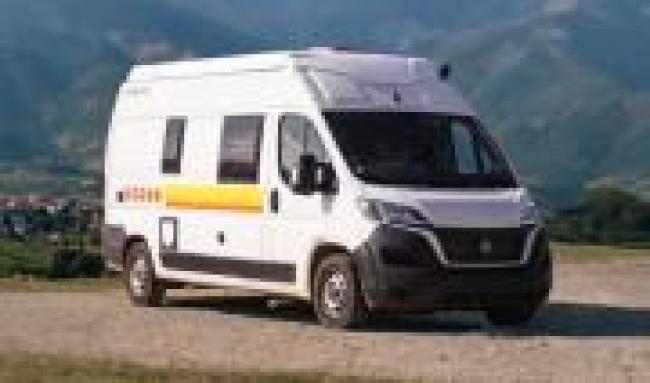
Indie Campers · Campervan · sleeps 2
Active Bunk
Best for: Couples
Check dates & prices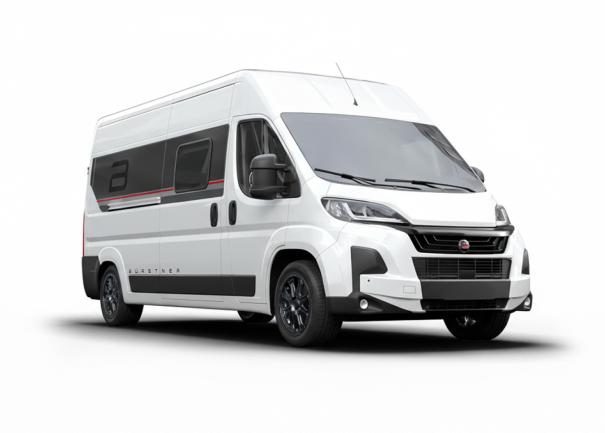
Touring Cars · Campervan · sleeps 2
Camp (2 pax) - Automatic
Best for: Couples
Check dates & prices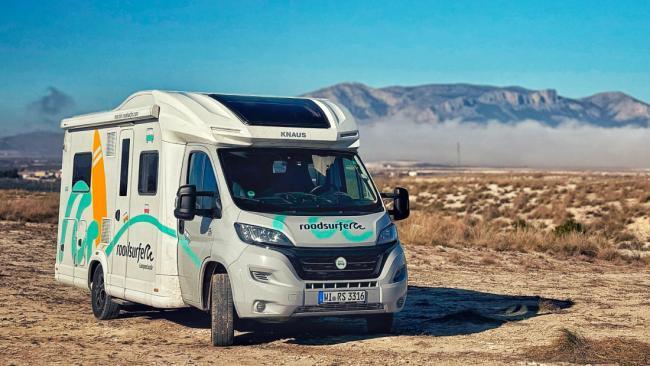
roadsurfer · Campervan · sleeps 2
Camper Castle
Best for: Couples
Check dates & prices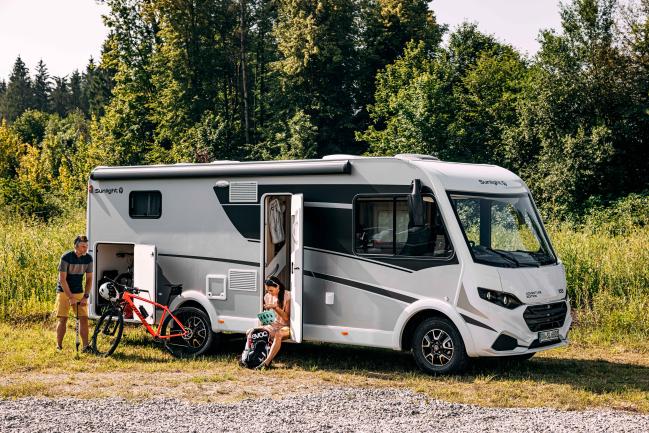
McRent Norway · Campervan · sleeps 2
Comfort Luxury
Best for: Couples
Check dates & prices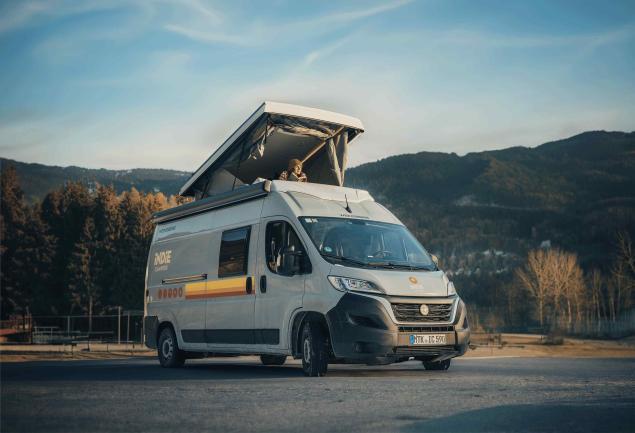
Indie Campers · Campervan · sleeps 2
Active Pop Top Auto Select
Best for: Couples
Check dates & prices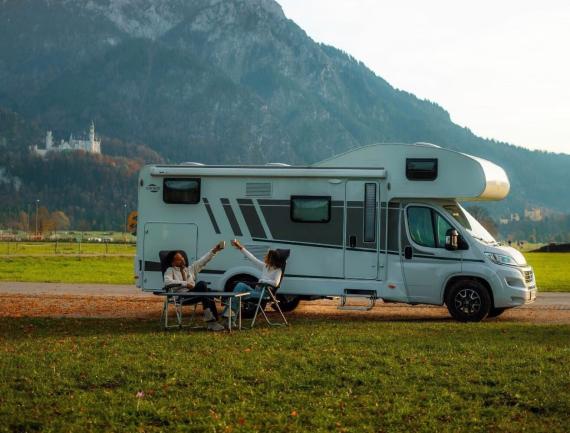
Touring Cars · Campervan · sleeps 2
Family for 5 - Automatic
Best for: Couples
Check dates & pricesRental companies in Norway
We only list established fleets with their own vehicles. No peer-to-peer rentals and no paid rankings.

Indie Campers
Modern, compact campervans and coachbuilt motorhomes, popular with independent travellers who want easy pick-ups near major hubs.
View fleet & profile →
McRent Norway
Europe's largest motorhome rental specialist. Well-maintained Dethleffs and Sunlight coachbuilt and low-profile motorhomes, good for families and long-distance comfort.
View fleet & profile →

Touring Cars
A long-established Nordic motorhome operator with fully winterised vehicles, thorough vehicle handovers, and depots across Norway's high latitudes.
View fleet & profile →

roadsurfer
Specialises in nimble, well-equipped campervans and urban campers, easy to handle on tight coastal switchbacks and ferry boarding.
View fleet & profile →
Where to pick up your campervan
Eastern Norway
Home to the capital and big forested valleys, with easy access to the national highway network and mountain plateaux.
Southern Norway
A mild coastal region of white wooden villages and sheltered skerries, good for easy coastal touring.
Fjord Norway
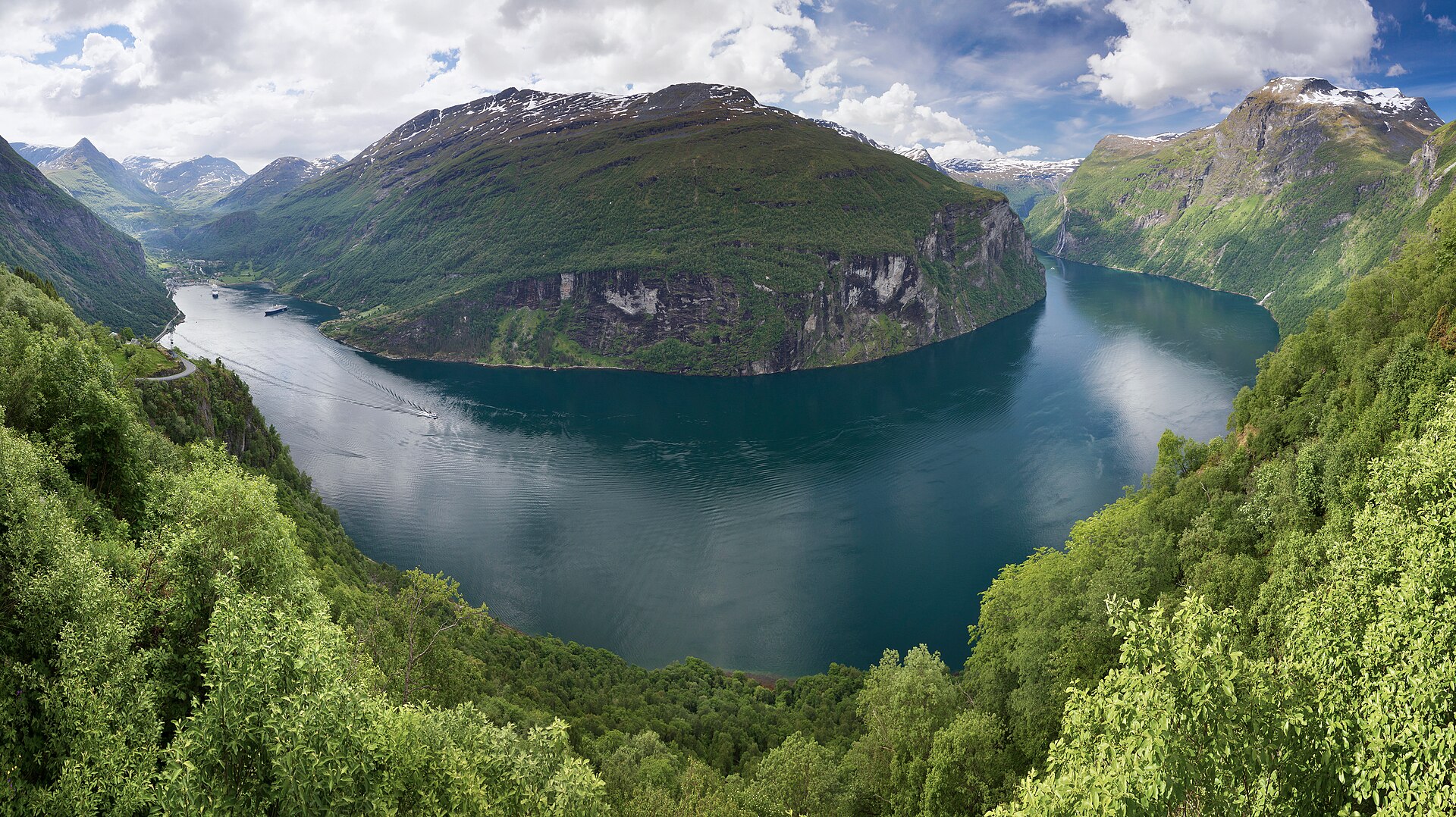
The heartland of fjord country: towering granite cliffs, deep glacial waterways and some of the best scenic driving routes anywhere.
Central Norway
A historic crossroads of farming valleys and wild coastline, linking the southern and northern provinces.
Northern Norway and the Arctic
Sub-Arctic and Arctic terrain, with the midnight sun, the Northern Lights, and alpine peaks rising straight out of the sea.
Norway campervan map: pickups and highlights
Dark blue dots are pickup locations. Tap any other dot to see the nearest pickup and a rough drive time.
Norway pickup city guides
More European guides: Albania · Austria · Belgium · Bosnia · Bulgaria · Croatia · Czech Republic · Denmark · Estonia · Finland · France · Germany · Greece · Hungary · Iceland · Ireland · Italy · Latvia · Liechtenstein · Lithuania · Luxembourg · Macedonia · Monaco · Montenegro · Netherlands · Poland · Portugal · Romania · Serbia · Slovakia · Slovenia · Spain · Sweden · Switzerland
Top tip
Most depots near Oslo, Bergen and Tromsø sit outside the terminal, so book the supplier's shuttle or check local transport in advance. Before you drive off, check the heating works and confirm an AutoPASS toll tag is registered to your vehicle, so tolls and ferries bill automatically.
Trip cost calculator: fuel and campsites
Pick one of the road trips below or type your own distance to estimate fuel and overnight costs in NOK.
- Plan for (+20% detours)
- 1,104 km
- Fuel (144 litres)
- NOK 3,229
- Campsites
- NOK 3,380
- Fuel + campsites
- NOK 6,609
Road fees: Automated road and tunnel tolls usually run 70 to 180 NOK a day. Domestic car ferries cost roughly 120 to 260 NOK per crossing for vehicles under 6 metres.
Diesel prices usually range between 21 and 25 NOK per litre, higher at remote mountain stations and far northern Arctic outposts. Estimates only; rental price, insurance and any mileage charges are shown in your quote.
Why Choose Norway for a Campervan Road Trip?
Norway is made for road trips. The scenery changes fast: coastal archipelagos and mirror-still fjords one hour, glaciers and Arctic tundra the next. Roads are well maintained, with scenic rest stops designed by top architects and electric car ferries linking the coastal highways. The right to roam (allemannsretten) mainly covers tent campers on uncultivated land, but Norway caters for motorhomes too, with plenty of bobilparkering areas and modern campsites with heated facilities. A campervan saves you hotel and restaurant bills, and lets you chase good weather, heading for clear skies on mountain plateaux or quiet coastal coves when the forecast turns.
Which vehicle suits your group?
Compact Campervan — Solo travellers and couples who want easy handling and cheaper ferry fares.
- Built on medium-sized vans like the VW Transporter or Ford Transit Custom.
- Fits standard car parking bays and qualifies for the cheaper sub-6-metre ferry tariff.
- Usually has a gas burner, coolbox or compact fridge, and a fold-out bed.
- Rarely has an onboard bathroom, so you'll use campsite facilities.
High-Top Campervan — Couples or small families who want full standing height and year-round self-sufficiency.
- Built on long-wheelbase chassis like the Fiat Ducato or Mercedes-Benz Sprinter.
- Has a fixed or convertible rear double bed, a kitchenette, and a compact wet room with shower and cassette toilet.
- Built-in diesel or gas blown heating, good for shoulder-season touring.
- Usually 5.99 to 6.36 metres long, so watch for it when boarding ferries.
Semi-Integrated Motorhome — Couples or small groups who want more living space, storage, and comfortable driving.
- Low-profile coachbuilt body on a commercial cab, with better aerodynamics.
- Has a permanent rear bed, a drop-down ceiling bed, and a large underbed garage for sports gear.
- A roomy washroom with separate shower, and a fully equipped kitchen.
- Measures 6.5 to 7.4 metres, which puts it in higher ferry and toll categories.
Alcove Family Motorhome — Larger families or groups who want maximum berths without making up beds every day.
- Easy to spot by the over-cab sleeping pod with a fixed double bed.
- Sleeps up to 6, with rear bunks or a double bed plus a convertible dinette.
- Plenty of living and dining space, with high ceilings and heavy-duty winter insulation.
- The high profile means more wind resistance and fuel use on open coastal roads.
Best time to travel and weather
Summer (Late June to August)
- Longest days of the year, with the midnight sun north of the Arctic Circle and all high mountain passes open.
- Peak season, so popular bobilparkering sites and scenic spots fill up by mid-afternoon.
- Warmest temperatures, typically 16°C to 25°C in the south, good for hiking and watersports.
Autumn (September to October)
- Golden autumn colour across valleys and plateaux, with crisp, clear hiking conditions.
- High passes like Trollstigen and Aurlandsfjellet can close early if snow comes suddenly.
- Far fewer tourists, though many seasonal campsites close by late September.
Winter (November to March)
- Dark Arctic nights are the best time to see the Northern Lights in the northern provinces.
- You'll need confidence in winter driving, careful management of heating in sub-zero temperatures, and studded tyres.
- Many roads close for the season, so campervan travel is mostly limited to low-lying coastal routes.
Spring (May to Early June)
- Waterfalls run at full force as thaw sets in, and apple orchards blossom along the Hardangerfjord.
- Mountain passes are often cut through huge snow walls, though some routes stay closed until June.
- Fewer crowds and good travel conditions, though nights can still drop near freezing.
Classic Norway road trips
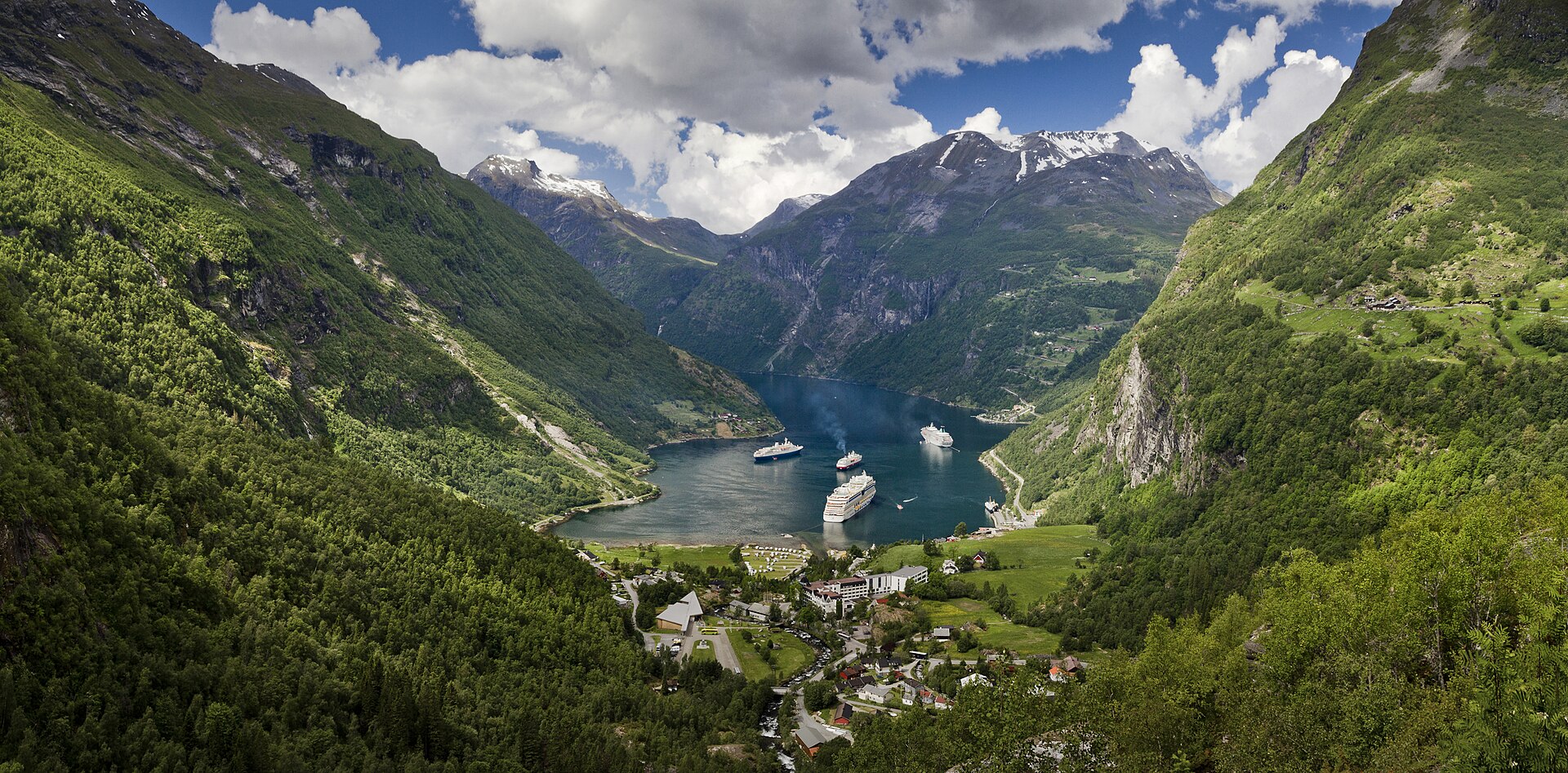
Drive through the heart of Fjord Norway: deep fjords, the Atlantic Ocean Road, and the hairpin switchbacks of Trollstigen.
Day 1: Bergen to Flåm
Driving: 2h 45mSee: Drive the E16 via Voss to the inner end of Aurlandsfjorden, then take the Flåmsbana railway.
Overnight: Flåm Camping & Cabins
Day 2: Flåm to Sogndal via Aurlandsfjellet
Driving: 2h 15mSee: Cross the Snow Road over Aurlandsfjellet and take the short Fodnes-Mannheller ferry.
Overnight: Kjørnes Camping, Sogndal
Day 3: Sogndal to Geiranger
Driving: 3h 15mSee: Climb past the edge of the Jostedalsbreen glacier, over Sognefjellet, and down into Geirangerfjord.
Overnight: Geiranger Camping
Day 4: Geiranger to Åndalsnes
Driving: 2h 30mSee: Climb Ørnevegen (Eagle Road), take the ferry from Eidsdal to Linge, and drop down the Trollstigen pass.
Overnight: Åndalsnes Camping
Day 5: Åndalsnes to Kristiansund via Atlantic Ocean Road
Driving: 2h 50mSee: Follow the coast to Molde and cross the ocean bridges of Atlanterhavsveien.
Overnight: Atlanterhavsveien Bobilcamp
Day 6: Kristiansund to Ålesund
Driving: 2h 45mSee: Take Route 64 and the coastal road south to the Art Nouveau port city of Ålesund.
Overnight: Volsdalen Camping, Ålesund
Day 7: Ålesund to Bergen
Driving: 6h 00mSee: Head south on scenic roads and coastal car ferries back to Bergen.
Overnight: Bergen Camping Park
Must-see
- Geirangerfjord UNESCO viewpoint at Flydalsjuvet
- Trollstigen serpentine mountain switchbacks
- Atlanterhavsveien curved ocean bridges
- Historic waterfront Bryggen district in Bergen
Free stops
- Stegastein viewpoint wooden terrace over Aurlandsfjord
- Stigfossen waterfall viewing platform on Trollstigen
- Eldhusøya architectural walking path on the Atlantic Road
Before you go
- Arrive at Trollstigen early morning or late afternoon to dodge the tour coaches.
- Register your number plate on FerryPay ahead of time for automatic billing on the Eidsdal-Linge ferry.
- Check daily snow clearance reports if travelling in late May or early June.
Where to stay overnight
- Norway's right to roam (Allemannsretten) applies to unmotorised travellers on uncultivated land. It's illegal to drive off-road or park motor vehicles on open natural terrain.
- You can park campervans on public roads and at marked pull-offs for up to 24 hours, as long as you don't block traffic or set up awnings, tables or chairs on the tarmac.
- In busy areas like Lofoten, Senja and Geiranger, local bylaws ban overnight motorhome parking outside licensed campsites and dedicated aires.
- You'll find bobilparkering (motorhome stopovers) in most towns and harbours. They offer basic overnight parking, fresh water and black-waste drainage for around 150 to 300 NOK a night.
- Official campsites (Campingplass) have heated drying rooms, shared kitchens, fast Wi-Fi and laundry. Expect to pay 250 to 450 NOK a night, including electricity.
- Waste rules are strict. Empty chemical toilets and greywater tanks only at designated 'Tømmestasjon' points, found at highway service stations and campsites.
- Use Park4Night, NorCamp and the Stellplatz Europe directory to find legal overnight stops.
Driving rules and road quirks
- Drive on the right and overtake on the left.
- For campervans under 3,500 kg, the speed limit is 50 km/h in built-up areas and 80 km/h on open roads, unless signs say otherwise.
- Motorhomes over 3,500 kg MAM are capped at 80 km/h everywhere, even on motorways where cars can do 100 or 110 km/h.
- Dipped headlights or daytime running lights are compulsory at all times, on every public road.
- Norway's drink-driving limit is just 0.02% blood alcohol (0.2 g/l), so don't drink any alcohol if you're driving.
- Tolls on motorways, bridges, tunnels and city congestion zones are fully automated via overhead cameras. Link your vehicle registration to EPASS24 or fit an AutoPASS tag to get automatic discounts.
- Ferries work like an extension of the road network. Fares bill automatically via AutoPASS for Ferry or FerryPay, linked to your number plate.
- Vehicles over 6 metres pay much higher ferry charges and tolls, so a van under 6 metres saves you money.
- Winter tyres are compulsory in winter conditions. From 1 November (16 October in northern counties) to the first Sunday after Easter Monday, tyre tread must be at least 3 mm for vehicles under 3.5 tonnes, or 5 mm for vehicles over 3.5 tonnes.
- On single-track rural roads, look for white 'M' signs (Møteplass). Pull into these passing points for oncoming traffic or faster vehicles behind you.
Typical Campervan Touring Expenses in Norway
Norway has a reputation for being expensive. Cook your own meals in the van and mix free wild camping with paid campsites, and costs stay manageable. Here's what touring typically costs.
| Diesel (per litre) | roughly 21 - 25 NOK |
|---|---|
| Standard Campsite Pitch (with electricity) | roughly 280 - 450 NOK |
| Bobilparkering (Motorhome Aire) | roughly 150 - 300 NOK |
| Domestic Fjord Ferry (vehicle under 6m) | roughly 120 - 260 NOK |
| Highway & Tunnel Toll (daily average) | roughly 60 - 150 NOK |
| LPG Propane Refill (11kg bottle) | roughly 300 - 420 NOK |
| Casual Café Lunch (per person) | roughly 160 - 250 NOK |
Navigating Tolls, Ferries, and Crossings
Norway's transport system is one of the most digital in the world. You won't find manual cash booths on highways or ferry slips.
- AutoPASS Tag: Most rental vans come with an onboard AutoPASS transponder. It logs tolls and ferry rides automatically, and you're charged after your hire plus an admin fee.
- FerryPay: Renting a van without a transponder? Register your number plate and card online at ferrypay.no for automatic, paperless billing on public car ferries.
- Length Thresholds: Vehicle length is measured bumper to bumper, including bike racks. Go over 6.0 metres and your ferry fare often doubles.
- Zero Emission & Discount Zones: Some city low-emission toll zones charge different rates depending on fuel type: diesel, petrol, hybrid, or electric.
- Border Crossings: Crossing into Sweden or Finland is usually unrestricted within the Schengen Zone. Check your rental firm's cross-border policy first.
Day 1: first-timer checklist
- Walk round the van and check the bodywork, windows and roof. Photo or video any marks or chips, with a timestamp.
- Check the depot has given you the right electrical hook-up cable, European continental adaptors, and a clean water fill hose with threaded connectors.
- Ask for a demo of the heating system, gas bottle isolation valves, and the fresh and greywater drainage levers.
- Check for an AutoPASS transponder tag behind the rear-view mirror, or ask the supplier how tolls are processed.
- Find a nearby supermarket, such as Rema 1000, Kiwi or Extra, and stock up on groceries and water before heading into the mountains.
- Enter your van's height, width and weight into your GPS or mapping app, so it avoids restricted mountain roads and low tunnels.
- Get a feel for the turning circle, mirror blind spots and gears on wide suburban roads before you tackle narrow coastal highways.
Must-do and must-try in Norway
Must-Do Touring Experiences
- Drive Atlanterhavsveien (The Atlantic Road), where low bridges curve across open ocean reefs.
- See the midnight sun from the cliffs at North Cape (Nordkapp) or the Arctic sands of Lofoten.
- Park overnight at Stegastein or a high bobilparkering overlooking the Aurlandsfjord.
- Climb the granite steps up Reinebringen for a view over the Lofoten archipelago, 448 metres above the sea.
- Take a car ferry across the Geirangerfjord or Nærøyfjord, passing right under glacial waterfalls.
Authentic Regional Flavours
- Brunost: Norway's sweet, caramelised brown whey cheese, traditionally shaved thin onto fresh waffles.
- Ferske Reker: fresh North Sea or Arctic prawns, bought straight from the fishing boats and eaten on white bread with mayonnaise and lemon.
- Klippfisk: dried, salted cod from Kristiansund, the star of hearty local bacalao stews.
- Lammelår and Fårikål: slow-cooked mutton and cabbage hotpot with black pepper, Norway's national dish.
- Skillingsbolle: Norwegian cinnamon swirls dusted with pearl sugar, fresh from village bakeries.
Scenic Mountain Passes
- Trollstigen: 11 tight hairpin bends beside the roaring Stigfossen waterfall.
- Sognefjellet (Route 55): Northern Europe's highest mountain road, cutting through glaciers and towering snow walls across the Jotunheimen range.
- Aurlandsfjellet: the 'Snow Road', climbing from the fjord to bare sub-Arctic plateaux between Aurland and Lærdal.
- Gamle Strynefjellsvegen: a 19th-century gravel road past hand-laid stone markers, turquoise tarns and summer ski fields.
- Ryfylke Scenic Route: winds through farming hamlets, deep gorges and the old zinc mine at Allmannajuvet.
Local apps and emergency numbers
- Emergency services: dial 112 for Police, 113 for Ambulance, 110 for Fire.
- Roadside breakdown: call Viking Redningstjeneste (+47 06000) or NAF (+47 22 34 16 00) for nationwide help.
- Vegvesen Trafikk app: the official roads administration app, with live camera feeds, pass closures and ferry updates.
- Park4Night and NorCamp apps: find verified overnight parking, waste stations and full-service campsites.
- YR.no app: Norway's official weather service, with local, terrain-adjusted forecasts.
- Currency and cards: the Norwegian Krone (NOK) is the currency, but Norway is nearly cashless. Campsites, tolls and shops all take contactless Visa and Mastercard.
- Water quality: tap water and campsite drinking points across Norway are pure mountain water, safe to drink straight away.
Official live links
- Visit Norway — Norway's official tourism body, with regional highlights and itineraries.
- Norwegian Public Roads Administration (Statens vegvesen) — Live traffic info, mountain pass closures and driving rules.
- Norwegian Scenic Routes (Nasjonale turistveger) — Route guides for Norway's 18 scenic touring routes.
- AutoPASS — Official info on toll tags, discounts and payment portals.
- FerryPay — Official payment portal for automatic billing on Norwegian car ferries.
Norway campervan FAQs
Can I wild camp anywhere in Norway in a campervan?
No. The right to roam (Allemannsretten) only covers people on foot with tents on uncultivated land. Motor vehicles can only park on public roads, laybys and designated bobilparkering, as long as you don't block traffic or ignore local no-parking signs.
Do I need an International Driving Permit (IDP) to rent in Norway?
If you hold a full UK, EU/EEA or Swiss licence, you don't need one. Licences from elsewhere in English, or that meet the 1968 Vienna Convention, are usually accepted, but get an IDP if your licence isn't in Latin script.
How do toll roads and ferry payments work for rental motorhomes?
Almost all rental campervans have an electronic AutoPASS transponder fitted. Toll gantries and ferry scanners read the tag, or photograph your plate automatically. The hire company pays these charges and bills your credit card after the rental.
Why does the 6-metre vehicle length matter?
Domestic ferries and several toll bridges price vehicles by length. Campervans up to 6.0 metres pay standard car rates, but anything longer often pays double or more. Pick a van under 6 metres to save money.
Are mountain passes open throughout the entire year?
No. Many high mountain routes, including Trollstigen, Sognefjellet, Aurlandsfjellet and Gamle Strynefjellsvegen, close under heavy snow from late October or November until late May or early June. Lowland fjord routes, coastal highways and major tunnels stay open all year.
Is it necessary to pre-book car ferries in advance?
You can't pre-book standard short fjord crossings on the highway network. Just drive onto the staging lanes and wait your turn. Longer open-sea ferries, like Bodø to Moskenes in Lofoten, need booking well ahead in peak summer.
Can I visit Norway in a campervan during winter?
Yes, but you need winter driving skills and a fully winterised van. That means heated wastewater tanks, reliable gas or diesel heating, and studded or 3PMSF-certified winter tyres. Many remote campsites and high-altitude roads shut for winter.
Where can I legally empty chemical toilets and greywater?
Empty chemical cassettes and greywater tanks only at authorised disposal stations ('Tømmestasjon for bobil'). You'll find these free or cheap at motorway service stations, campsites, and harbour facilities in every municipality.
How does the Price Beat Guarantee work?
Find a lower price and we'll beat it. The quote must be for the same vehicle from the same supplier, with identical depots, dates and times, matching inclusions, mileage and excess options, and be live and verifiable before you book. Conditions apply — see our terms.