
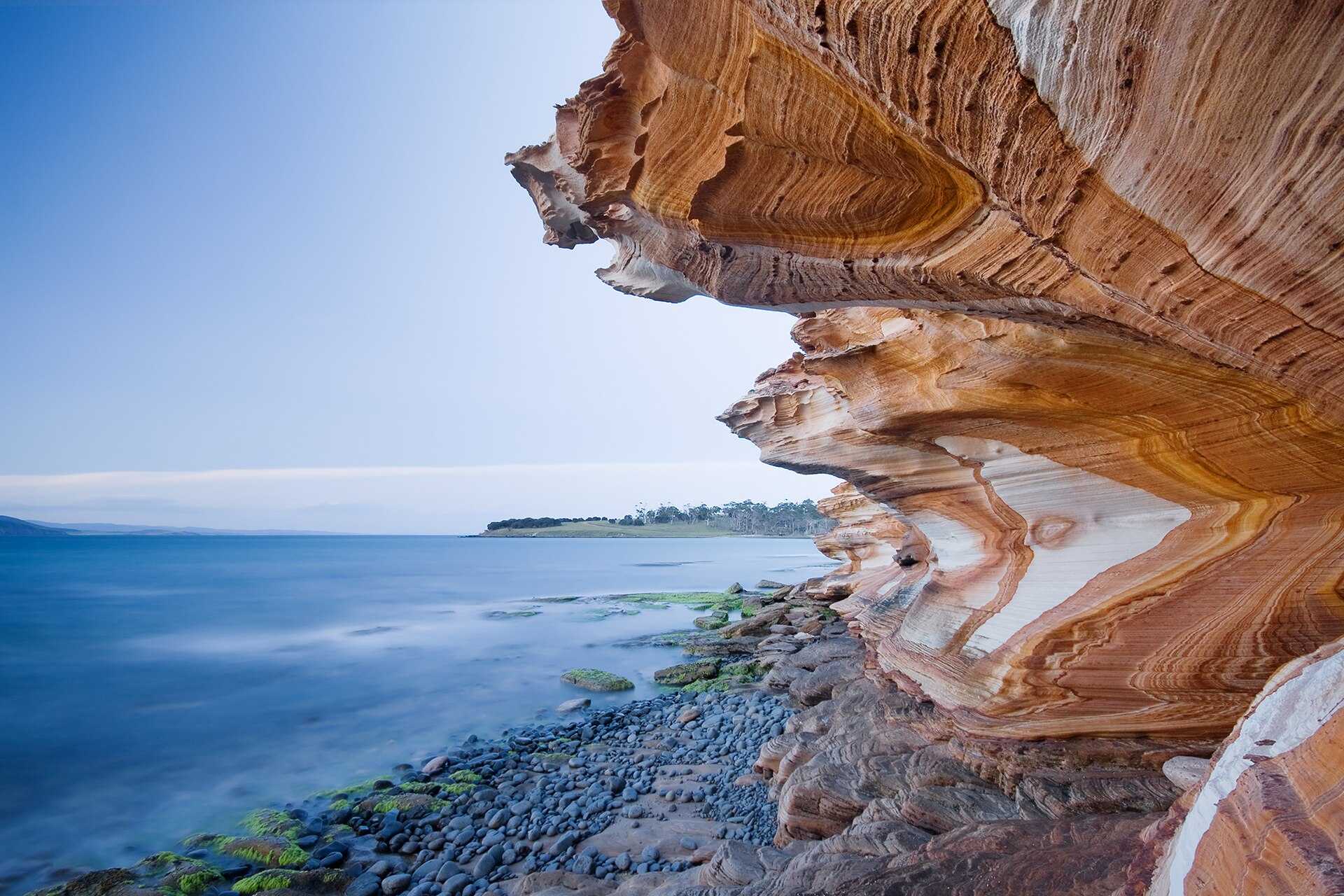
Real vehicles you can book
Tap a vehicle to see its photos, floorplan and live prices for your dates.
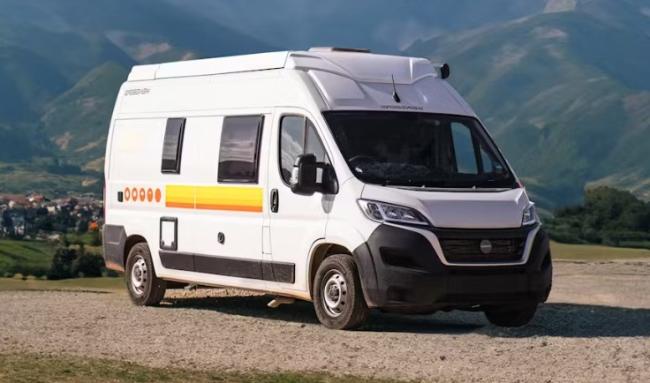
Indie Campers · Campervan · sleeps 2
Active Bunk
Best for: Couples
Check dates & prices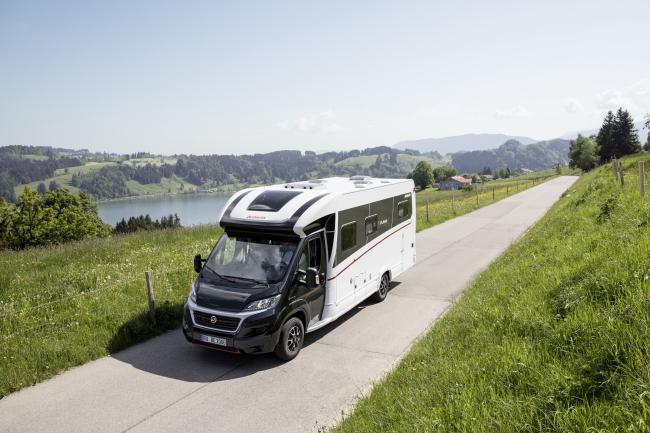
McRent Ireland · Campervan · sleeps 2
Comfort Plus
Best for: Couples
Check dates & prices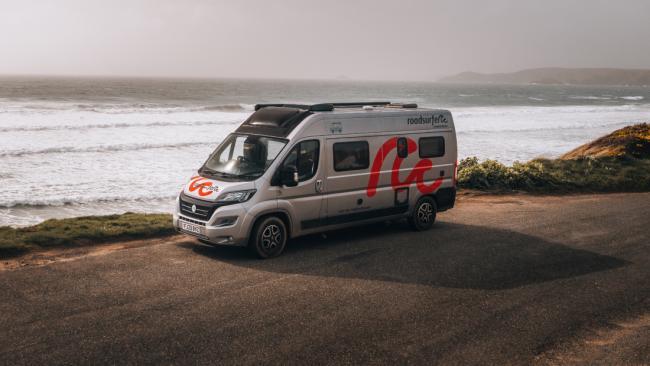
roadsurfer · Campervan · sleeps 2
Couple Cottage
Best for: Couples
Check dates & prices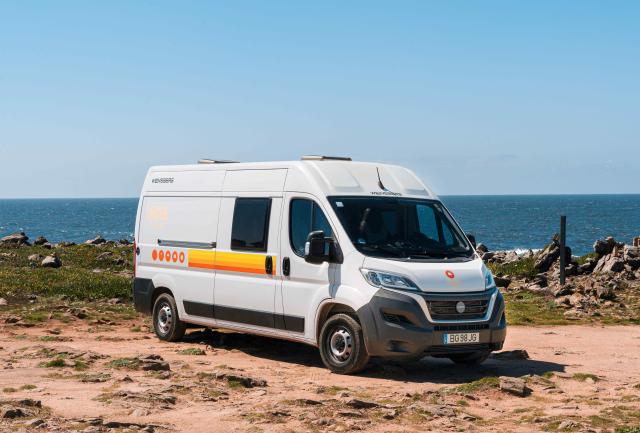
Indie Campers · Campervan · sleeps 2
Active Bunk Select
Best for: Couples
Check dates & prices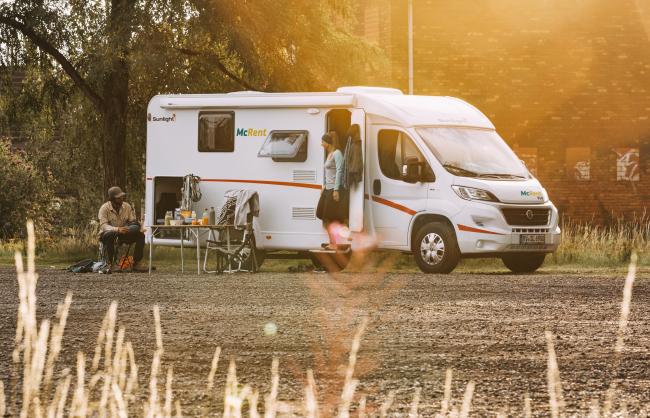
McRent Ireland · Campervan · sleeps 2
Compact Plus
Best for: Couples
Check dates & prices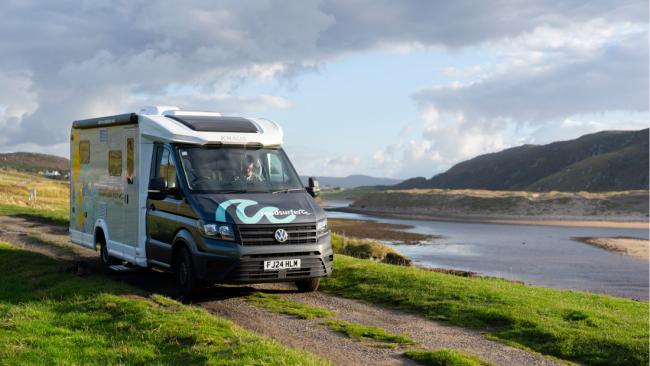
roadsurfer · Campervan · sleeps 2
Cozy Cottage
Best for: Couples
Check dates & pricesRental companies in Ireland
We only list established fleets with their own vehicles. No peer-to-peer rentals and no paid rankings.

Indie Campers
Compact campervans and modern van conversions, good for narrow rural roads. Close to Dublin transport links.
View fleet & profile →
McRent Ireland
A major European motorhome specialist with a fleet of high-spec Dethleffs and Sunlight coachbuilts and panel vans.
View fleet & profile →

roadsurfer
Colourful, compact campervans and urban pop-tops, built for easy driving and outdoor touring.
View fleet & profile →
Where to pick up your campervan
Dublin & the East Coast
Ireland's main gateway for international arrivals, with easy access to the Wicklow Mountains and Boyne Valley.
The South & Munster
Your starting point for the Ring of Kerry, Beara Peninsula and the southern Atlantic coast.
The West & Connemara
Gateway to the Wild Atlantic Way, the Burren and limestone mountain passes.
Ireland campervan map: pickups and highlights
Dark blue dots are pickup locations. Tap any other dot to see the nearest pickup and a rough drive time.
Ireland pickup city guides
More European guides: Albania · Austria · Belgium · Bosnia · Bulgaria · Croatia · Czech Republic · Denmark · Estonia · Finland · France · Germany · Greece · Hungary · Iceland · Italy · Latvia · Liechtenstein · Lithuania · Luxembourg · Macedonia · Monaco · Montenegro · Netherlands · Norway · Poland · Portugal · Romania · Serbia · Slovakia · Slovenia · Spain · Sweden · Switzerland
Top tip
Most Dublin campervan depots sit near the airport or M50 junctions, not the city centre. If you're flying in, check whether your supplier offers a free depot transfer. Otherwise you'll likely need a taxi or bus to reach collection yards in Finglas or Ballycoolin.
Trip cost calculator: fuel and campsites
Pick one of the road trips below or type your own distance to estimate fuel and overnight costs in EUR.
- Plan for (+20% detours)
- 816 km
- Fuel (106 litres)
- €189
- Campsites
- €270
- Fuel + campsites
- €459
Road fees: Most motorway tolls cost €2.10 to €3.70 per plaza, including the barrier-free M50 electronic toll.
Diesel usually runs €1.70 to €1.85 per litre, more at motorway service plazas. Estimates only; rental price, insurance and any mileage charges are shown in your quote.
Why explore Ireland by motorhome?
Ireland suits campervan touring well, thanks to its small scale and sheer density of scenery. A few hours' drive takes you from farmland to ocean headlands, mountain passes and ancient monastic ruins. A campervan lets you chase clear skies along the coast, from Dingle to Connemara to Beara, as the Atlantic weather changes. Your kitchen, dry clothes and bed travel with you, so there's no packing and unpacking between hotels. Spend evenings at beachside campsites, then head to a village pub for traditional music. Routes like the Wild Atlantic Way and the Causeway Coastal Route let you wake up beside sea loughs, quiet coves and windswept moorland that package tours rarely reach.
Which vehicle suits your group?
Pop-top Campervan — Couples or solo travellers who want easy driving on narrow coastal lanes
- Built on compact chassis like the VW Transporter or Ford Transit Custom
- Easy to manoeuvre and park in village streets and beach car parks
- Rising roof bed, gas hob and compact 12V fridge
- Usually no internal shower or fixed cassette toilet
High-top Campervan (Van Conversion) — Couples or two friends who want a compact, fully self-contained van
- Long-wheelbase vans like the Fiat Ducato, with standing height throughout
- Compact wetroom with a cassette toilet and hot shower
- Kitchenette and fixed rear double or twin beds
- Narrow enough for rural lanes, without the bulk of a coachbuilt motorhome
Semi-integrated (Low-profile) Motorhome — Small families or couples who want more living space and storage
- Aerodynamic coachbuilt body on a standard commercial cab
- Permanent rear beds plus an electric drop-down bed over the lounge
- Large rear garage for bikes, hiking gear and outdoor chairs
- Bigger water tanks and washroom for comfortable off-grid nights
Alcove (Overcab) Motorhome — Larger families or groups of up to six who need separate sleeping zones
- Double bunk or double bed pod above the driving cabin
- Central dinette that converts easily to extra sleeping berths
- Maximum living space and storage, but watch clearance under trees and bridges
- Higher wind resistance and weight, so drive steady in Atlantic gusts
Best time to travel and weather
Spring (March to May)
- Fewer tourists on rural routes and longer daylight hours heading into May
- Campsites reopen gradually around Easter on the west and south coasts
- Brisk temperatures of 8°C to 15°C, with frequent, fast-moving rain showers
Summer (June to August)
- Daylight stretches past 22:00 in midsummer, good for evening walks
- Busiest traffic on popular routes like the Ring of Kerry and Dingle Peninsula
- Book coastal campsites well ahead
Autumn (September to October)
- Quieter roads, golden landscapes and quiet heritage sites
- Sea temperatures stay warm enough for surfing along the Sligo and Clare coasts
- Many seasonal campsites close by late September or mid-October
Winter (November to February)
- Short days and Atlantic storms bring heavy rain and high winds
- Most coastal campsites close for winter, so plan ahead for open sites
- Quiet sights, empty roads and open fires in village pubs
Classic Ireland road trips
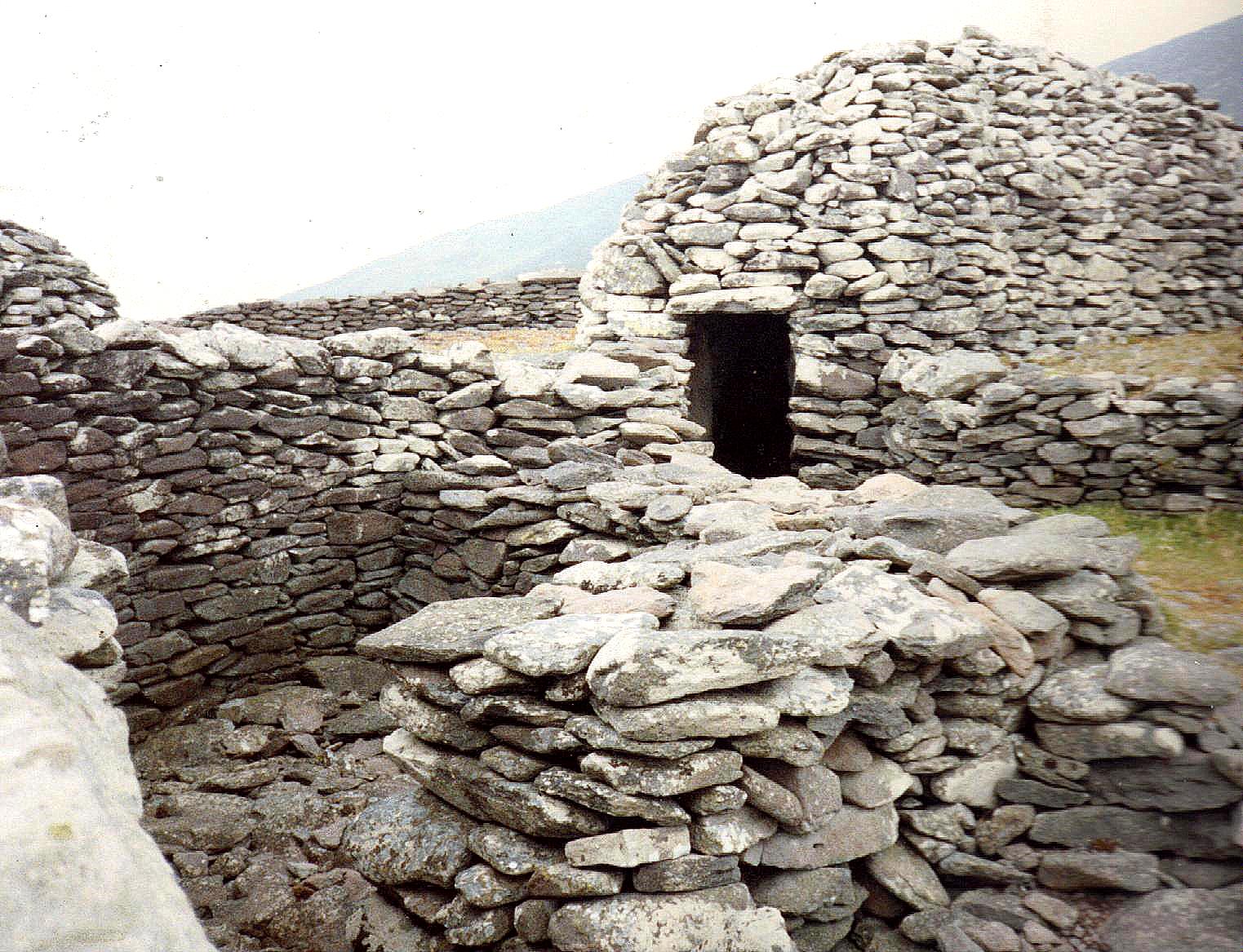
Drive from Cork along the peninsulas of Kerry and West Cork, taking in Atlantic seascapes and mountain passes.
Day 1: Cork to Kinsale and Baltimore
Driving: 2h15See: Explore Kinsale harbour, the Old Head viewpoint and the village of Baltimore.
Overnight: The Meadow Camping Park, Glandore
Day 2: Baltimore to the Beara Peninsula
Driving: 2h45See: Cross the Caha Pass and follow the quiet roads of the Beara Peninsula.
Overnight: Eagle Point Camping, Ballylickey, Bantry
Day 3: Beara to Kenmare and Killarney National Park
Driving: 2h00See: Descend through Kenmare, stop at Moll's Gap, and take in the view at Ladies View over the Lakes of Killarney.
Overnight: Fossa Caravan & Camping Park, Killarney
Day 4: Ring of Kerry to Portmagee
Driving: 2h30See: Drive the Skellig Ring, taking in the Kerry Cliffs with views out to Skellig Michael.
Overnight: Mannix Point Caravan and Camping Park, Cahersiveen
Day 5: Cahersiveen to Dingle Town
Driving: 2h10See: Cross Inch Beach sandspit before arriving in Dingle, known for its music pubs.
Overnight: Anchor Caravan & Camping Park, Castlegregory
Day 6: Slea Head Loop and Conor Pass
Driving: 2h00See: Drive the Slea Head loop and tackle the high Conor Pass (small vans only).
Overnight: Campail Teach an Aragail, Ballydavid
Day 7: Dingle to Limerick
Driving: 2h15See: Follow Tralee Bay east and explore Adare before finishing in Limerick.
Overnight: Curraghchase Caravan & Camping Park, Kilcornan
Must-see
- Slea Head coastal drive, looking out to the Blasket Islands
- Sheer drops and ocean views from the Kerry Cliffs
- Moll's Gap and Ladies View in Killarney National Park
- The colourful harbour and seafood eateries of Kinsale
Free stops
- Inch Beach strand walk on the Dingle Peninsula
- Torc Waterfall car park trail in Killarney National Park
- Gougane Barra forest park and lake chapel grounds
Before you go
- Drive the Ring of Kerry anticlockwise to avoid meeting tour coaches head-on on narrow sections.
- The Conor Pass has strict width and length limits. Larger coachbuilts must divert via Camp village.
- Pack warm, windproof layers even in midsummer. Atlantic headlands get sudden squalls.
Where to stay overnight
- Wild camping isn't a public right in Ireland. Almost all land is privately owned or state-managed, so you need the landowner's permission.
- Wild camping and overnight parking are banned inside Ireland's National Parks, including Killarney, Connemara and Wicklow Mountains.
- Motorhome service stops and aires, often called 'Safe Nights' or Aire de Service, are growing in number at harbours, community centres and rural marinas.
- Fáilte Ireland-accredited holiday parks and campsites offer mains hook-up, fresh water, cassette disposal and grey water drive-over drains.
- In peak season (June to August) and bank holiday weekends, coastal campsites in Kerry, Clare and Galway book out weeks ahead.
- Apps like Park4night, Campercontact and the Camping Ireland directory help you find verified waste disposal points and overnight halts.
- Only empty grey water and chemical toilets at designated disposal facilities, never into drains or open ground.
Driving rules and road quirks
- Drive on the left and overtake on the right.
- Speed limits are in km/h. For motorhomes under 3.5 tonnes: 120 km/h on motorways, 100 km/h on national roads, 80 km/h on regional/local roads and 50 km/h in built-up areas.
- Over 3.5 tonnes GVW, the limit drops to 80 km/h on open roads and 90 km/h on motorways.
- Dublin's M50 orbital motorway uses a barrier-free electronic toll (eFlow). If you're not registered, pay online or at a Payzone outlet by 20:00 the next day.
- Other motorway tolls, like the M1, M4, M7/M8 and Limerick Tunnel, have physical toll plazas that take contactless card and cash.
- Rural roads, known as boreens, are often narrow with overgrown hedgerows. Slow down, reverse into passing bays, and fold in your wing mirrors when you meet farm traffic.
- Winter tyres aren't mandatory in Ireland and you'll rarely need snow chains thanks to the mild climate. Watch for icy patches on mountain passes in winter.
- A standard category B car licence covers motorhomes up to 3,500 kg MAM.
- The legal blood alcohol limit is 0.5 g/l for standard drivers and 0.2 g/l for novice and professional drivers. Police run regular roadside breath tests (RBT).
Typical Campervan Travel Costs in Ireland
Ireland is a higher-cost destination by European standards. Budget carefully for fuel, camping fees, and tolls.
| Campsite pitch (2 adults, electric hook-up) | roughly €28 to €42 per night |
|---|---|
| Dedicated overnight Aire / Safe Night halt | roughly €10 to €20 per night |
| Diesel fuel | typically €1.70 to €1.85 per litre |
| M50 electronic toll (unregistered car/van) | roughly €3.70 per passage |
| Standard barrier motorway toll | roughly €2.10 to €3.50 per plaza |
| Shannon Ferry crossing (car/campervan) | roughly €23 to €26 single |
Cross-Border Driving and Ferry Connections
Driving between the Republic of Ireland and Northern Ireland is easy, but a few things change.
- There are no border checkpoints between the Republic of Ireland and Northern Ireland. Crossing is easy, but road signs switch instantly from kilometres to miles per hour.
- Currency changes from Euros (€) in the Republic to British Pounds (£) in Northern Ireland, so bring the right cards or cash.
- Check with your rental supplier whether Northern Ireland travel is included in your insurance or costs a small cross-border fee.
- The Tarbert to Killimer car ferry crosses the Shannon Estuary, saving a 135 km detour through Limerick between Kerry and County Clare.
- Regular vehicle ferries run from Holyhead and Pembroke in the UK to Dublin and Rosslare, so you can drive over from Britain.
Day 1: first-timer checklist
- Check the vehicle inside and out with depot staff, and note any scratches, stone chips or marks on the collection condition report.
- Ask staff to show you how to empty the cassette toilet, fill the fresh water tank, and find the grey water release valve.
- Test the heating system, gas bottle connections, and leisure battery isolator switches.
- Check which fuel your vehicle takes, almost all rental campervans in Ireland run on standard diesel, and find the AdBlue tank if fitted.
- Learn your vehicle's height and width. You'll usually find these on a sticker on the dashboard.
- Pull out of the depot carefully onto the left-hand side of the road, and give yourself time to get used to the wider mirrors and blind spots.
- Stop at a supermarket near the depot, such as Dunnes Stores, SuperValu, Tesco, or Lidl, to stock up on essentials, bottled water, and basic cooking staples.
- Keep your first drive short, 60 to 90 minutes is plenty, so you can settle into your first campsite before dusk.
Must-do and must-try in Ireland
Must-do Touring Highlights
- Drive the high shelf of the Conor Pass on the Dingle Peninsula for views across Brandon Bay
- Walk the cliff path at the Cliffs of Moher in the morning before the tour coaches arrive
- Follow the Black Head coastal drive through the Burren's bare limestone landscape
- Catch a session of fiddle, tin whistle, and bodhrán in village pubs in Doolin or Dingle
- Stand at Dunmore Head, the westernmost point of the Irish mainland, on the Slea Head Drive
Must-try Irish Food & Drink
- Atlantic seafood chowder with warm homemade brown soda bread and salted Irish butter
- Steamed mussels fresh from Killary Harbour or Bantry Bay
- A cooked Irish breakfast with white pudding, black pudding, rashers, and local sausages
- A pint of creamy stout or craft red ale in a heritage pub
- Irish stew slow-cooked with local lamb, root vegetables, and pearl barley
Practical Campervan Hacks for Ireland
- Keep a 50-cent and 1-euro coin handy, many campsite showers run on token or coin meters
- Bring a small spirit level or levelling ramps for sloping coastal grass pitches
- Close roof vents and secure loose awnings whenever you leave the van, Atlantic squalls can blow in fast
- Download offline maps on Google Maps or maps.me, mobile signal can drop out in deep mountain valleys
- Take the Shannon Ferry between Killimer and Tarbert to cut driving time between Kerry and Clare
Local apps and emergency numbers
- Emergency number: dial 112 or 999 for Police (Gardaí), Ambulance, Fire Brigade, or Coast Guard.
- Handy apps: Park4night, Campercontact, Camping Ireland, and eFlow for M50 tolls.
- Bring a UK/Ireland 3-pin fused adapter plug and a blue European CEE 3-pin hook-up cable for campsite power.
- Weather app: Met Éireann tracks incoming Atlantic rain bands.
- Pack waterproof jackets, sturdy walking shoes, and windproof layers year-round, whatever the forecast says.
- Carry a physical chip-and-PIN credit card. Unattended fuel pumps and motorway tolls often reject non-EU digital wallets.
- Roadside assistance: save your rental depot's 24-hour breakdown number in your phone before you set off.
Official live links
- Tourism Ireland — Official tourism site with regional travel ideas and inspiration.
- Road Safety Authority (RSA) — Official road rules, licensing guidelines, and speed limits for Ireland.
- eFlow Tolls — Official payment site for the barrier-free M50 toll around Dublin.
- Camping Ireland — Official Irish Caravan & Camping Council directory of inspected, rated holiday parks.
- Met Éireann — National weather service with real-time forecasts, rain radar, and storm warnings.
Ireland campervan FAQs
Is wild camping legal with a campervan in Ireland?
No. Wild camping isn't a legal right in the Republic of Ireland. Land is either privately owned or state-managed, so you need the landowner's permission. Camping in vehicles is banned in all National Parks. Stick to registered campsites or designated overnight motorhome parking.
How do I pay tolls, especially the barrier-free M50 toll in Dublin?
Most Irish motorway tolls (the M1, M4, M7/M8) have toll plazas where you pay by card or cash. The M50 around Dublin is different: it's barrier-free with an overhead electronic gantry. If your vehicle isn't registered, pay online at eFlow.ie or at any Payzone outlet by 20:00 the day after your trip.
Can I drive a campervan on narrow Irish country roads?
Yes, but take it slowly and carefully. Rural roads, often called boreens, are frequently single-track with tall hedgerows, blind bends, and stone walls. Drive slowly, watch for oncoming traffic, and be ready to stop at passing bays for tractors, coaches, and local cars.
What driving licence do I need to rent a campervan in Ireland?
A standard category B car licence, held for at least one to two years, covers any campervan or motorhome up to 3,500 kg MAM, which is most rental fleets. If your licence isn't in English or the Latin alphabet, bring an International Driving Permit (IDP) too.
Can I take my rental campervan into Northern Ireland?
Yes, most rental suppliers allow travel into Northern Ireland. Tell your provider at booking or pickup, as a small cross-border insurance fee may apply. Speed limits in Northern Ireland are in mph and the currency is the British Pound (£).
What's the best time of year to tour Ireland in a campervan?
May, June, and September are usually best. You get long daylight hours, good weather, and quieter roads on routes like the Ring of Kerry. July and August are warm and lively, but book coastal campsites well ahead.
Do I need to book campsites in advance in Ireland?
In July, August, and Irish bank holiday weekends, book coastal campsites in Kerry, West Cork, Clare, and Galway ahead, they fill up fast. In shoulder seasons (April to May, September to October) you'll find pitches easily at short notice.
Which side of the road do people drive on in Ireland?
You drive on the left in both the Republic of Ireland and Northern Ireland. If you're used to driving on the right, take extra care at roundabouts, junctions, and pulling out of campsite driveways.
How does the Price Beat Guarantee work?
Find a lower price and we'll beat it. The quote must be for the same vehicle from the same supplier, with identical depots, dates and times, matching inclusions, mileage and excess options, and be live and verifiable before you book. Conditions apply — see our terms.