Real vehicles you can book
Tap a vehicle to see its photos, floorplan and live prices for your dates.
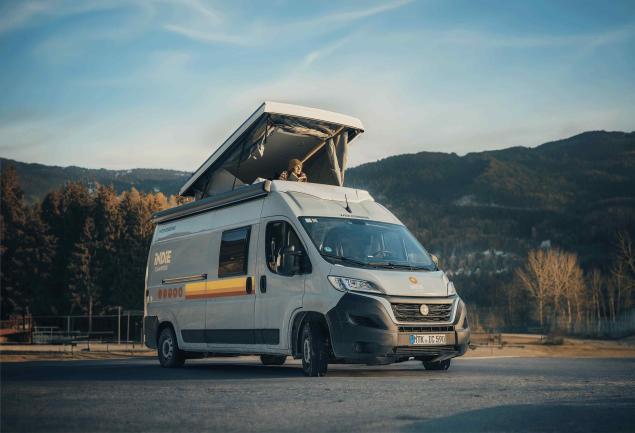
Indie Campers · Campervan · sleeps 2
Active Pop Top Manual
Best for: Couples
Check dates & prices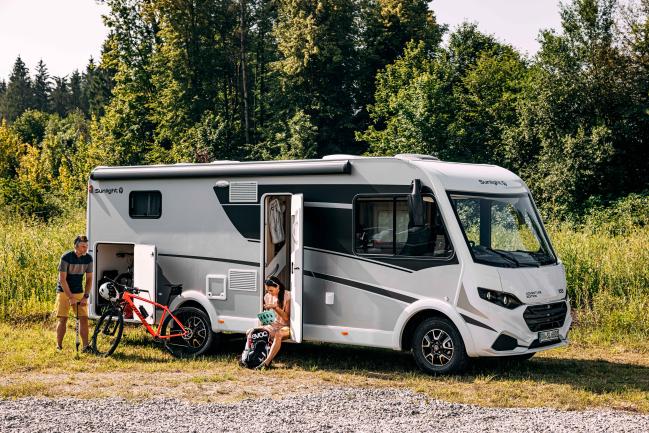
McRent Poland · Campervan · sleeps 2
Comfort Luxury
Best for: Couples
Check dates & prices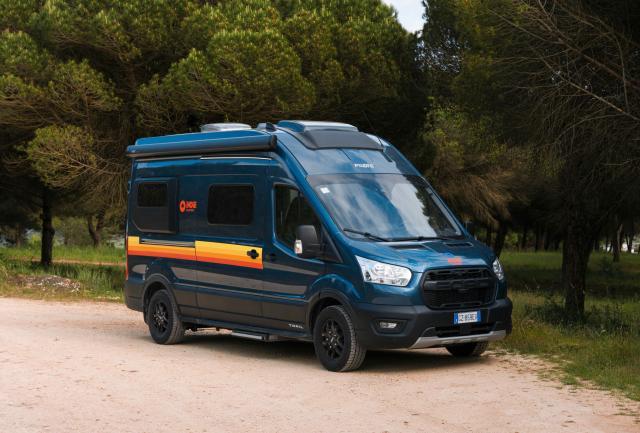
Indie Campers · Campervan · sleeps 2
Active Standard 2 Manual Select
Best for: Couples
Check dates & prices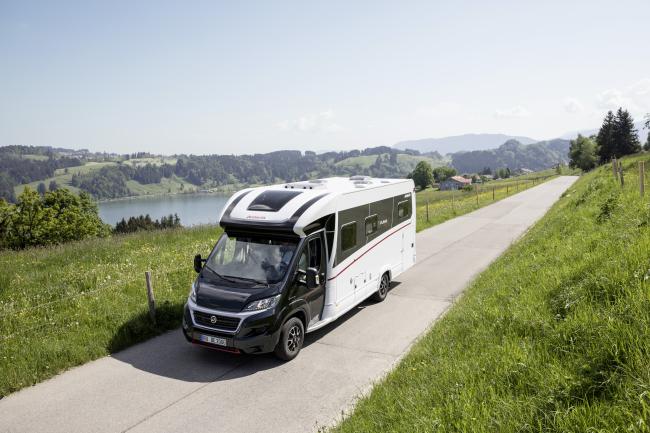
McRent Poland · Campervan · sleeps 2
Comfort Plus
Best for: Couples
Check dates & prices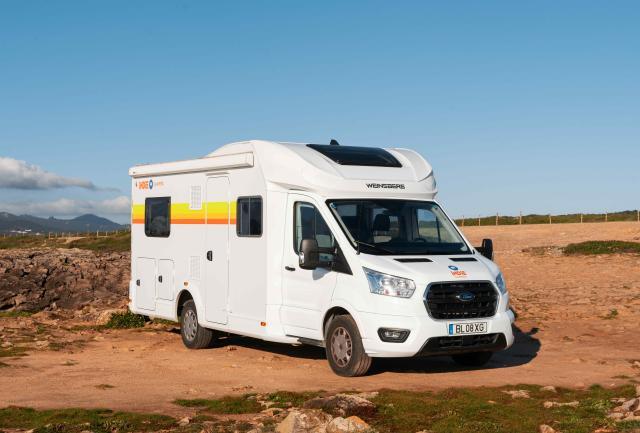
Indie Campers · Campervan · sleeps 2
Comfort Standard Auto Select
Best for: Couples
Check dates & prices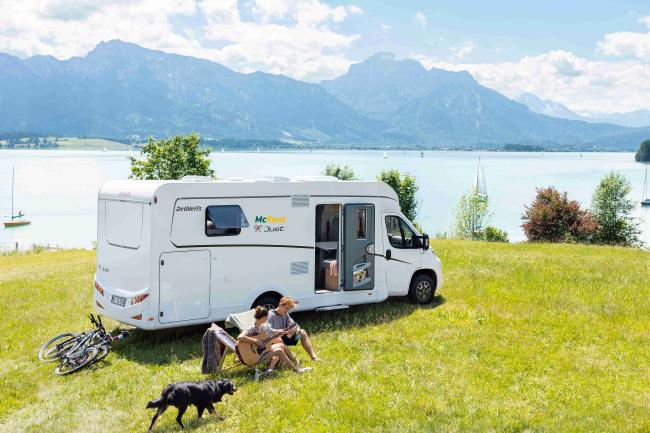
McRent Poland · Campervan · sleeps 2
Comfort Standard
Best for: Couples
Check dates & pricesRental companies in Poland
We only list established fleets with their own vehicles. No peer-to-peer rentals and no paid rankings.

Indie Campers
Runs fleets from compact two-berth campervans to fully equipped family motorhomes, with flexible booking near major transit hubs.
View fleet & profile →
McRent Poland
Europe's largest motorhome rental specialist. Modern, well-maintained coachbuilt and low-profile motorhomes, with a thorough handover.
View fleet & profile →
Where to pick up your campervan
Pomerania and the North
Your route into Baltic beach resorts, shifting coastal dunes and the Hanseatic port heritage of the Tri-City.
Lesser Poland and Silesia
Alpine peaks, limestone gorges and grand old architecture along the southern touring route.
Mazovia and Central Poland
Flat lowlands around the capital, linking eastern ancient forests with the main transit routes.
Greater Poland and the Western Borderlands
Lake plateaus, historic ducal towns and motorways running straight towards Germany.
Poland campervan map: pickups and highlights
Dark blue dots are pickup locations. Tap any other dot to see the nearest pickup and a rough drive time.
Poland pickup city guides
More European guides: Albania · Austria · Belgium · Bosnia · Bulgaria · Croatia · Czech Republic · Denmark · Estonia · Finland · France · Germany · Greece · Hungary · Iceland · Ireland · Italy · Latvia · Liechtenstein · Lithuania · Luxembourg · Macedonia · Monaco · Montenegro · Netherlands · Norway · Portugal · Romania · Serbia · Slovakia · Slovenia · Spain · Sweden · Switzerland
Top tip
Depots in Warsaw, Krakow and Gdansk usually sit near the airport or outer ring road. Arrange your airport transfer with the rental firm in advance, and pick up your van with enough daylight left to check the heating and thermal equipment properly.
Trip cost calculator: fuel and campsites
Pick one of the road trips below or type your own distance to estimate fuel and overnight costs in PLN.
- Plan for (+20% detours)
- 504 km
- Fuel (66 litres)
- PLN 436
- Campsites
- PLN 1,000
- Fuel + campsites
- PLN 1,436
Road fees: Most expressways are free for vehicles under 3.5t. Sections of the A1, A2 and A4 charge tolls, usually 20 to 50 PLN per sector.
Diesel is easy to find at 24-hour service stations. Prices are slightly higher on motorways than in towns. Estimates only; rental price, insurance and any mileage charges are shown in your quote.
Why choose Poland for a motorhome holiday?
Poland is one of Central Europe's best value touring destinations. Toll-efficient expressways now link well-kept commercial campsites and municipal motorhome stopovers (kamper-parki). The Great Masurian Lakes offer hundreds of waterside pitches, Bialowieza Forest shelters wild European bison, and southern parks like the Tatras and Pieniny give you proper alpine hiking. Expect warm welcomes, hearty food and well-preserved old towns from Gdansk to Krakow. Camping and eating out cost much less than in Western Europe, so your money goes further on forest pitches, Baltic beaches and quiet country roads.
Which vehicle suits your group?
Compact Campervan — Couples and solo road-trippers
- Built on standard van chassis like the Fiat Ducato or VW Transporter, so it's easy to handle narrow old town streets.
- Twin-burner gas hob, compact sink, and a rock-and-roll bed or pop-top roof.
- Uses less fuel on the motorways and still counts as a standard car for tolls.
Low-Profile Motorhome (Semi-Integrated) — Couples seeking luxury or small families
- Aerodynamic cab, fixed rear double or twin single beds, plus a drop-down bed in the ceiling.
- Separate bathroom with cassette toilet and shower, with its own fresh and waste water tanks.
- Big rear garage for outdoor furniture, hiking gear and bikes.
Overcab Coachbuilt Motorhome — Families and groups of up to six
- Sleeping space over the cab, so you get permanent beds without losing living area.
- Roomy central dinette that seats the whole family for meals and downtime.
- Plenty of storage, but watch the vehicle height near low bridges and tree-lined roads.
Campervan with Winter Pack — Year-round explorers and alpine hikers
- Upgraded Truma or Webasto blown-air heating, running on LPG or diesel.
- Insulated, electrically heated waste pipes to stop freezing on autumn and winter mountain trips.
- Thermal windscreen covers and two gas bottle compartments so heating never cuts out.
Best time to travel and weather
Spring (April to May)
- Mild days between 12°C and 18°C, good for city sightseeing and hiking.
- Campsites start opening by late April, and mountain areas are quiet.
- Weather can be patchy, with showers, and mountain passes can still hold snow into early May.
Summer (June to August)
- Warm, sunny days from 24°C to 30°C, good for coastal camping and swimming in the Masurian Lakes.
- Peak season for Polish holidaymakers, so book campsites ahead on the Baltic coast and near Zakopane.
- Long daylight past 21:00, with the odd humid afternoon thunderstorm.
Autumn (September to October)
- Golden Polish Autumn (Zlota Polska Jesien): great foliage across the southern beech forests.
- Crisp, clear days between 10°C and 17°C, though nights drop towards freezing by late October.
- Quieter roads and national parks, but some lakeside campsites shut by mid-October.
Winter (November to March)
- Cold, with frost and snow across the southern highlands and east.
- You'll need a winterised motorhome with winter tyres, snow chains, and careful use of the gas heating.
- Most campsites close, but some mountain sites near ski resorts stay open year-round.
Classic Poland road trips
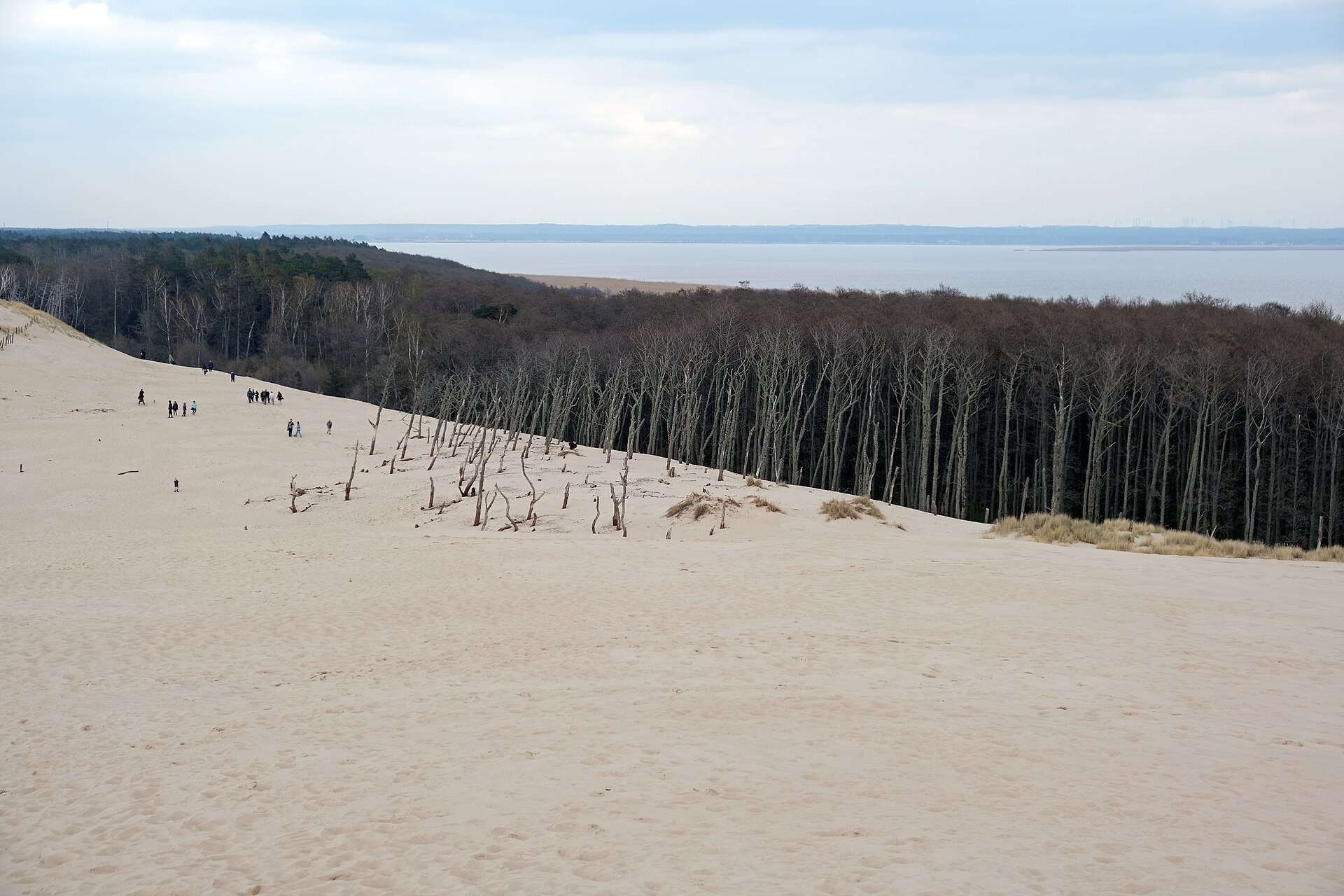
Follow Poland's north coast from the old shipyards of Gdansk, past desert-like dunes, pine forest and clifftop lighthouses.
Day 1: Gdansk to Hel Peninsula
Driving: 2h 15mSee: Walk the restored Royal Way in Gdansk, then drive north along the narrow, sandy Hel Peninsula.
Overnight: Camping Maszoperia, Jastarnia
Day 2: Hel to Łeba
Driving: 1h 45mSee: Visit the seal sanctuary at Hel, then head west to the fishing port and resort town of Łeba.
Overnight: Camping Ambre No. 41, Łeba
Day 3: Słowiński National Park Exploration
Driving: 0h 30mSee: Hire bikes or walk across the huge shifting dunes of Wydma Łącka, with Lake Łebsko on one side and the Baltic on the other.
Overnight: Camping Morskie, Łeba
Day 4: Łeba to Ustka via Kluki
Driving: 1h 50mSee: See the traditional peat-roofed timber houses at the open-air museum in Kluki, then carry on to the seaside spa town of Ustka.
Overnight: Camping Zacisze No. 101, Ustka
Day 5: Ustka to Malbork
Driving: 2h 30mSee: Head inland through Pomerania to Malbork Castle, the world's largest brick fortress, built by the Teutonic Knights.
Overnight: Camping Nad Nogatem No. 197, Malbork
Must-see
- Wydma Łącka's shifting desert dunes in Słowiński National Park
- The gothic red-brick towers of Malbork Castle
- Rozewie lighthouse, Poland's northernmost mainland point
- The maritime Old Town and crane (Żuraw) of Gdansk
Free stops
- Jastrzębia Góra scenic coastal cliff-edge walking path
- Nature trail to Czołpino lighthouse through coastal pine forest
- Public beaches and promenades of the Hel sandbar
Before you go
- Park your motorhome in Łeba's outer car parks, then cycle or take an electric golf cart into the dunes.
- The narrow Road 216 along the Hel Peninsula gets jammed on sunny summer weekends, so travel early morning.
- Coastal winds can be strong, so secure your awning with heavy-duty storm straps and ground pegs.
Where to stay overnight
- Wild camping is generally banned in open countryside and national parks. You must stay on designated plots or authorised private land.
- The State Forests agency (Lasy Państwowe) runs 'Zanocuj w lesie' (Spend the Night in the Forest), with hundreds of designated forest spots for basic overnight stays.
- Official campsites are rated by the Polish Camping and Caravanning Federation (PFCC), with reliable electric hookups, showers and chemical disposal points.
- A growing network of municipal and private motorhome stopovers, 'kamper-parki', offers secure hardstanding pitches and service points at low rates.
- Park4Night and the Polish site CampRest are reliable for finding farm stays, service stations and motorhome pitches across Poland.
- Most commercial sites run May to September. Travelling in late autumn or winter? Check opening times directly first.
- Sort your waste into the right recycling bins on campsites. Poland enforces waste separation rules strictly.
Driving rules and road quirks
- Drive on the right and overtake on the left. Dipped headlights or daytime running lights are compulsory 24 hours a day, all year round.
- The legal blood alcohol limit is 0.2 mg/ml (0.2‰). Go over this and you're committing a criminal offence with severe penalties.
- Speed limits for motorhomes up to 3.5 tonnes GVW: 50 km/h in built-up areas, 90 km/h on rural single carriageways, 100 km/h on dual carriageways outside towns, 120 km/h on expressways (S roads), and 140 km/h on motorways (A roads).
- Over 3.5 tonnes GVW, the limits drop: 50 km/h in built-up areas, 70 km/h outside them, and 80 km/h on expressways and motorways.
- Motorways use different tolling methods. Sections of the A1, A2 and A4 have standard toll barrier plazas. State-managed sections need the e-TOLL digital app or an electronic ticket.
- If your motorhome is over 3.5 tonnes GVW, you must register with the national e-TOLL system and carry an activated onboard unit or smartphone tracker.
- Clean Transport Zones (Strefa Czystego Transportu - SCT) are rolling out in city centres, starting with Warsaw in July 2024. Check your vehicle's Euro emissions standard before driving into town.
- Winter tyres aren't compulsory, but they're a good idea between November and April. Carry snow chains and use them where you see the blue circular sign.
- You need a full, valid national driving licence. Non-EU licence holders also need an International Driving Permit (IDP) alongside their photocard licence.
- You must carry a reflective warning triangle and a certified ABC fire extinguisher. Wear a reflective vest if you step onto the carriageway after a breakdown.
Estimated touring costs and currency guidance
Poland uses the Złoty (PLN). Groceries, dining and campsites cost noticeably less than in Western Europe, and card and contactless payments work almost everywhere.
| Campsite pitch (2 adults, electric, high season) | roughly 80–140 PLN per night |
|---|---|
| Kamper-park / basic camper stopover | roughly 40–80 PLN per night |
| Diesel fuel (per litre) | roughly 6.40–6.80 PLN |
| Casual restaurant meal (traditional pierogi dish) | roughly 28–45 PLN per person |
| Coffee and pastry in town square | roughly 18–28 PLN |
| Attraction entry (e.g. Malbork Castle) | roughly 70–85 PLN per adult |
| Motorway toll passage (standard vehicle, single sector) | roughly 20–50 PLN |
Cross-border transit, road safety, and regulations
Poland's fully in the Schengen Area, with open borders to Germany, Czechia, Slovakia and Lithuania. The land borders with Belarus, Russia (Kaliningrad) and Ukraine are external EU borders, so expect strict entry rules and travel warnings.
- You can drive into Germany, Czechia and Slovakia without routine passport stops, though customs and immigration do spot checks now and then.
- Planning a trip into Slovakia or Czechia? Check your rental contract allows cross-border travel first.
- Rural roads can have unpaved verges, horse-drawn farm machinery and unlit cyclists after dark, so take care driving outside towns at night.
- Vehicle theft and break-ins are rare in Poland, but play it safe: use guarded parking lots (parking strzeżony) in big cities.
Day 1: first-timer checklist
- Check the cab for reflective vests, a warning triangle, and a certified ABC fire extinguisher, and make sure none are out of date.
- Walk round the bodywork, windows and roof with your handover agent. Note every existing scratch on the condition sheet.
- Find out if your motorhome's Maximum Authorised Mass (GVW) is under or over 3.5 tonnes. This decides your speed limits, toll rules and bridge restrictions.
- Get a demo of the fresh water inlet, grey water dump valve, cassette toilet removal, and the blown-air heating controls.
- Check whether you've got propane or butane gas bottles, and find out how to switch valves and where the safety cut-off switch is.
- Find your nearest big supermarket (Biedronka, Lidl or Kaufland) for bottled water, food and cleaning supplies.
- Set your first campsite in the sat nav. Keep the first drive under 100 km so you can get used to handling the van.
Must-do and must-try in Poland
Must-Do Outdoor Adventures
- Raft the twisting limestone gorge of the Dunajec River on traditional wooden punts, steered by highland flisacy.
- Walk the moving coastal dunes of Słowiński National Park, where the wind shapes golden ridges up to 30 metres high.
- Canoe the Krutynia River trail through the Masurian Lake District, shaded by trees most of the way.
- Track wild European bison with an accredited naturalist guide through the ancient forest of Białowieża.
- Hike up to Morskie Oko lake in the High Tatras from Palenica Białczańska, ringed by granite peaks.
Authentic Culinary Highlights
- Try hot, freshly grilled Oscypek (smoked salted sheep's milk cheese from the Tatras) with sweet lingonberry jam.
- Eat handmade pierogi filled with curd cheese and potato (ruskie), braised wild mushrooms, or slow-cooked meat.
- Warm up with Żurek, a sour rye soup with white sausage, smoked bacon and hard-boiled egg, often served in a hollowed-out loaf.
- Try Toruń gingerbread (pierniki), baked to centuries-old spiced honey recipes in this medieval Vistula town.
- Grab fresh Baltic fried cod or smoked flounder (ryba wędzona) straight from the smokehouses along the Pomeranian coast.
Architectural and Heritage Wonders
- Tour the tunnels, salt chandeliers and underground chapels of the UNESCO-listed Wieliczka Salt Mine.
- See the red-brick bastions of Malbork Castle, once capital of the medieval Teutonic Order.
- Wander Krakow's Rynek Główny, Europe's largest medieval market square, with the Cloth Hall and St Mary's Basilica.
- Visit the painted timber churches of Southern Lesser Poland, built without nails by local master carpenters.
Local apps and emergency numbers
- Emergency number: dial 112 for police, fire or medical help anywhere in Poland.
- Download the e-TOLL PL app if you're using state-managed toll motorways or driving a vehicle over 3.5t GVW.
- Pack a European 2-pin CEE adapter lead and cable drum. Older Polish campsites mix standard Schuko sockets with industrial blue 3-pin plugs.
- Keep some Polish Złoty coins handy for camper service pillars, public toilets and farm-gate parking fees.
- Keep your passport, vehicle registration certificate (Dowód Rejestracyjny) and insurance green card in the cab at all times.
- Install Park4Night or CampRest for offline access to verified water points and cassette toilet emptying stations.
- Bring a standard garden hose with a universal multi-thread tap adapter. You'll need it to fill up at different campsite hookups.
Official live links
- Poland Tourism Organisation — Official national portal for regional travel advice, trail maps and heritage guides.
- General Directorate for National Roads and Motorways (GDDKiA) — Live road construction updates, traffic conditions and motorway maps.
- e-TOLL Poland — Official government site for electronic motorway tolls and heavy vehicle registration.
- State Forests (Lasy Państwowe) — Maps and details of the 'Zanocuj w lesie' bushcraft and forest camping zones.
- Polish Camping and Caravanning Federation (PFCC) — National database and quality ratings for certified campsites and caravan parks in Poland.
Poland campervan FAQs
Is wild camping legal with a campervan in Poland?
Wild camping on public roads, laybys and beaches is banned. The Polish State Forests do run the 'Zanocuj w lesie' scheme for overnight wilderness camping, but campervans must stick to designated forest car parks (miejsce postoju pojazdów), not off-road tracks.
What driving licence do I need to hire a motorhome in Poland?
Most rental motorhomes in Poland have a Maximum Authorised Mass (GVW) under 3,500 kg, so a standard Category B car licence covers you. You'll usually need to be over 21 (sometimes 25, depending on the supplier) and have held your licence for at least a year.
How do motorway tolls work for campervans in Poland?
Vehicles up to 3.5 tonnes pay tolls on privately run motorways (sections of A1, A2 and A4) at toll plazas or via apps like Autopay. On state-run toll stretches, you need digital e-tickets or the e-TOLL app. Vehicles over 3.5 tonnes must use e-TOLL.
Are campsites in Poland open during the winter months?
Most summer campsites along the Baltic coast and Masurian Lakes only open May to September. Year-round campsites and kamper-parki run near major historic cities and southern mountain resorts like Zakopane and Karpacz.
What are the speed limits for motorhomes in Poland?
Up to 3.5 tonnes: 50 km/h in built-up areas, 90 km/h on rural roads, 100 km/h on dual carriageways, 120 km/h on expressways (S roads), 140 km/h on motorways (A roads). Over 3.5 tonnes: 50 km/h in towns, 70 km/h on rural roads, 80 km/h on expressways and motorways.
Can I take a rented campervan across international borders from Poland?
Yes. Most rental suppliers allow travel into neighbouring EU and Schengen countries like Germany, Czechia, Slovakia and Lithuania, as long as you tell them in advance and pay any cross-border insurance supplement. Driving into Ukraine, Belarus or Russia is strictly banned.
How easy is it to find fresh water and dispose of waste in Poland?
Commercial campsites and kamper-parki have full service stations (stacje serwisowe) for fresh water and emptying grey water and chemical toilets. Some motorway service areas (MOP) on major routes are adding motorhome service points too.
What is the blood alcohol limit for drivers in Poland?
Poland's blood alcohol limit is strict: 0.2 mg/ml (0.02%). Go over it and you face heavy fines, driving bans and possible imprisonment. Safest bet: don't drink at all if you're driving.
How does the Price Beat Guarantee work?
Find a lower price and we'll beat it. The quote must be for the same vehicle from the same supplier, with identical depots, dates and times, matching inclusions, mileage and excess options, and be live and verifiable before you book. Conditions apply — see our terms.